

Key Points
- Cork flooring offers comfort and sound absorption, but has notable drawbacks.
- Scratches, moisture sensitivity, and sunlight fading can affect performance.
- Regular sealing is required to maintain its appearance and protection.
- Consider its suitability for residential, commercial, and gym spaces before choosing cork.
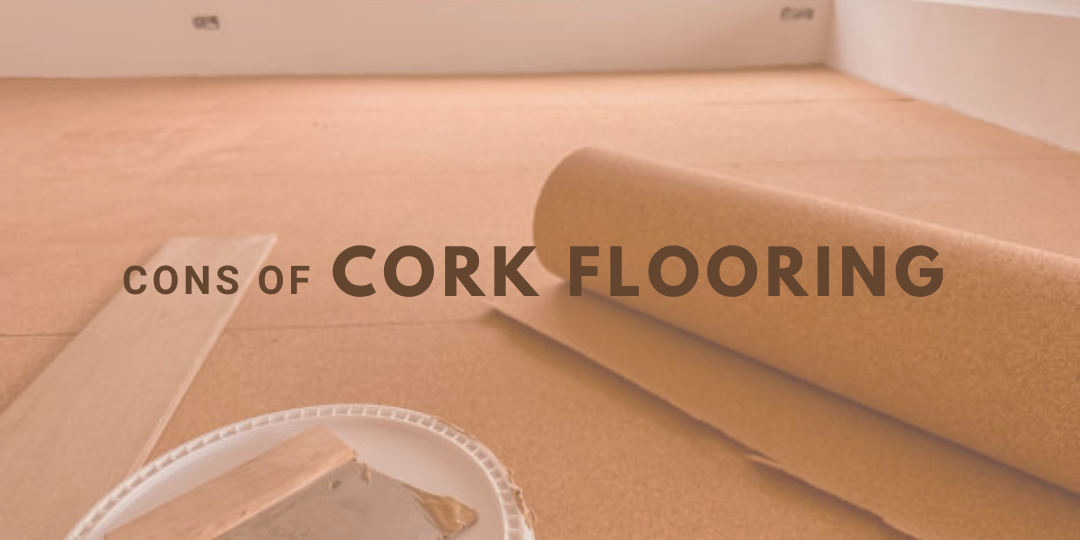
Cork flooring is made from the bark of cork oak trees, offering a soft and warm surface underfoot. Available in tiles, planks, and sheets, it suits various spaces, including homes, offices, and gyms. While its natural insulation and comfort are appealing, there are trade-offs worth considering. But everything that comes with advantages has its drawbacks too. Drawbacks of Cork Flooring are:
1. Vulnerability to Scratches and Dents
Cork’s softness makes it comfortable but also prone to scratches from pet nails, high heels, or moving furniture. Heavy items can leave permanent dents, especially in commercial areas with frequent foot traffic or gyms where equipment is used.
2. Sensitivity to Moisture
Cork is not fully waterproof. In kitchens, bathrooms, or basements, prolonged exposure to water can cause swelling or warping. This limits its use in high-moisture environments unless properly sealed.
3. Sunlight Fading
Direct sunlight can cause cork flooring to fade unevenly over time. Large windows or sunlit areas may require window treatments or rugs to minimize UV damage.
4. Regular Maintenance Requirements
Cork tile needs periodic sealing to protect against stains and moisture. Without proper upkeep, its surface can deteriorate more quickly, leading to additional repair or replacement costs.
Final Thoughts
Cork floor tiles and planks bring comfort and acoustic benefits to residential, commercial, and gym environments. However, understanding its limitations—like susceptibility to moisture, scratches, and fading—is essential for making an informed choice. Proper care and placement in low-moisture areas can help maximize its lifespan.
FAQs
Q) Is Cork Better Than Bamboo Flooring?
A) Cork and bamboo both have eco-friendly qualities, but bamboo is harder and more resistant to scratches and dents. Cork, however, provides superior sound absorption and a softer feel, which may appeal to homeowners or gym owners seeking comfort.
Q) Do Cork Floors Scratch Easily?
A) Yes, cork floors can scratch from sharp objects, pet claws, or dragging furniture. Using felt pads under furniture and maintaining a regular cleaning routine helps minimize surface damage.
Q) How Often to Seal Cork Flooring?
A) Cork flooring should be sealed every 3–5 years, depending on traffic levels and room usage. High-traffic commercial spaces or gyms may require more frequent sealing.