

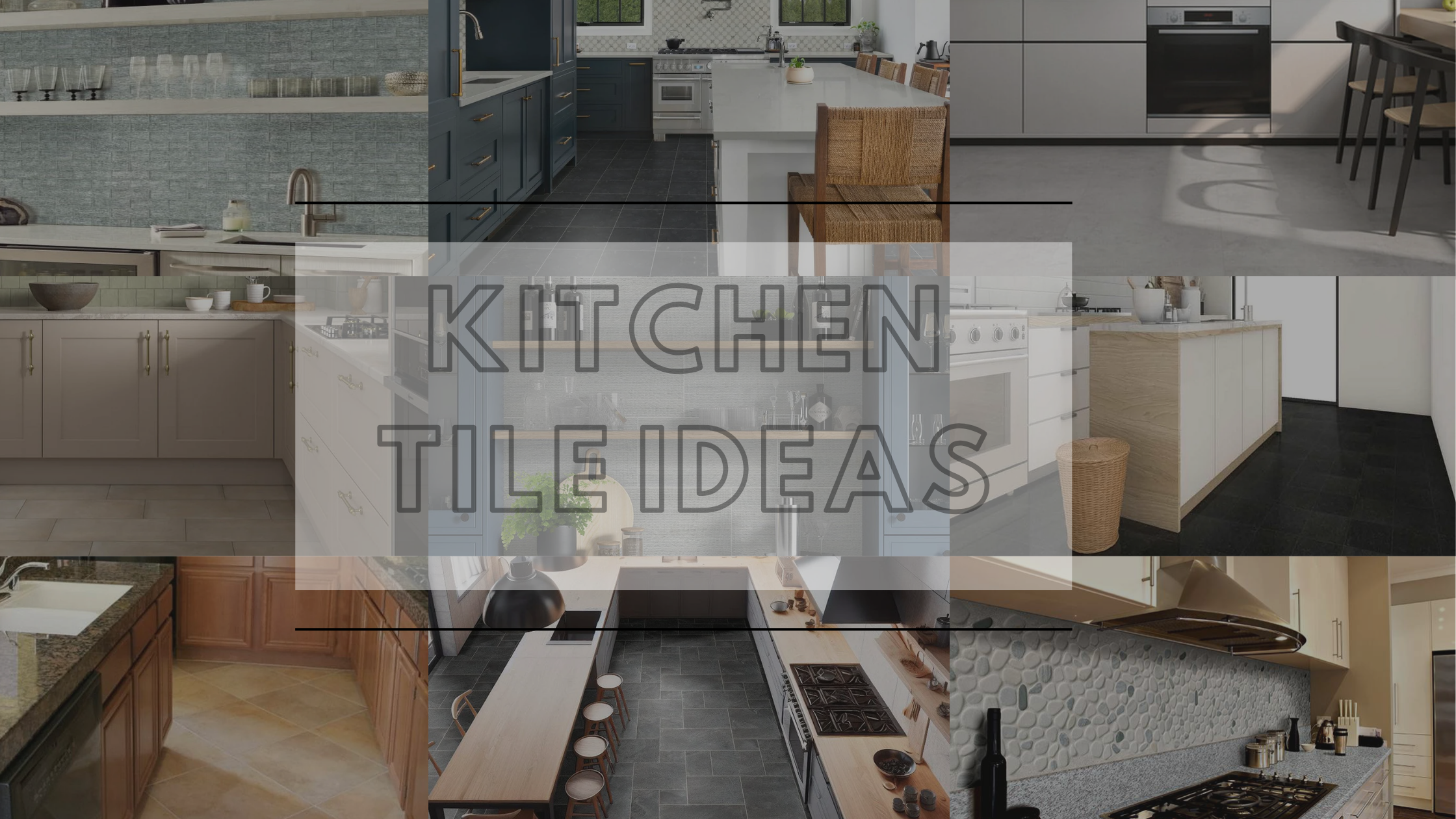
Natural Stone Tiles That Hold Up in Kitchens
Choosing tile for a kitchen often starts with the floor. It needs to withstand spills, heat, heavy appliances, and daily use. Natural stone remains a dependable choice for many homeowners, as it provides a grounded, organic look while performing well underfoot.
Common Stone Options for Kitchen Floors
Each stone type offers different visual textures and practical benefits:
- Travertine – Often used in modern and transitional kitchens. Its earthy color range makes it a good match for both dark and light cabinetry. Travertine needs sealing but offers a soft, natural appearance that wears in over time.
- Granite Tile – Denser and more resistant to scratches, granite tiles are useful in high-traffic areas like kitchens. It’s commonly used in both countertops and floors when a cohesive surface is desired.
- Slate – Known for its darker shades and slight variation from tile to tile. Slate works well in kitchens where the goal is to reduce visual glare or anchor the space.
- Limestone – A lighter-toned option, limestone is typically chosen for kitchens that receive less natural light. Its softer surface makes it easier on the feet but requires proper maintenance.
Backsplash Ideas That Go Beyond Basic White Tile
The backsplash is one of the most flexible parts of any kitchen design. It allows for creativity in pattern, texture, and layout without requiring major structural changes. This is where many homeowners experiment with materials beyond traditional options.
Unique Materials Gaining Popularity
Some of the most requested backsplash types today include:
- Limestone backsplash – Known for its natural tones and textured feel. Works well with both dark and light cabinetry.
- Pebble backsplash – Often used as an accent, this option adds a raw, grounded surface feel, especially behind sinks or around open shelving.
- Mosaic backsplash – Small-format tiles arranged in repeating or random patterns. Mosaic backsplashes are commonly used in compact spaces or to highlight certain areas, such as under the range hood or around windows.
- Subway backsplash – Still a staple, now available in more finishes, colors, and proportions. Extended subway patterns or stacked layouts help create a modern twist.
How to Match Backsplash with Floor and Cabinets
Creating a balance between surface materials is key to avoiding visual clutter. Here’s a basic method to plan a unified kitchen look:
- Identify your fixed points (flooring or cabinets).
- Choose contrast for visual depth—light backsplash with dark floors or vice versa.
- Keep one texture dominant (e.g., matte floor with gloss backsplash).
- Limit patterns to one surface. If your backsplash uses mosaics or patterned subway tile, keep your floor simple.
Tile Sizes and Finish — Small Choices, Big Impact
Beyond materials and brands, finish and size affect how a kitchen looks and functions day to day.
Finish Types
- Matte – Better for reducing glare and hiding fingerprints or smudges. Commonly used on floors and backsplashes where light is strong or foot traffic is high.
- Glossy – Easier to wipe clean and good for low-contact areas, but can show more watermarks. Used mainly on backsplashes or feature wall areas.
Why 12x12 Tile Still Works
The 12x12 format remains relevant for many kitchens, particularly in apartments or smaller layouts.
Benefits include:
- Easier installation with less waste.
- Good fit for galley kitchens or square floor plans.
- Balanced proportions when paired with standard cabinet dimensions.
🧾Frequently Asked Questions FAQs:
Q) Which tile is best for kitchen floors?
A) Porcelain and natural stone tiles like travertine, granite, and slate are strong choices. They handle heat, spills, and regular foot traffic well, making them practical for kitchen use.
Q) Is Cloe tile good for kitchens?
A) Cloe tile by 'Bedrosians Tile & Stone' is widely used for kitchen backsplashes. Its slightly irregular surface and glazed finish add visual depth without overwhelming the space. It's not intended for floors but works well on walls.
Q) How to choose between matte and gloss tiles?
A) Matte finishes are more forgiving when it comes to smudges and water spots and are generally preferred on floors. Gloss tiles are easier to clean but show more streaks and are better suited for backsplashes.
Q) What are affordable designer tile brands?
A) Brands like Happy Floors, Bedrosians, and Maniscalco offer tile options that bring more variety in color, shape, and surface finish without being cost-prohibitive.
Q) Is tile flooring in a kitchen a good idea?
A) Yes. Tile flooring handles moisture, heat, and spills better than many other surfaces. It’s easy to clean, long-lasting, and comes in a wide range of materials and finishes suited for kitchens.