

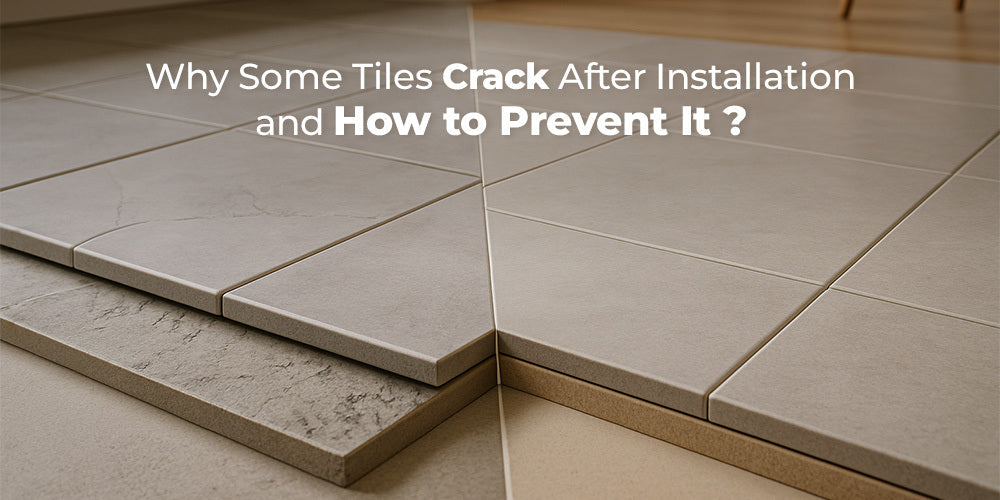
Tile is often chosen because it looks solid, permanent, and reliable. When installed correctly, tile can last for decades without issues. That’s why cracked tiles after installation can be so frustrating. Homeowners usually assume the tile itself is defective, but in most cases, the problem has little to do with tile quality.
Tile cracking is almost always caused by installation conditions, subfloor movement, or environmental stress rather than the tile material. Understanding why tiles crack and how those cracks can be prevented helps homeowners avoid costly repairs and ensures better long-term performance.
This guide explains the most common causes of tile cracking and what needs to happen before, during, and after installation to prevent it.
Tile Cracking Is Rarely a Product Defect
It’s natural to blame the tile when cracks appear, but tile manufacturers design tiles to withstand significant pressure. When cracking occurs, it usually means the tile is responding to stress coming from beneath or around it.
Tile is rigid. It does not flex. When the surface below moves, shifts, or compresses, the tile absorbs that stress and eventually fails. The crack you see is often just the final symptom of a deeper issue.
One of the Biggest Causes: Subfloor Movement

Why the Subfloor Matters More Than the Tile
Tile needs a stable, flat, and well-supported surface. If the subfloor flexes even slightly, the tile above it cannot compensate.
Common subfloor problems include:
- Uneven surfaces.
- Loose or poorly fastened panels.
- Inadequate structural support.
- Old subfloors are not designed for tile weight.
Even minimal movement underfoot can cause stress fractures over time.
Wood Subfloors and Deflection Issues
Wood subfloors naturally expand, contract, and flex. If the floor structure does not meet tile deflection standards, cracks are likely to appear months after installation.
This is why proper underlayment and reinforcement are critical for tile installations over wood.
Improper Subfloor Preparation

Skipping Levelling and Flattening
Tile requires a flat surface. High spots create pressure points, while low spots leave tiles unsupported. Over time, weight and traffic force the tile to bridge these gaps, leading to cracks.
Failure to Address Moisture in Concrete Slabs
Concrete slabs release moisture long after they appear dry. Without proper moisture testing and mitigation, this moisture can weaken adhesives and cause movement that stresses tile.
Incorrect Installation Materials

Using the Wrong Thinset or Adhesive
Not all thinsets are the same. Tile size, material, and location determine which adhesive should be used. Using the wrong product can result in:
- Weak bond strength.
- Uneven curing.
- Loss of flexibility.
Large format tiles, in particular, require specific installation materials to prevent cracking.
Insufficient Mortar Coverage
Tiles need consistent mortar coverage beneath them. Voids under the tile create hollow spots that cannot support weight. When pressure is applied, the tile cracks at its weakest point.
Lack of Movement Joints

Why Expansion Joints Are Critical
Tile expands and contracts with temperature changes. Without expansion joints, stress builds until it releases, often through cracks.
Movement joints are especially important:
- Near walls.
- At transitions between rooms.
- In large open spaces.
- In areas exposed to sunlight.
Skipping movement joints is one of the most common tile installation mistakes.
Tile Size and Layout Mistakes
Large Format Tiles Require Special Planning
Large tiles look clean and modern, but they demand precise installation. Improper support, uneven substrates, or incorrect mortar application increase the risk of cracking.
Poor Layout Decisions
Improper layout can place stress on tile edges or corners, especially near doorways and transitions. Over time, these stress points become crack locations.
Temperature and Environmental Stress
Heat and Sunlight Exposure
Tiles exposed to direct sunlight, such as near large windows, experience more expansion. Without room to move, this expansion creates internal pressure.
Cold Conditions and Freeze-Thaw Cycles
In colder climates, moisture beneath tiles can freeze and expand. Outdoor or unconditioned spaces are especially vulnerable if the tile or installation system is not rated for those conditions.
Grout and Its Role in Tile Cracking
Grout does more than fill gaps it helps distribute stress. Using the wrong grout type or spacing can contribute to cracking.
Common grout-related issues include:
- Grout joints that are too narrow.
- Rigid grout in areas that need flexibility.
- Cracked grout that allows movement beneath tiles.
Flexible grout and proper joint sizing help absorb minor movement.
Heavy Loads and Point Pressure
Tile handles distributed weight well, but concentrated pressure can cause cracking.
Examples include:
- Heavy furniture with small feet.
- Kitchen islands without load distribution.
- Appliances are placed directly on unsupported tile.
Protective pads and proper structural support reduce this risk.
Why Cracks Sometimes Appear Months Later
Tile cracking doesn’t always happen immediately. In many cases, installation stress builds slowly. Seasonal temperature changes, humidity shifts, or gradual subfloor movement can trigger cracks long after the job appears complete.
This delayed failure often leads to confusion, but the cause is usually tied to conditions present at installation, not later damage.
How to Prevent Tile Cracking Before Installation
Prevention starts with preparation. The most successful tile installations focus on the system, not just the surface.
Key prevention steps include:
- Ensuring subfloor meets tile deflection standards.
- Flattening and levelling surfaces.
- Using correct underlayment and membranes.
- Selecting the right thinset and grout.
- Including proper movement joints.
Each step reduces stress on the tile.
The Role of Uncoupling Membranes
Uncoupling membranes help isolate tile from subfloor movement. They absorb minor shifts and reduce stress transfer.
These systems are especially helpful:
- Over wood subfloors.
- In remodel projects.
- In areas with temperature variation.
While not always required, they add an extra layer of protection.
Why Professional Installation Matters
Many tile cracking issues stem from shortcuts or a lack of experience. Professional installers understand:
- Structural requirements.
- Material compatibility.
- Layout planning.
- Environmental considerations.
Proper installation dramatically reduces the risk of failure.
How Floors Center Helps Prevent Tile Cracking
Floors Center provides access to high-quality tile options along with the information needed to select the right tile for the right application. By offering detailed product specifications, thickness options, and guidance on tile use, Floors Center helps homeowners and contractors make informed decisions.
Choosing tile based on performance, not just appearance, reduces installation issues and long-term problems. When tiles are matched correctly to the space and installed with proper preparation, cracking becomes far less likely.
Conclusion
Tile cracking after installation is frustrating, but it is rarely unavoidable. In most cases, cracks result from subfloor movement, improper preparation, incorrect installation materials, or a lack of movement allowance.
Tile itself is strong, but it depends entirely on what supports it. When the installation system is properly designed and executed, tile performs exactly as intended, durable, stable, and long-lasting.
Understanding the real causes of tile cracking allows homeowners to prevent problems before they happen and invest in flooring that truly lasts.
FAQs
Q) Is a cracked tile always a sign of defective tile?
A) No. Cracked tiles are usually caused by subfloor movement or installation issues.
Q) Can cracked tiles be repaired without replacing them?
A) In some cases, but underlying issues must be fixed, or cracks will return.
Q) Do large tiles crack more easily?
A) Large-format tiles require more precise installation, but are not weaker when installed correctly.
Q) Can grout cracking lead to tile cracking?
A) Yes. Cracked grout can indicate movement that may eventually crack tiles.
Q) Does tile crack immediately if something is wrong?
A) Not always. Cracks can appear months later as stress builds.
Q) How can I reduce the risk of tile cracking?
A) Proper subfloor prep, correct materials, and movement joints are key.
1 comment
Linda
Our tiles is over 15years. Today we just year the cracking.