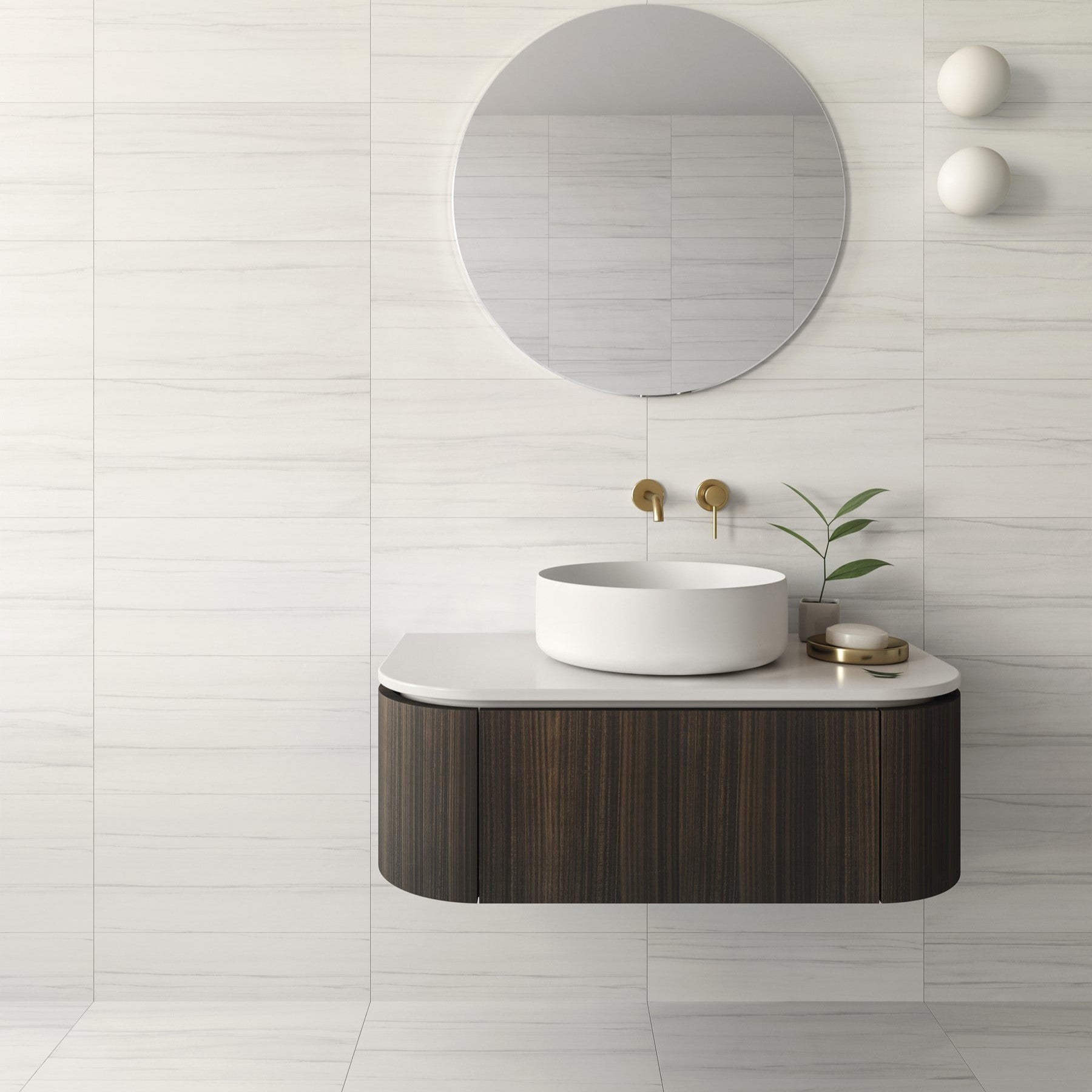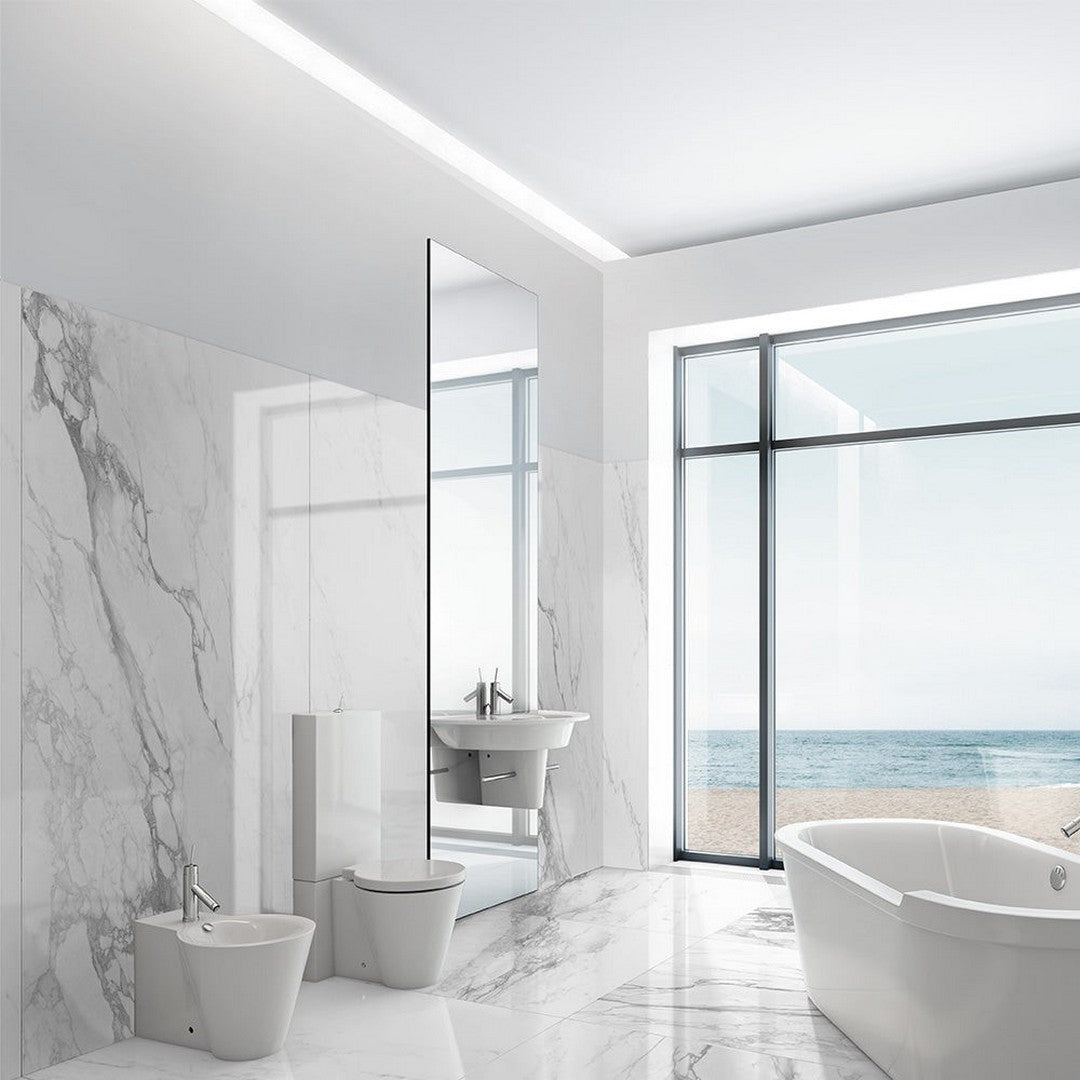

Floor Tiles
5593 products
Showing 5593 - 5593 of 5593 products


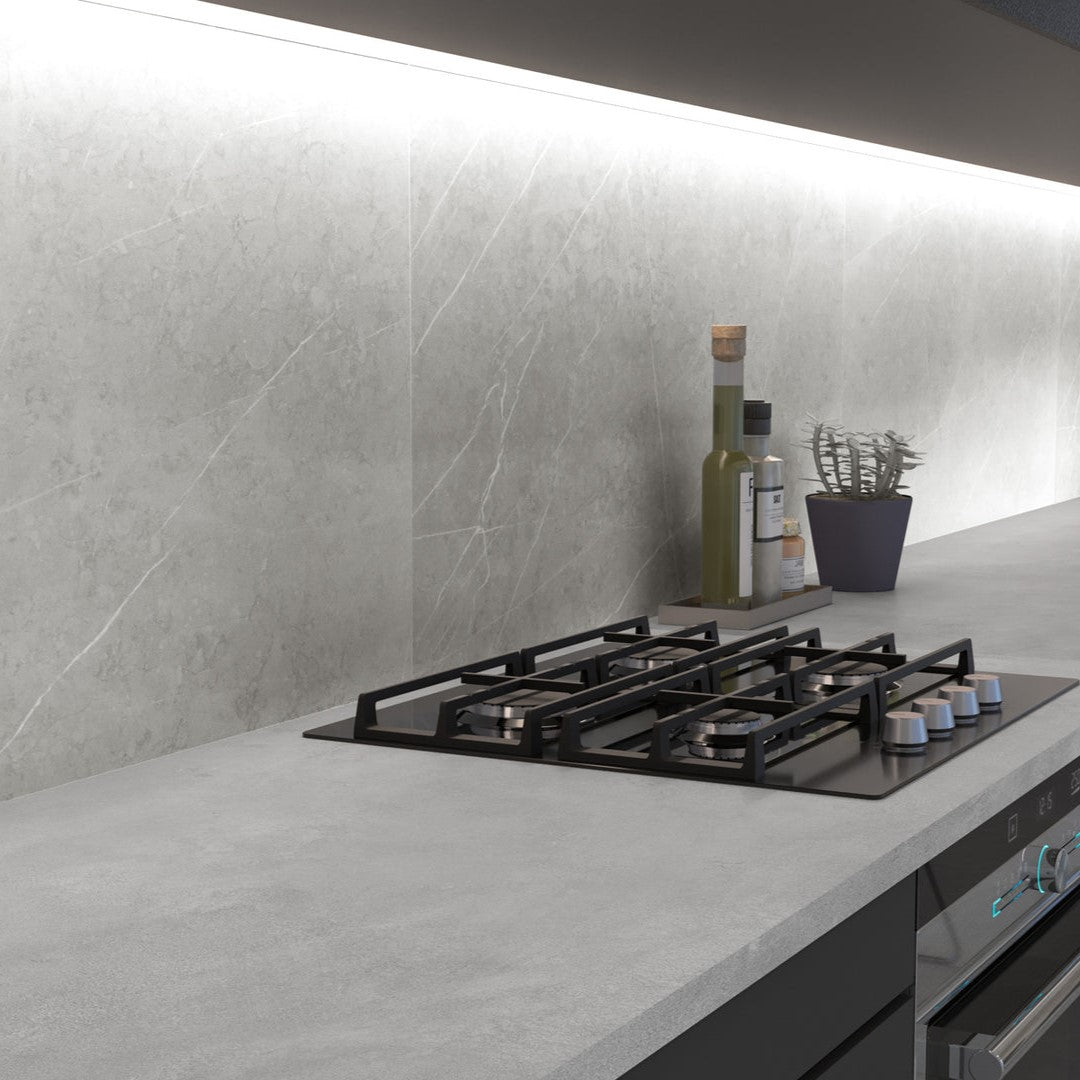
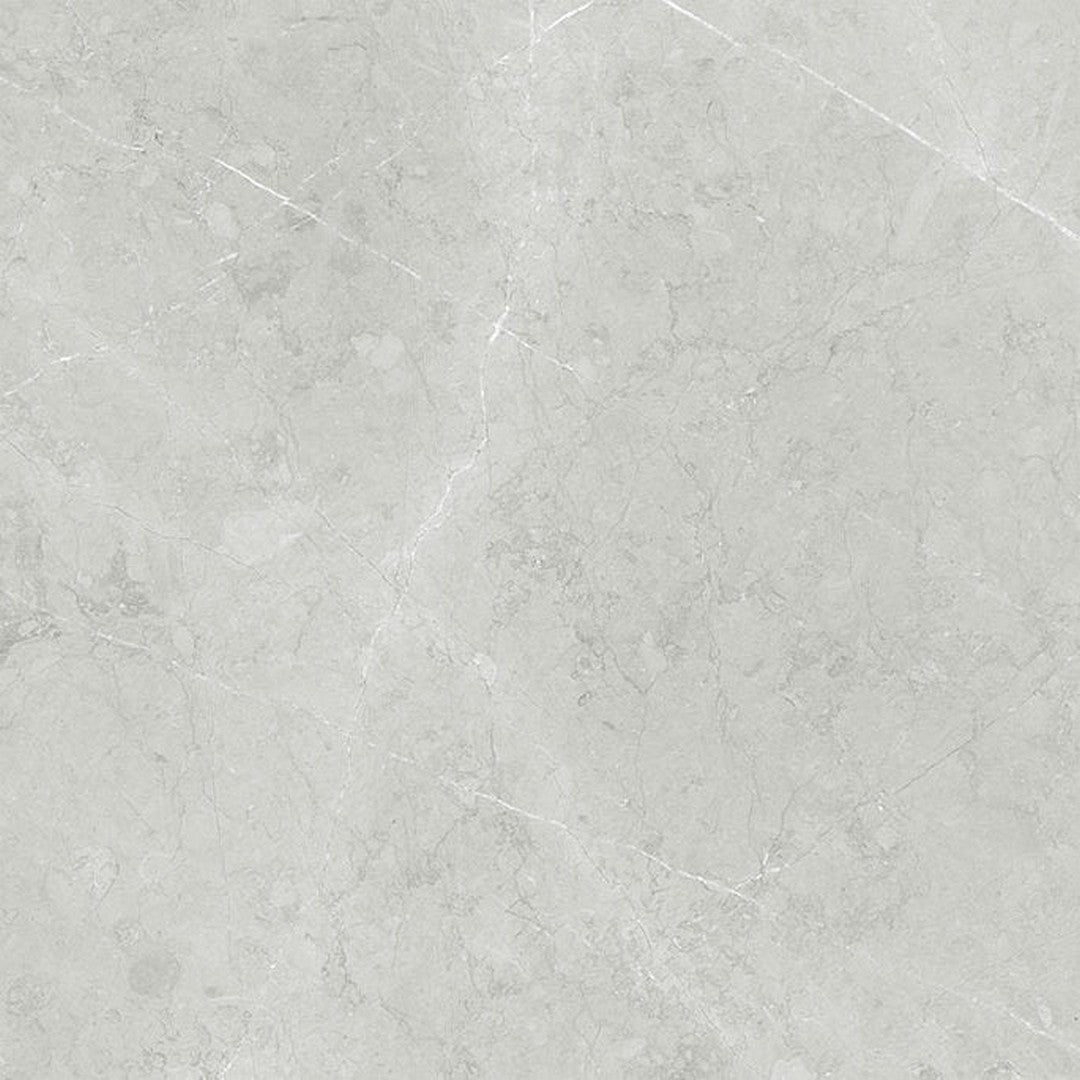
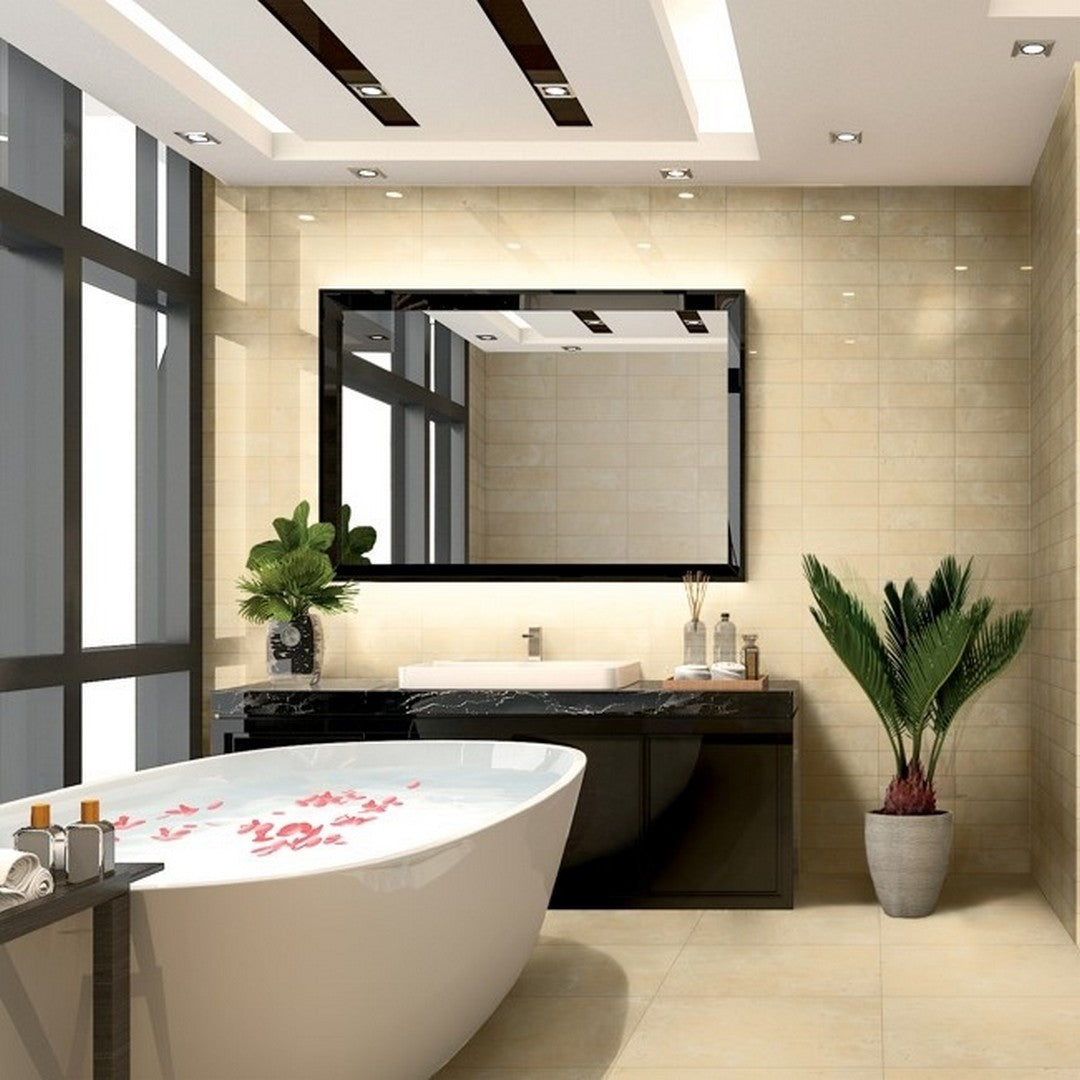
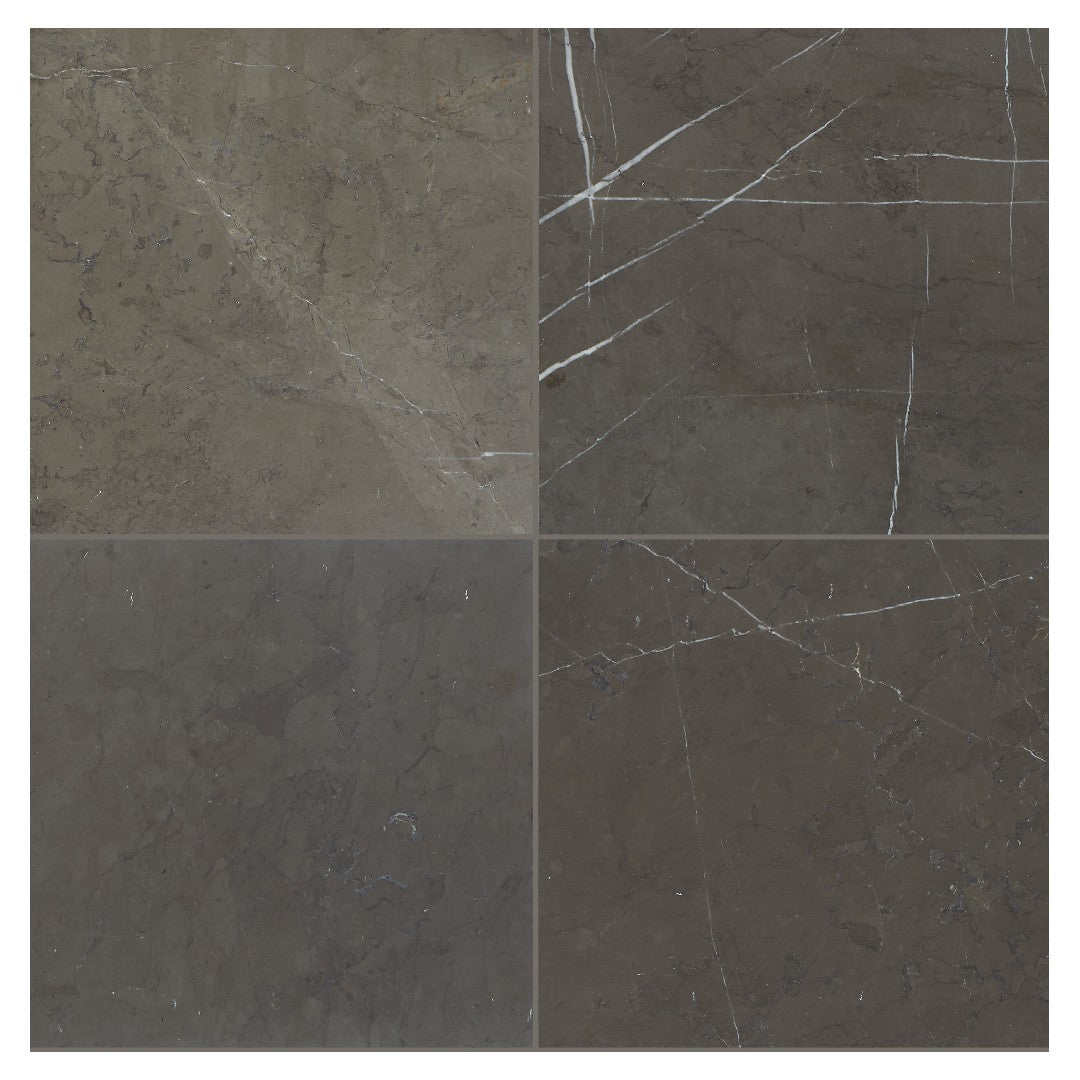
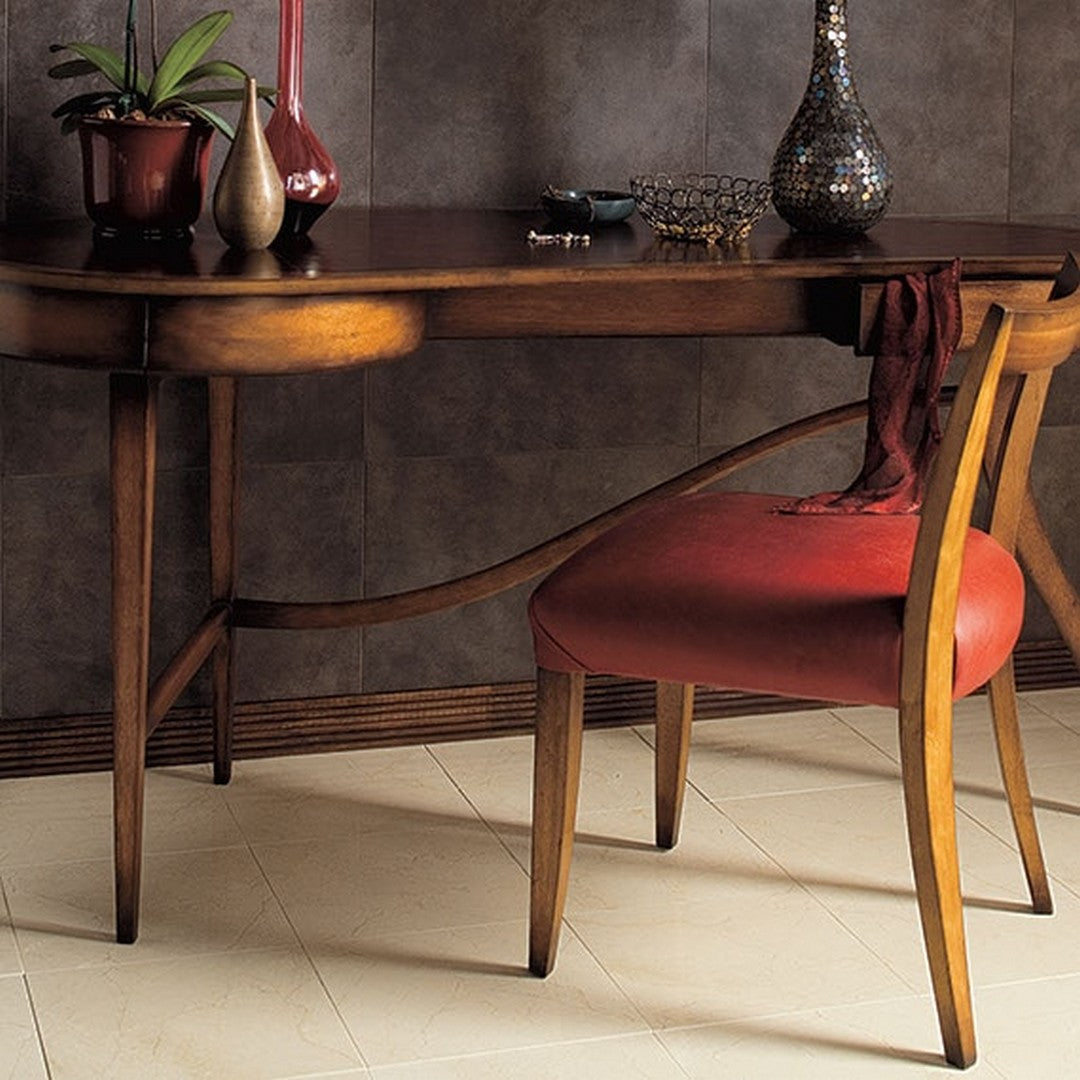
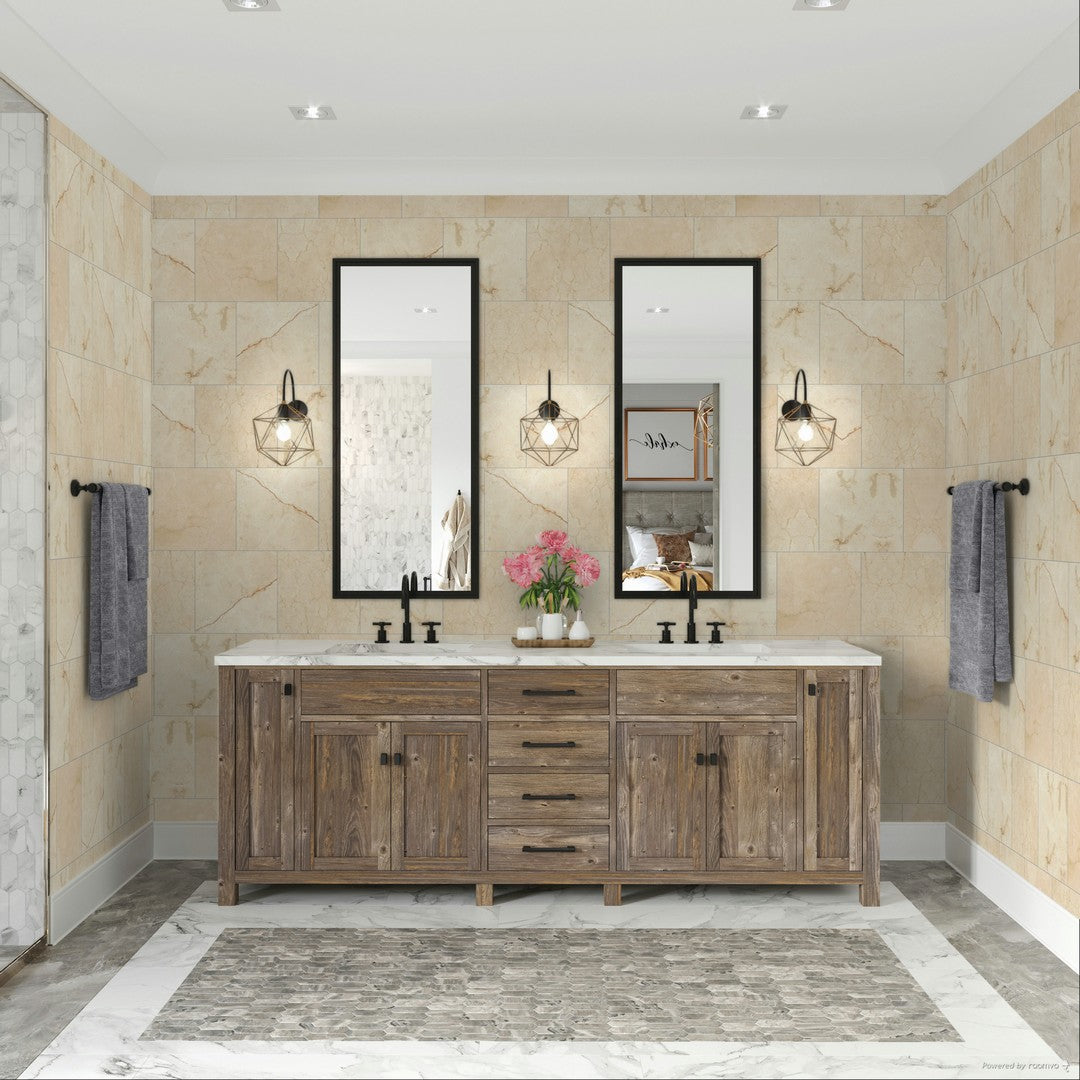
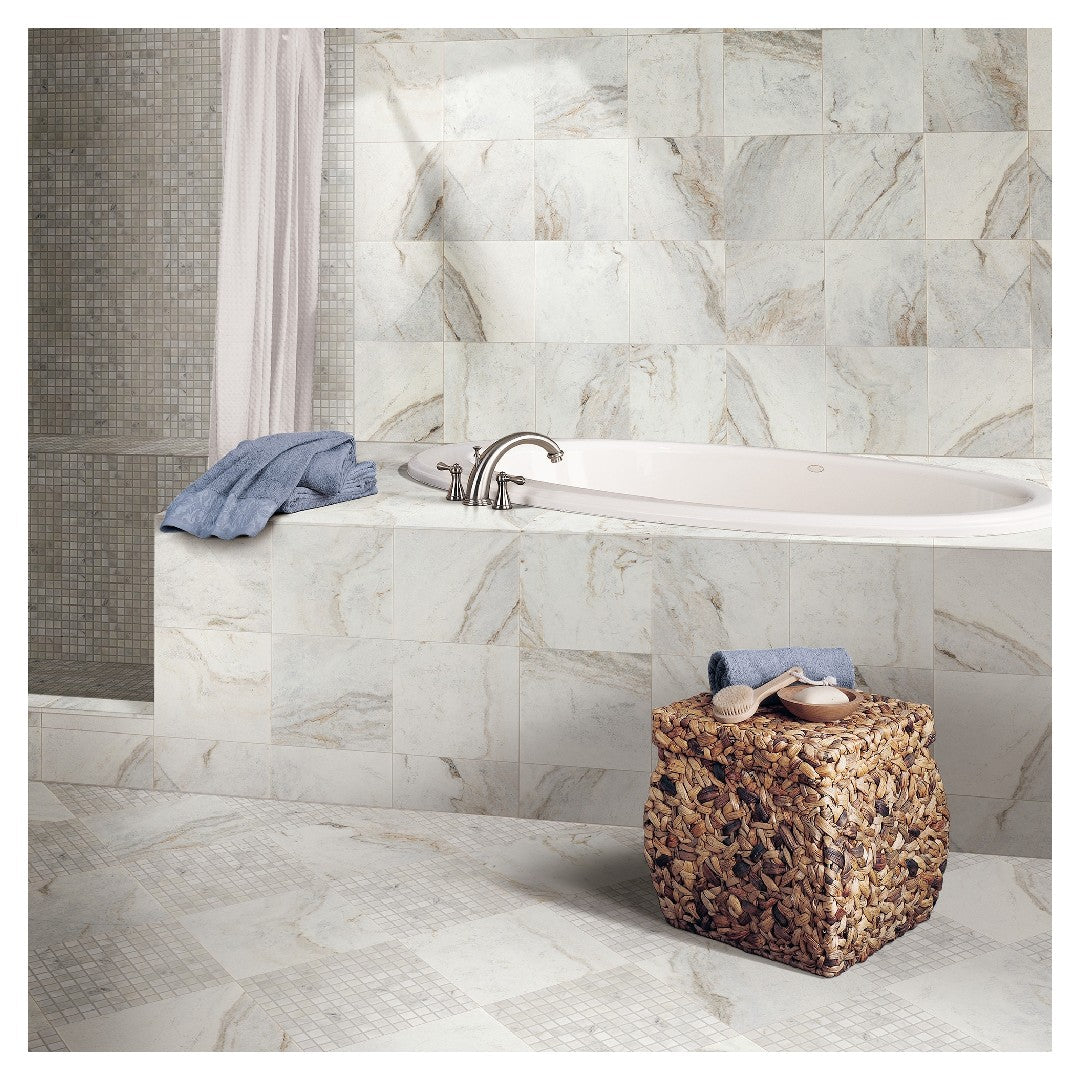
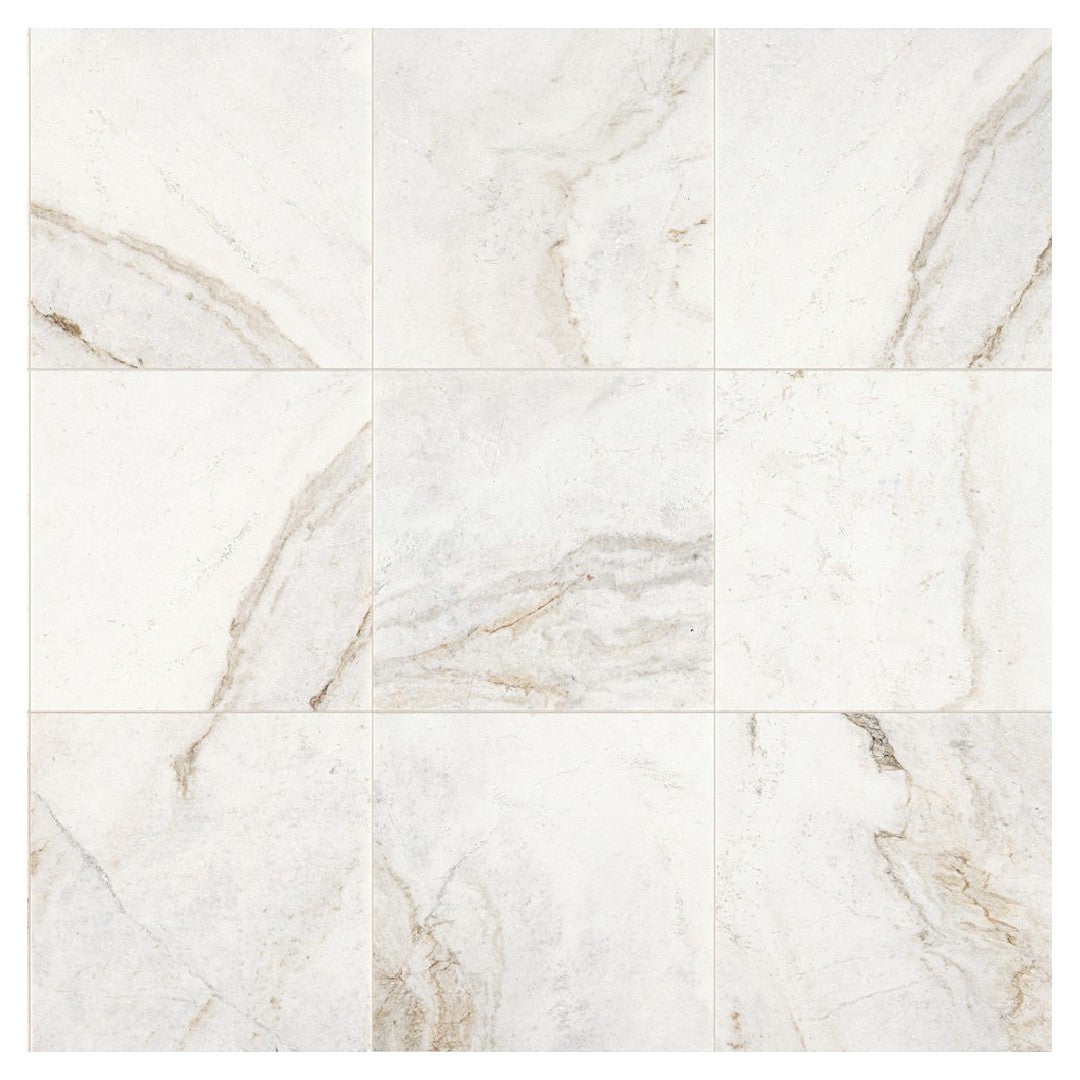
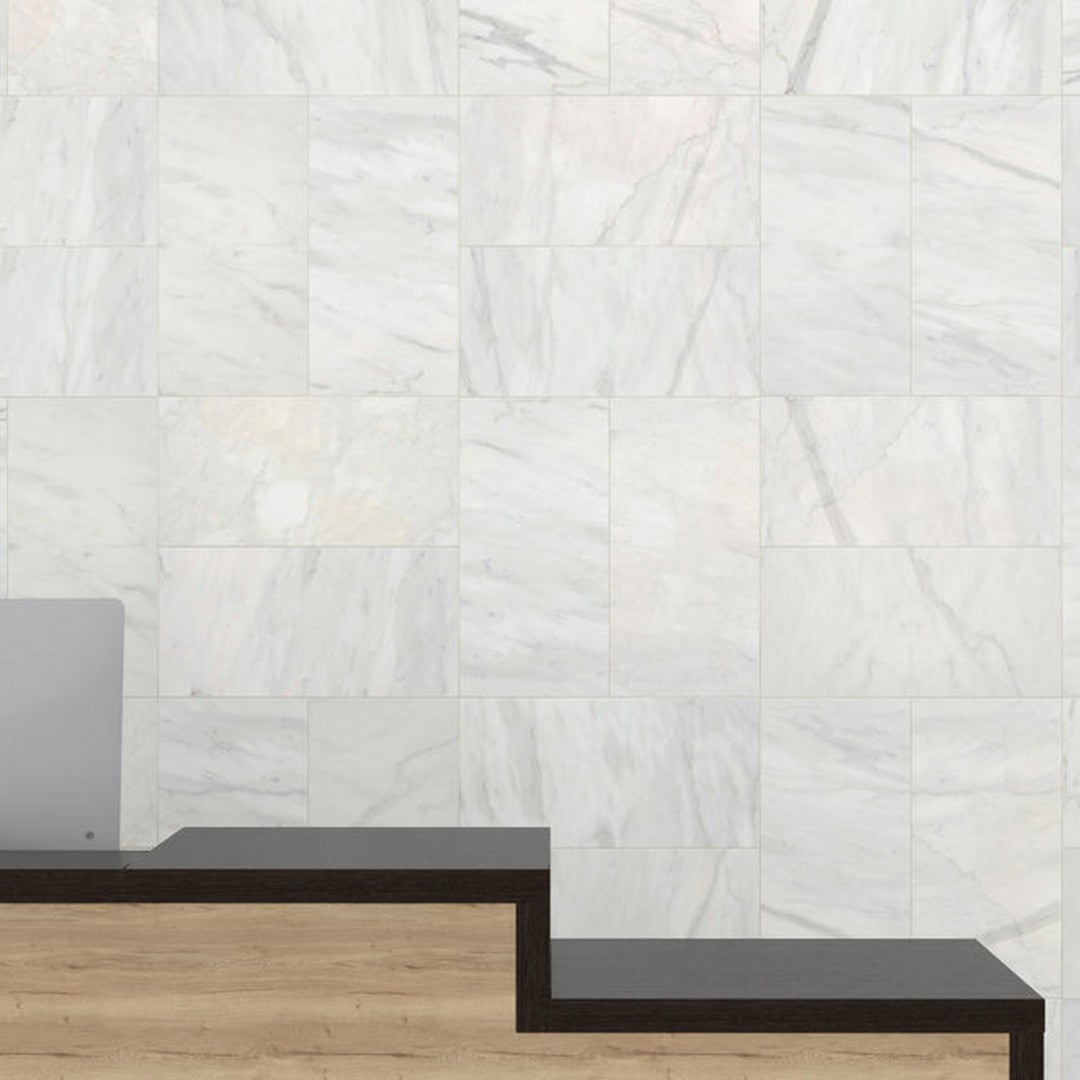
Daltile Natural Stone Marble 12" x 12" Honed TileFloor Tiles: Designed for Every Room, Built to Last
Choose porcelain floor tile for durability and moisture resistance, ceramic for practical everyday use, natural stone for depth and variation, quarry tile for rugged surfaces, and wood-look tile when you want warmth with easier maintenance than real hardwood.
Floor Tiles for Everyday Use
A good floor tile should match the way the space is used. Kitchens need a surface that can handle spills, cleaning, dropped items, and steady foot traffic. Bathrooms need tile with moisture resistance and a finish that feels safe underfoot. Living rooms and open spaces often need larger formats or warmer looks that make the floor feel continuous. Entryways, mudrooms, patios, and commercial areas need stronger surface performance because they deal with dirt, shoes, water, and heavier use.
Floor tile is not only a design choice. The material, finish, size, texture, grout color, and installation method all affect how the floor looks, feels, cleans, and performs over time.
Porcelain Floor Tiles
Porcelain floor tile is one of the strongest choices for busy homes and commercial spaces. It is dense, durable, and water-resistant when rated for the right installation. Porcelain works well in kitchens, bathrooms, laundry rooms, hallways, entryways, living areas, patios, and high-traffic spaces.
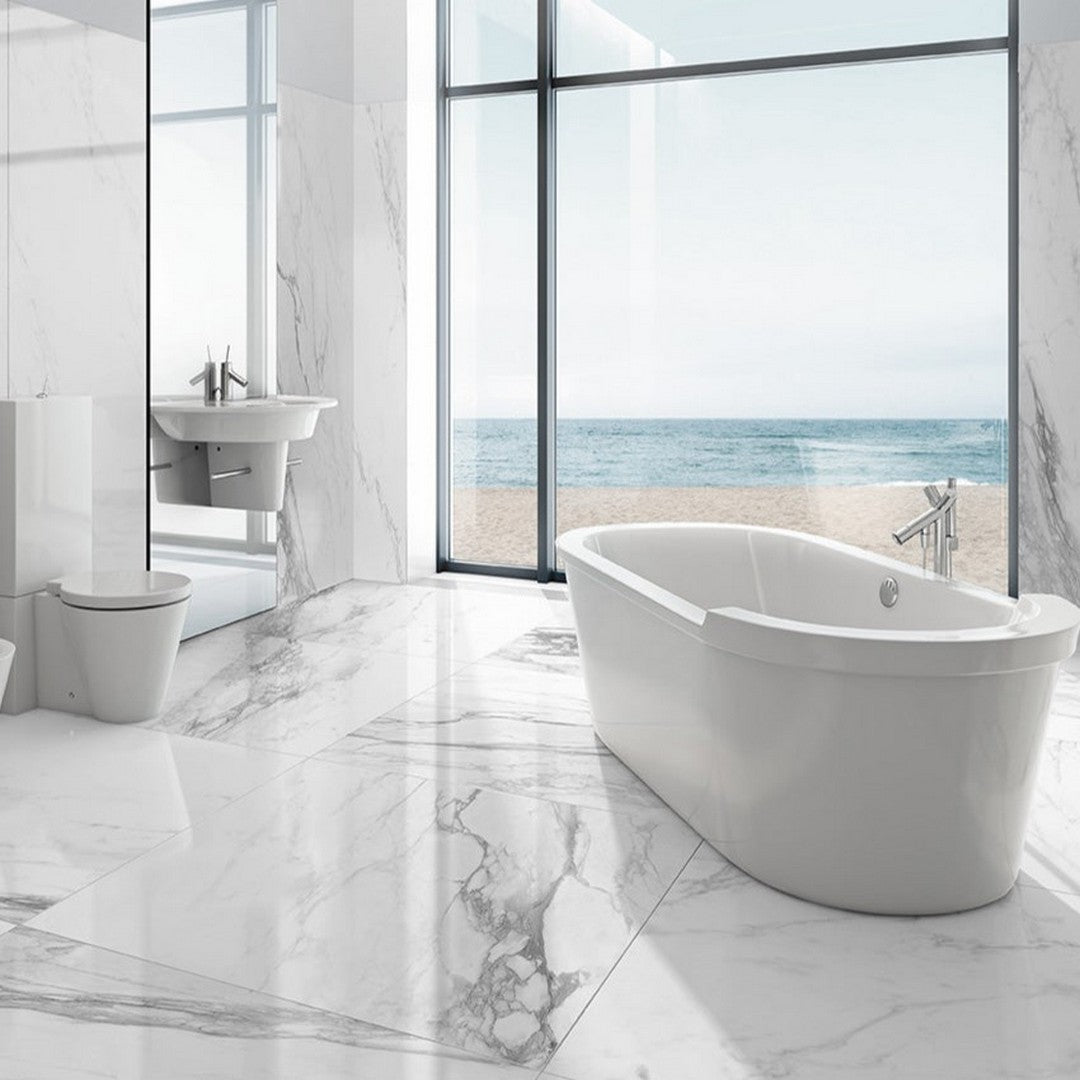
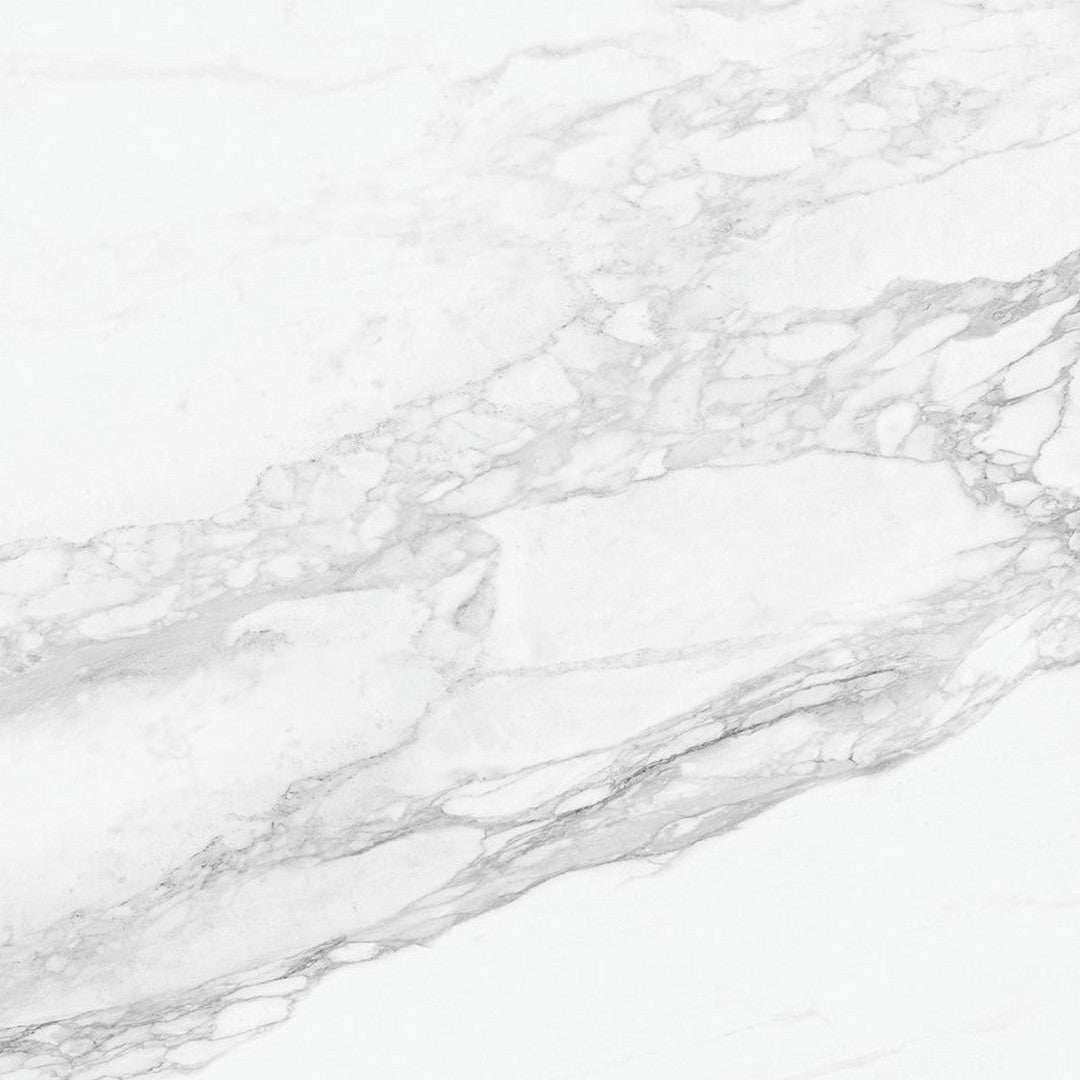
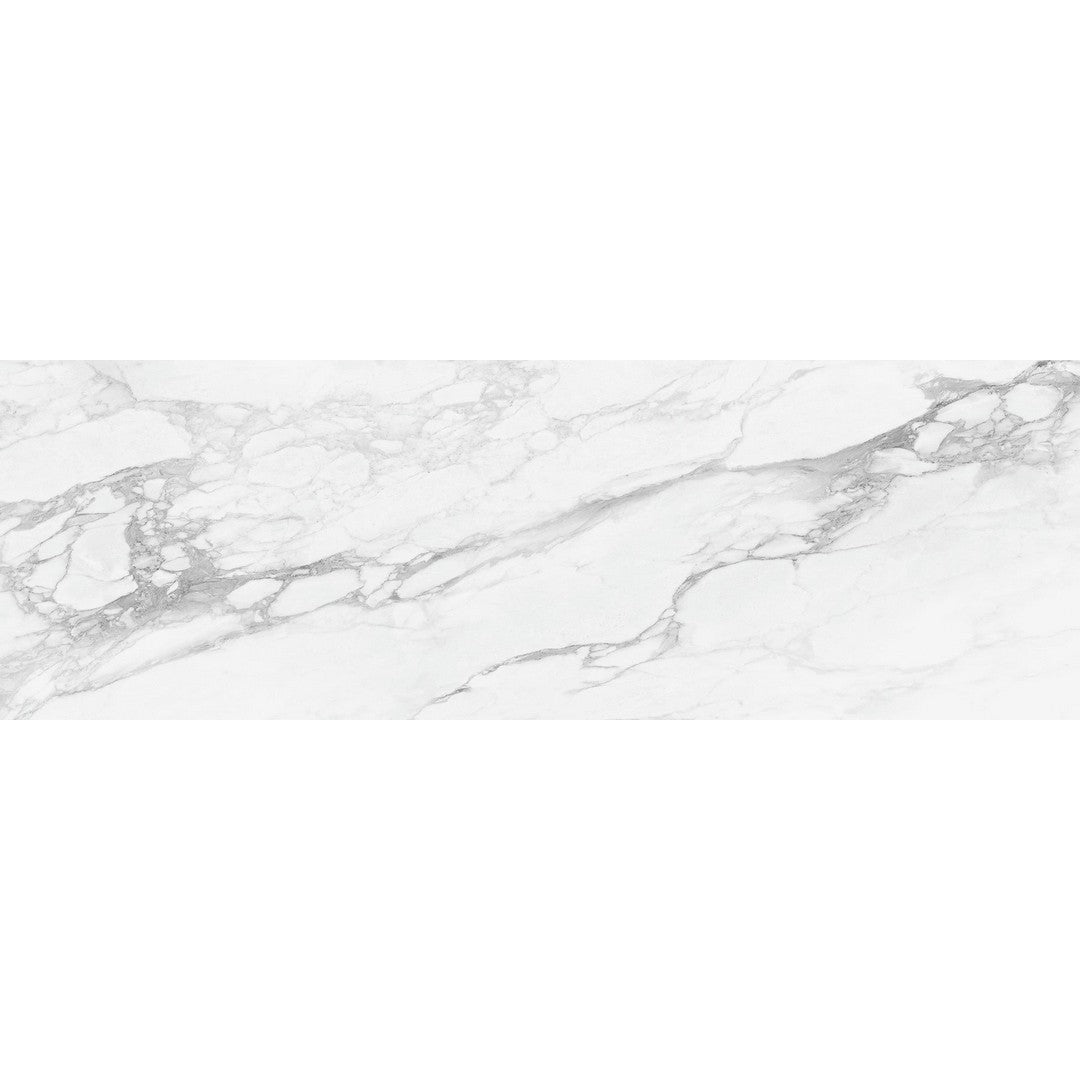
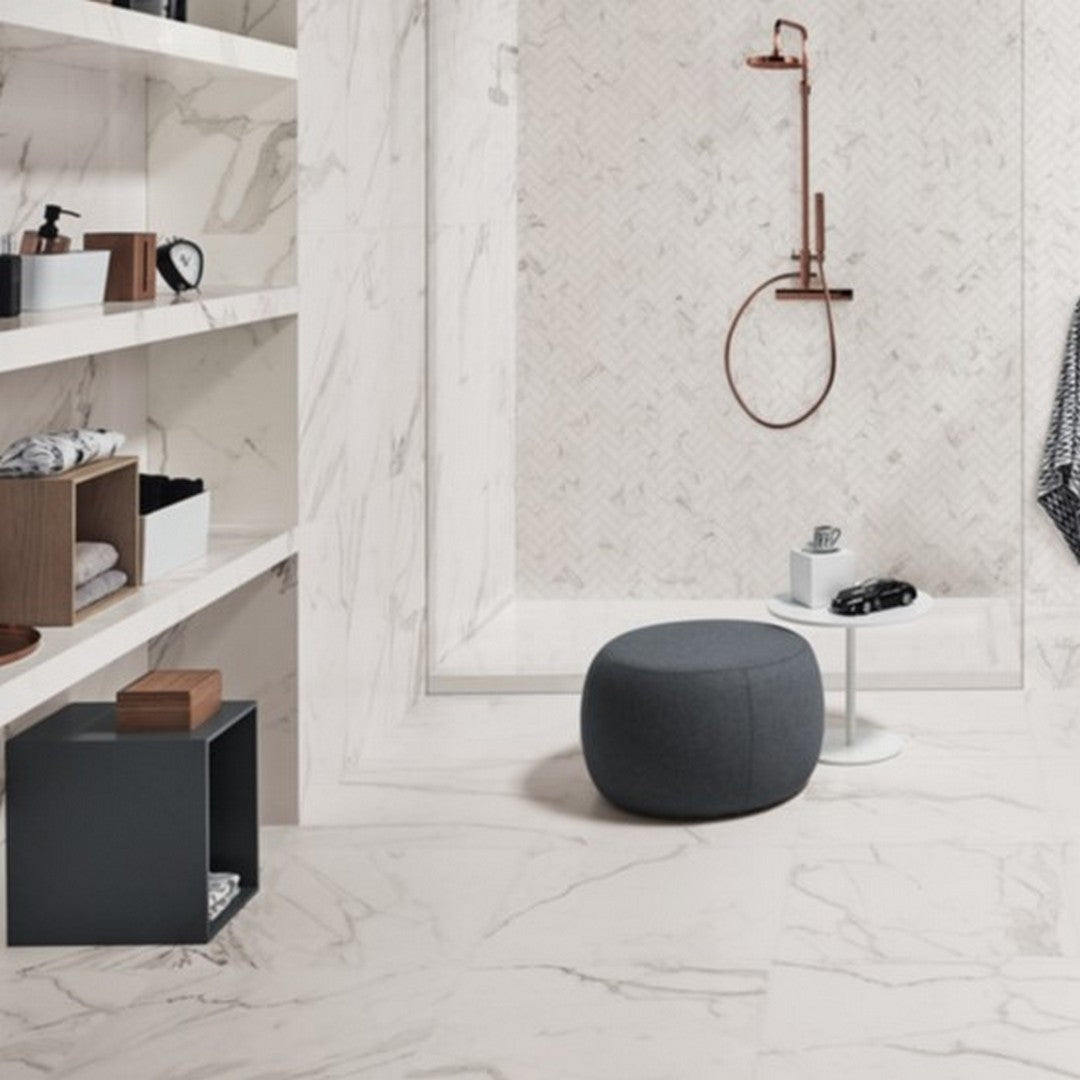
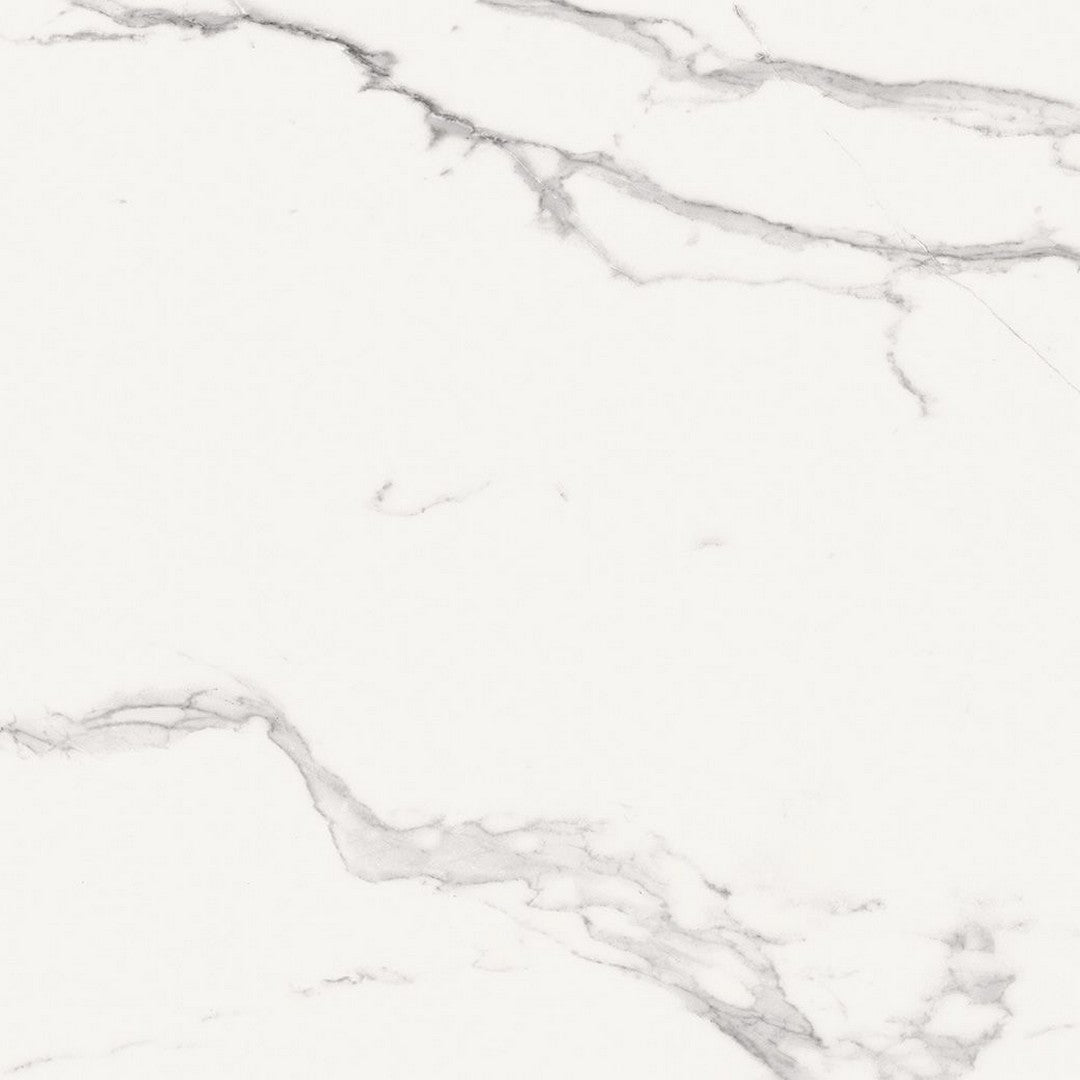
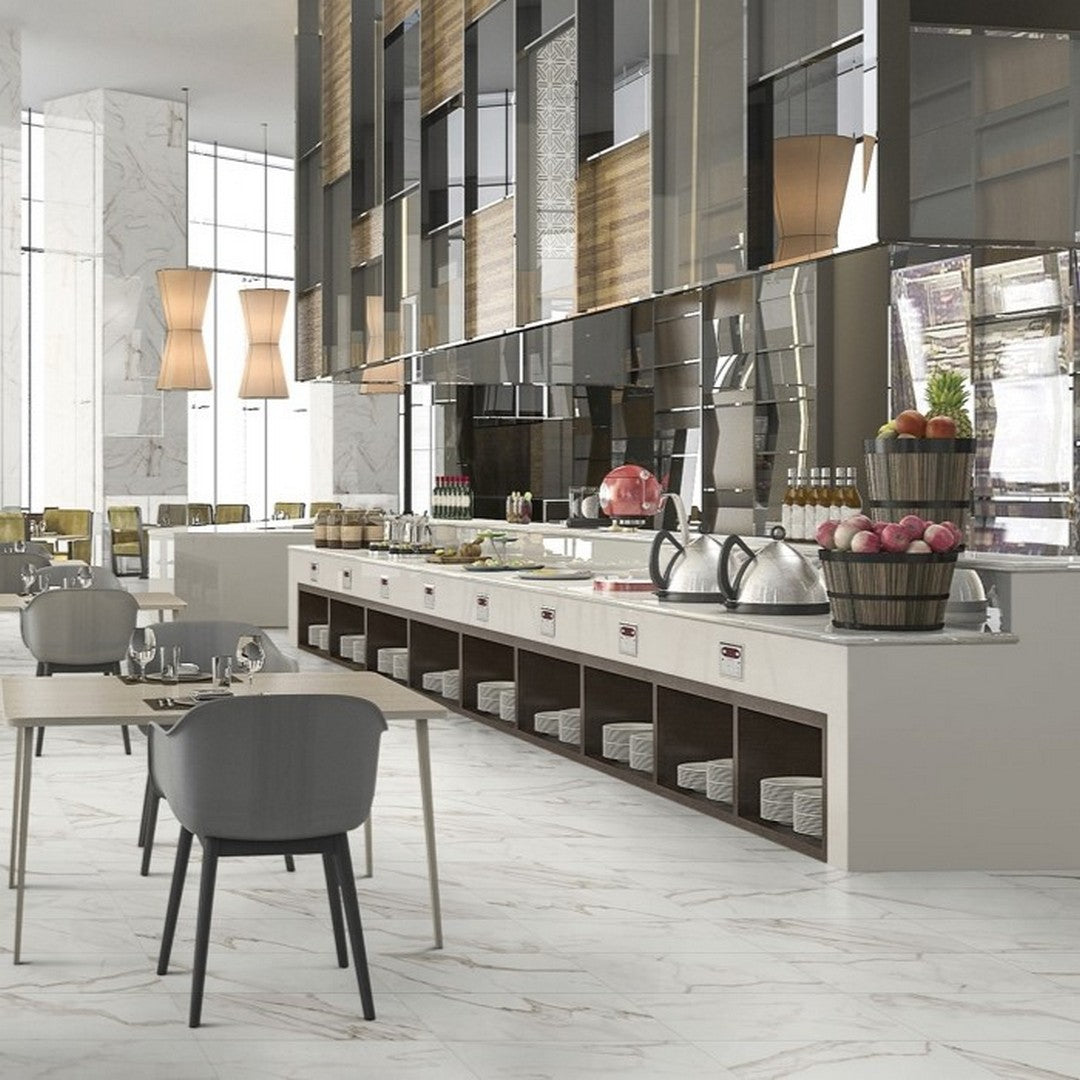
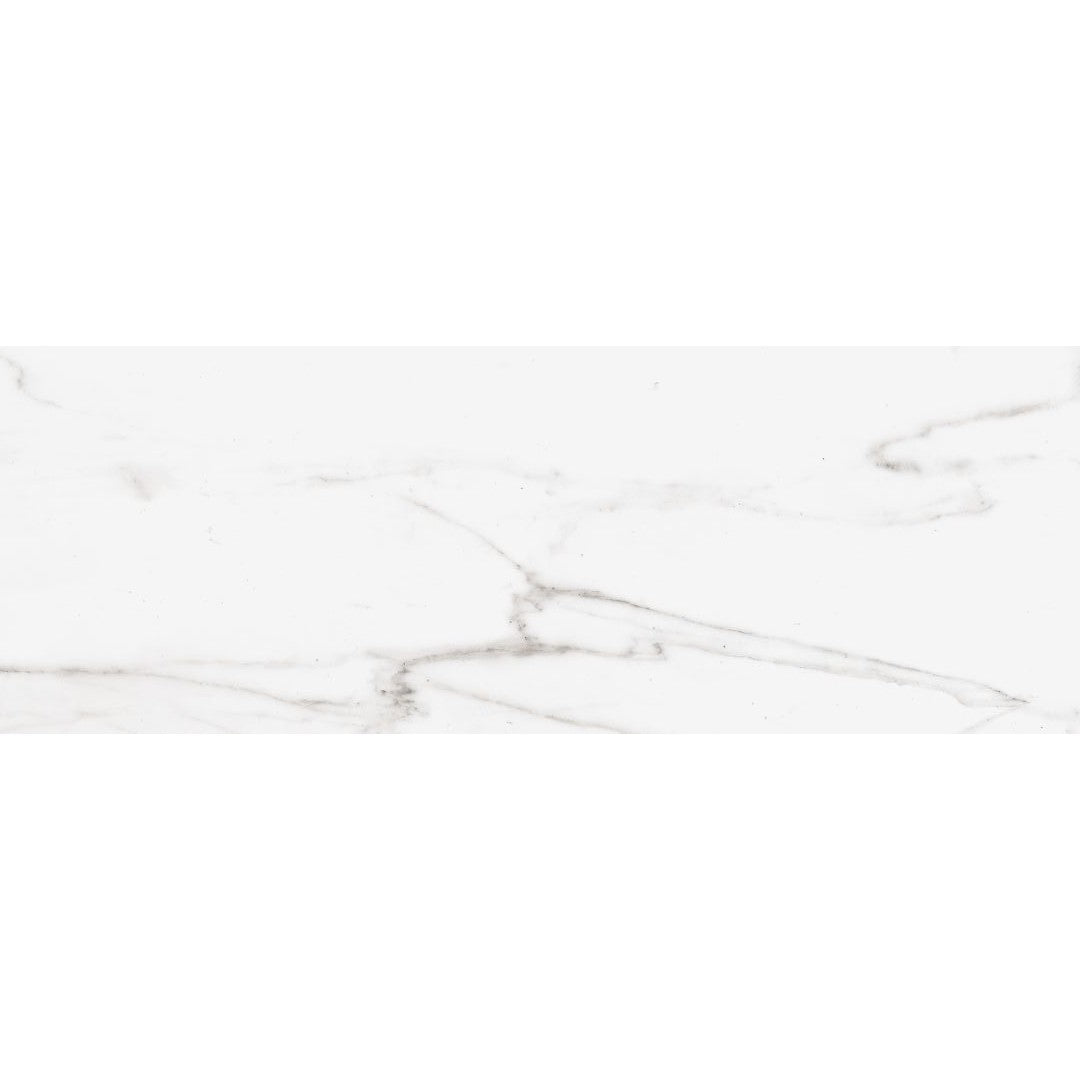
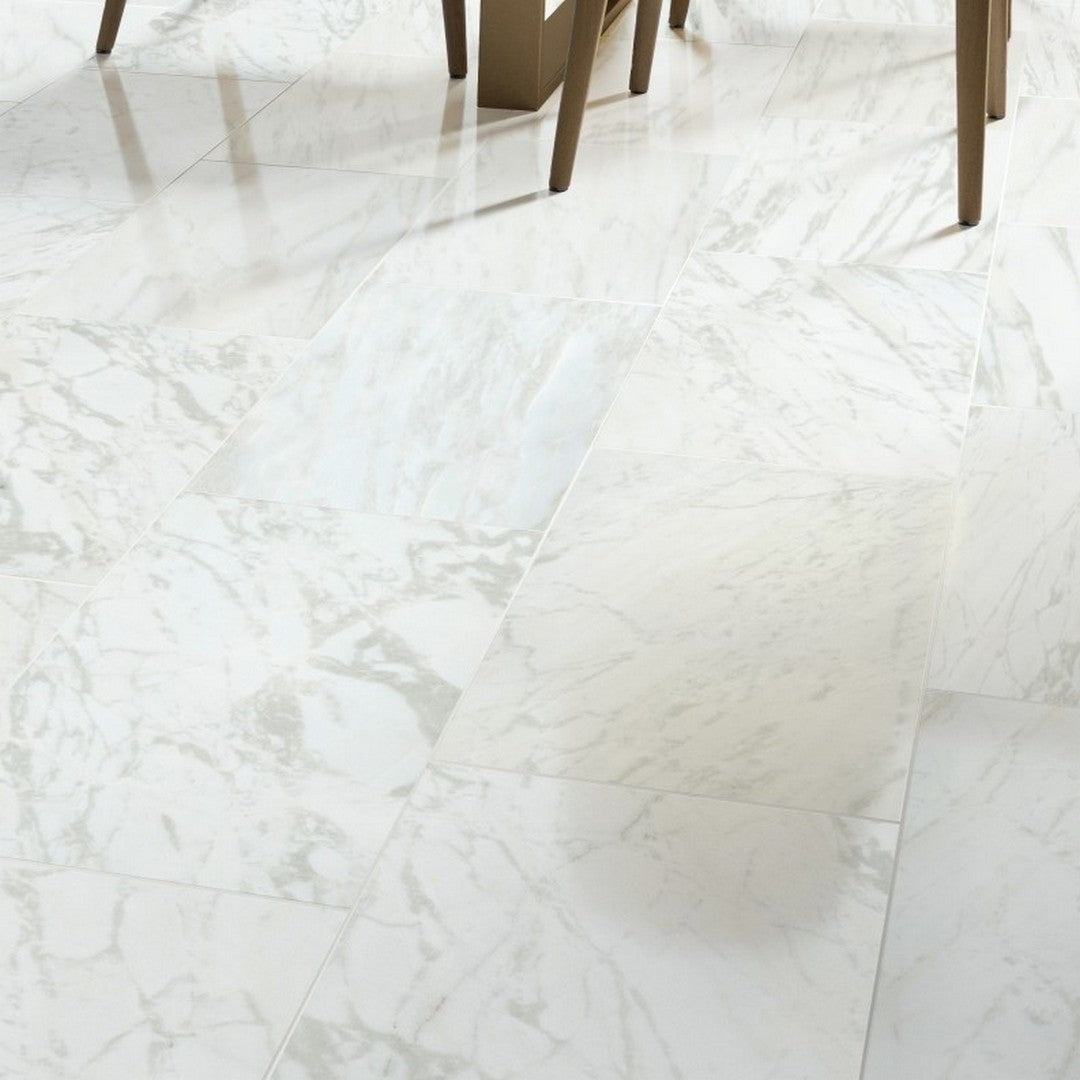
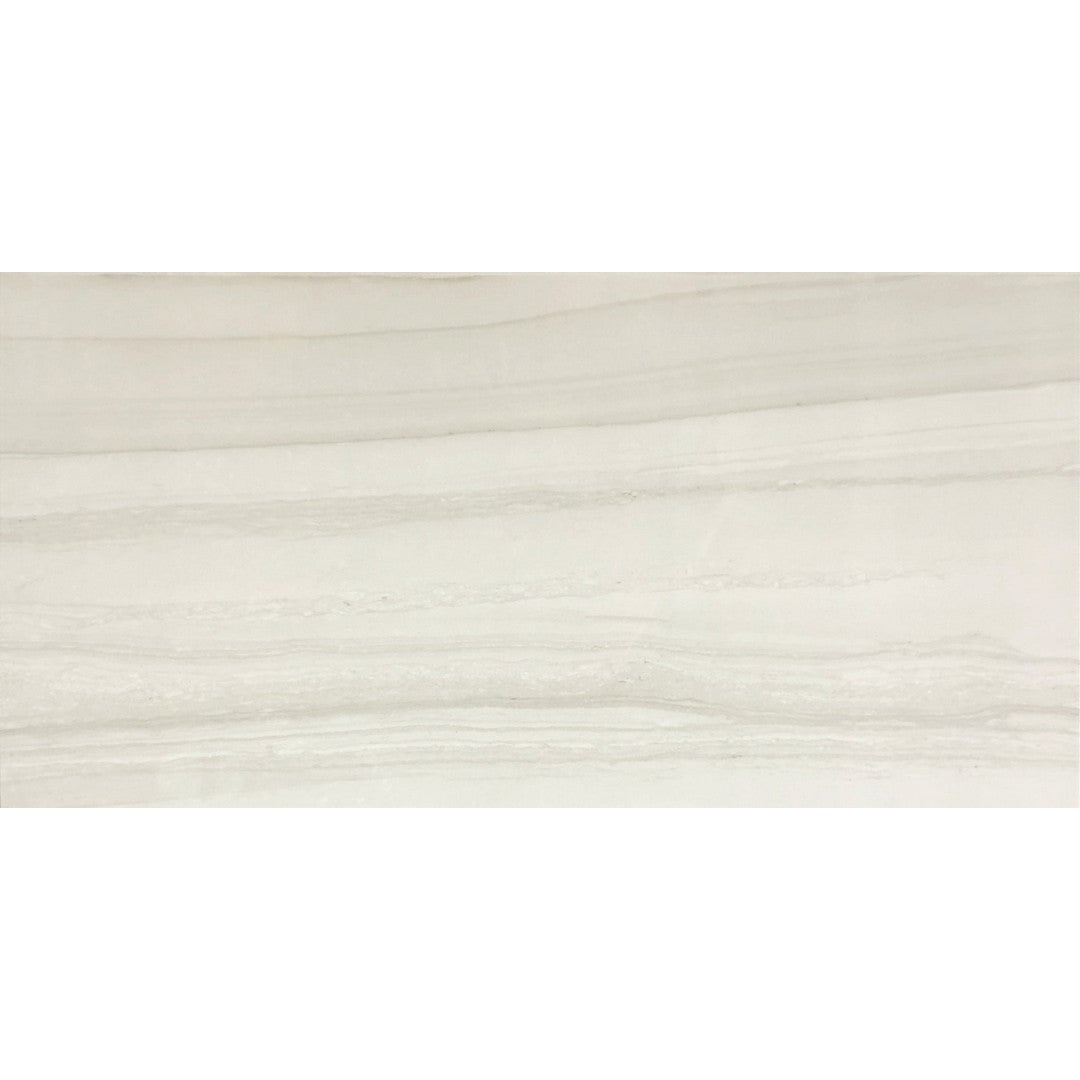
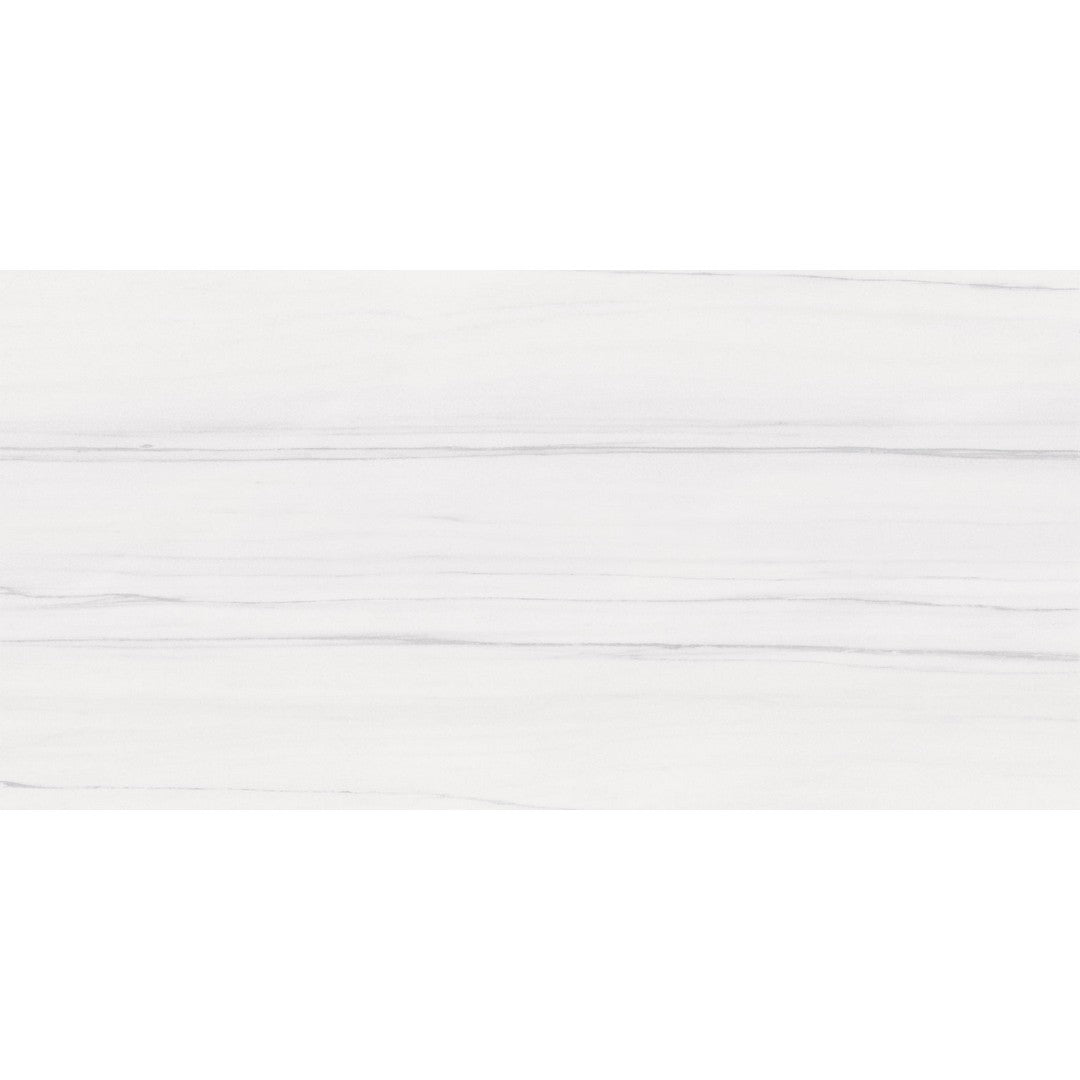
Porcelain is also available in many surface looks, including marble-look, stone-look, concrete-look, wood-look, matte, polished, and textured finishes. This makes it useful when you want the appearance of natural material with easier cleaning and lower maintenance.
Ceramic Floor Tiles
Ceramic floor tile is a practical option for many residential spaces. It is often more affordable than porcelain and comes in a wide range of colors, patterns, and finishes. Ceramic works well in kitchens, bathrooms, dining areas, bedrooms, laundry rooms, and lower-traffic floors when the product is rated for floor use.
Ceramic is also a good choice when the project needs design flexibility without a high material cost. For wet areas or heavier traffic, check the tile rating, finish, and installation suitability before choosing.
Natural Stone Floor Tiles
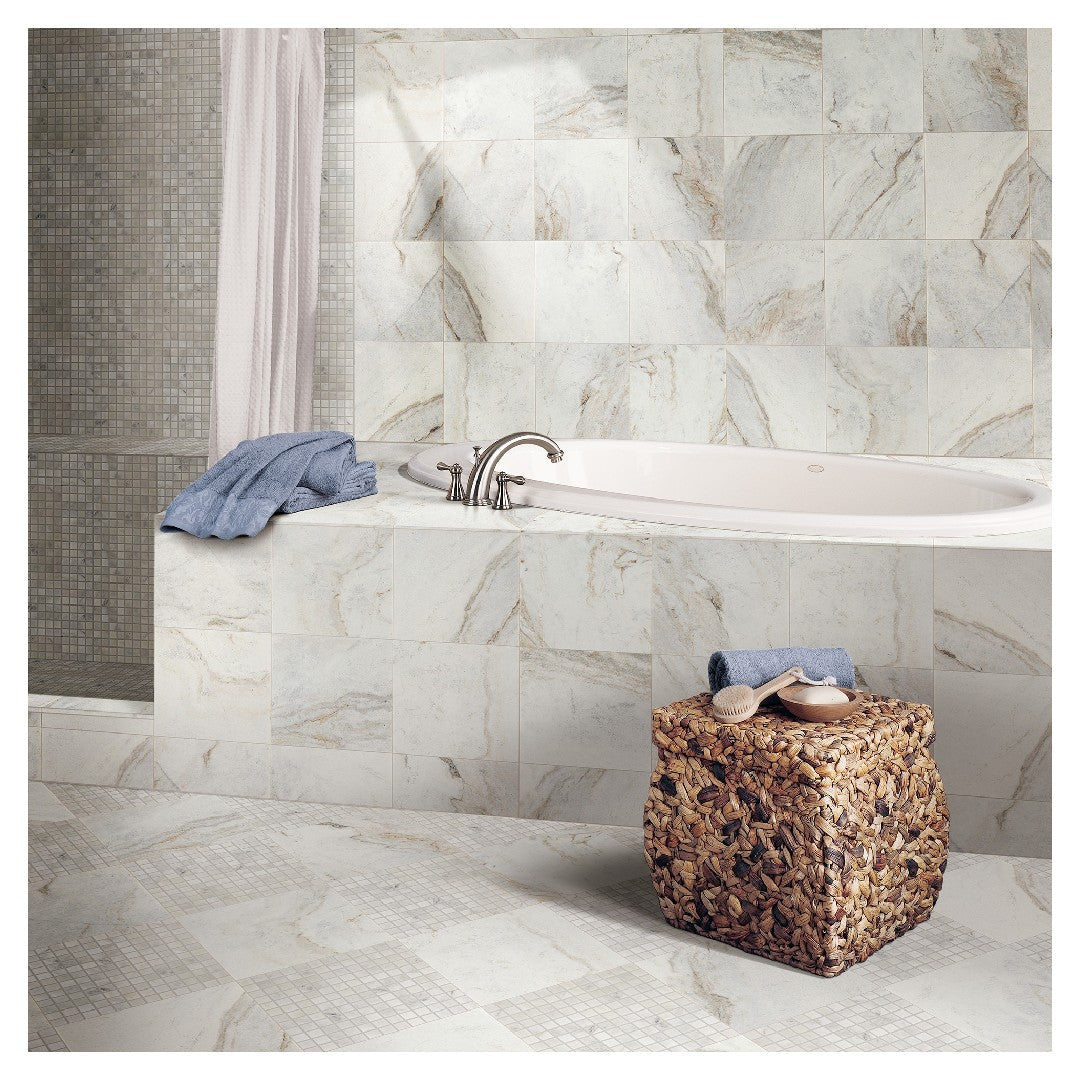
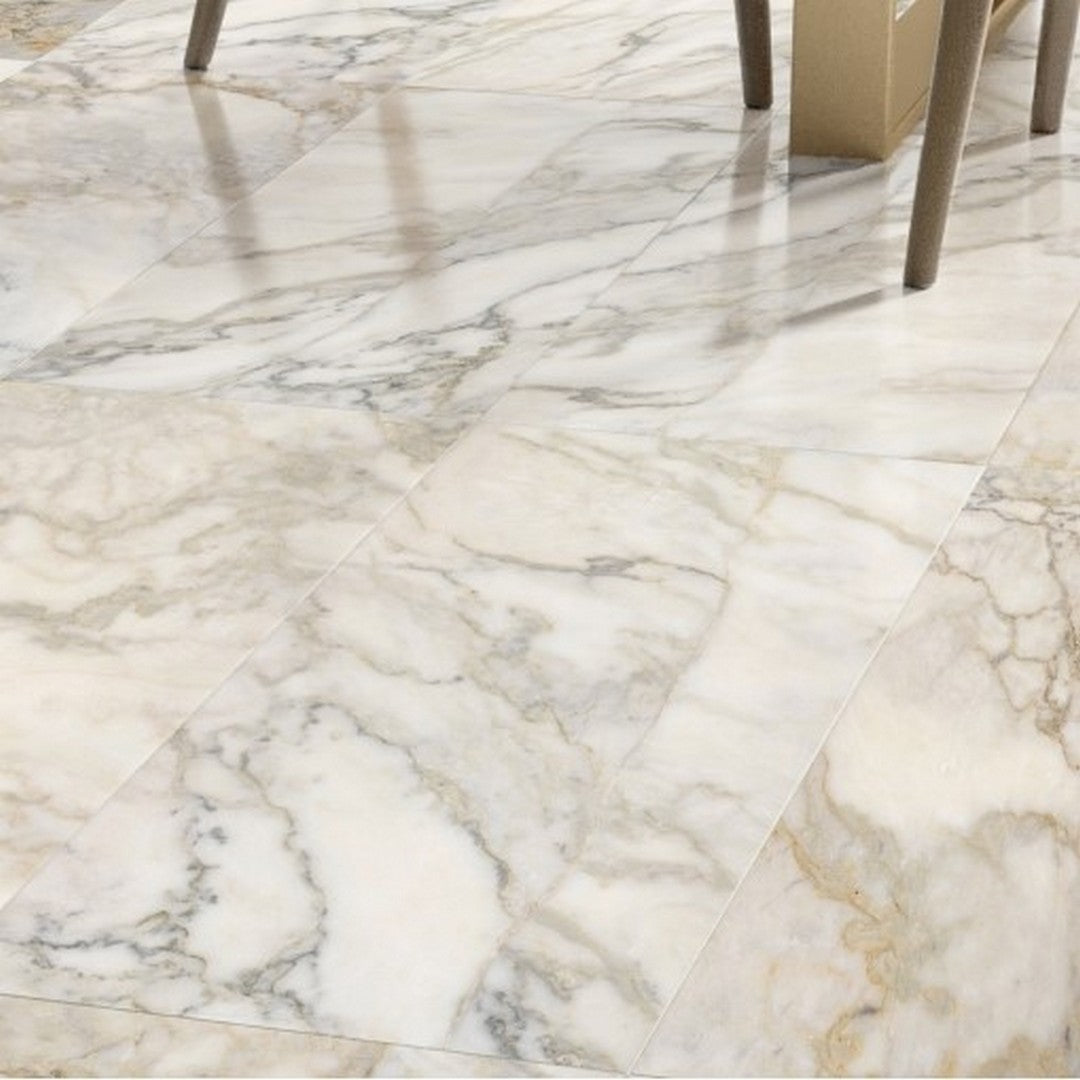
Natural stone floor tile brings real variation, texture, and depth to a space. Marble, slate, granite, travertine, and limestone each have a different surface character. Marble feels refined and classic. Slate adds texture and darker movement. Granite offers a harder natural surface. Travertine and limestone bring warmer, softer tones.
Stone floor tile can work beautifully in entryways, kitchens, bathrooms, living rooms, patios, fireplaces, and commercial interiors, but it needs more care than porcelain or ceramic. Many natural stone tiles may require sealing, proper cleaning products, and more attention to staining, moisture, or surface wear.
Wood-Look and Stone-Look Floor Tiles
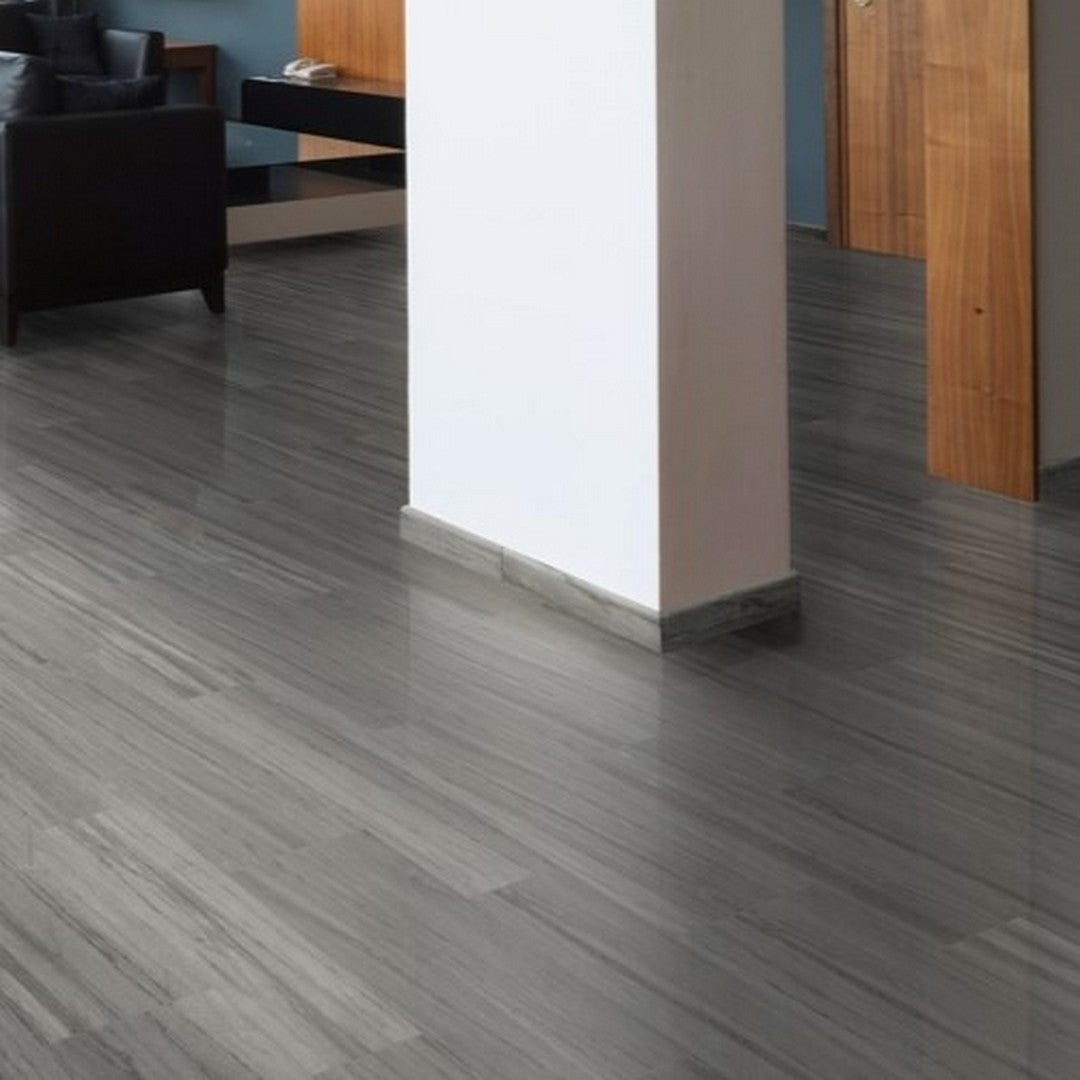
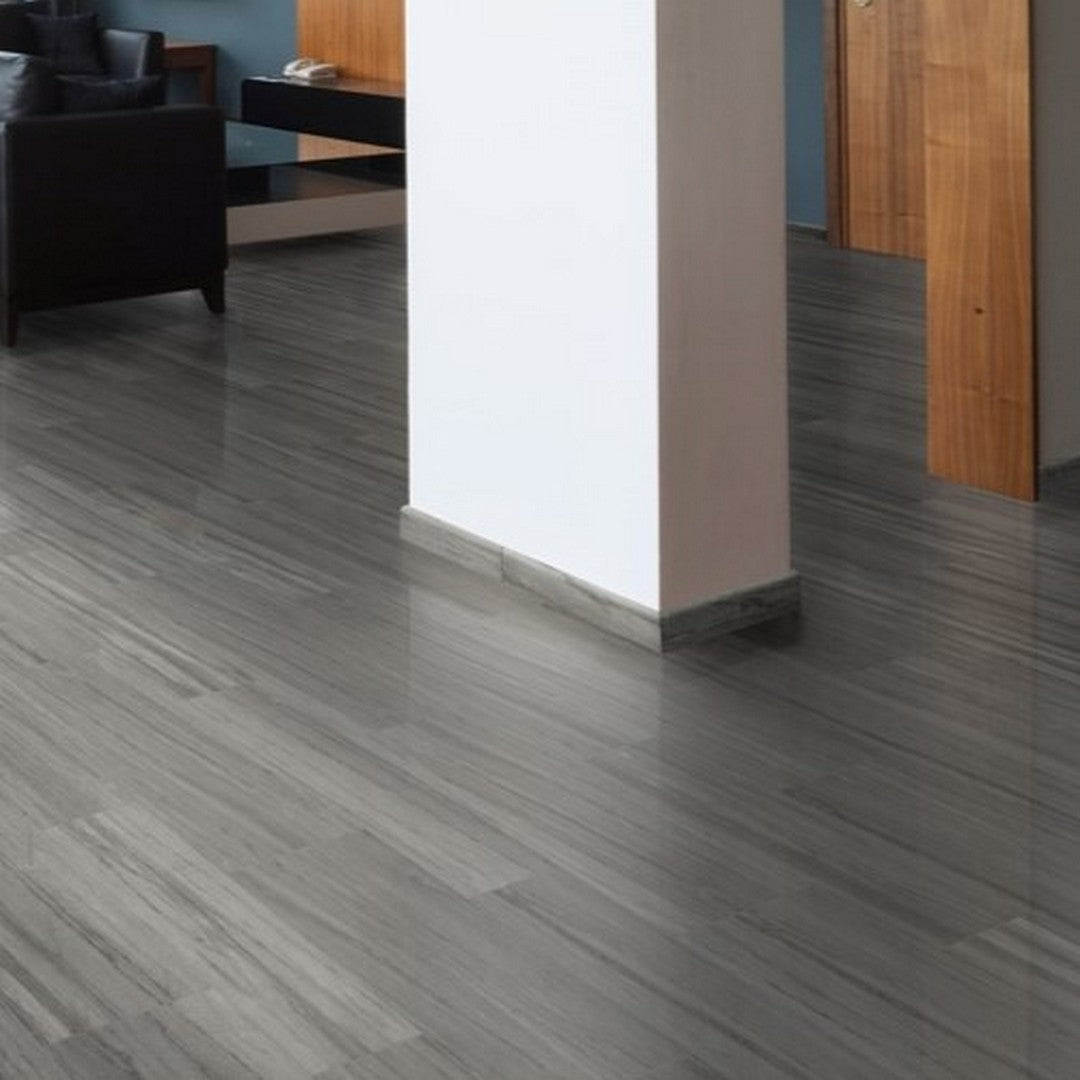
Wood-look floor tile is a good option when you want the warmth of hardwood with better resistance to moisture, scratches, and daily cleaning. It works well in kitchens, bathrooms, basements, laundry rooms, and open living areas where real wood may not be practical.
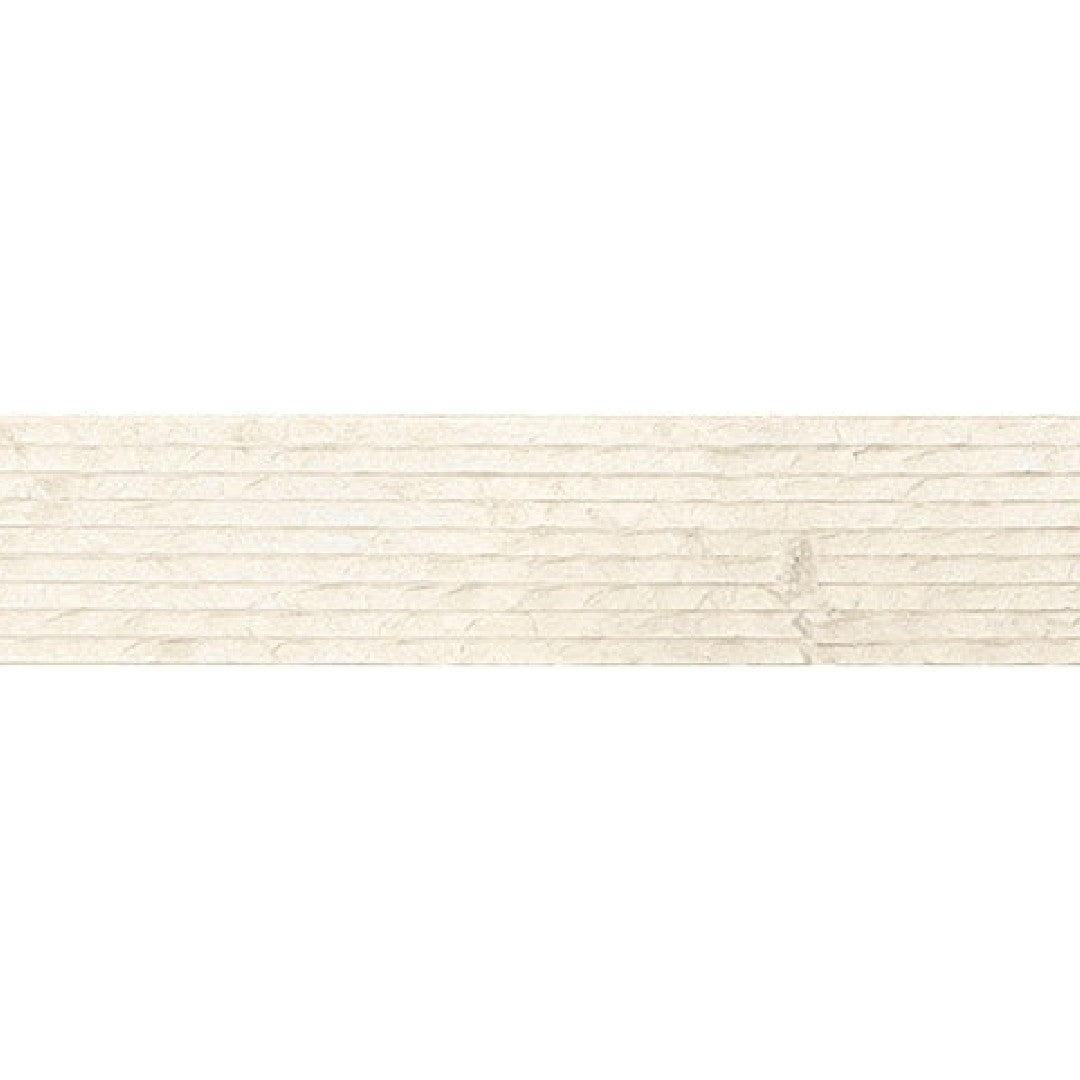
Stone-look floor tile gives the appearance of limestone, slate, marble, concrete, or natural stone without the same maintenance needs as real stone. It is useful for modern homes, bathrooms, patios, commercial spaces, and neutral interiors where the floor needs texture without feeling too busy.
Quarry, Slate, and Textured Floor Tiles
Quarry tile is a strong choice for areas that need a rugged, practical surface. It is often used in mudrooms, patios, kitchens, utility areas, commercial kitchens, and rustic-style spaces. Its dense body and textured surface make it useful where performance matters more than decoration.
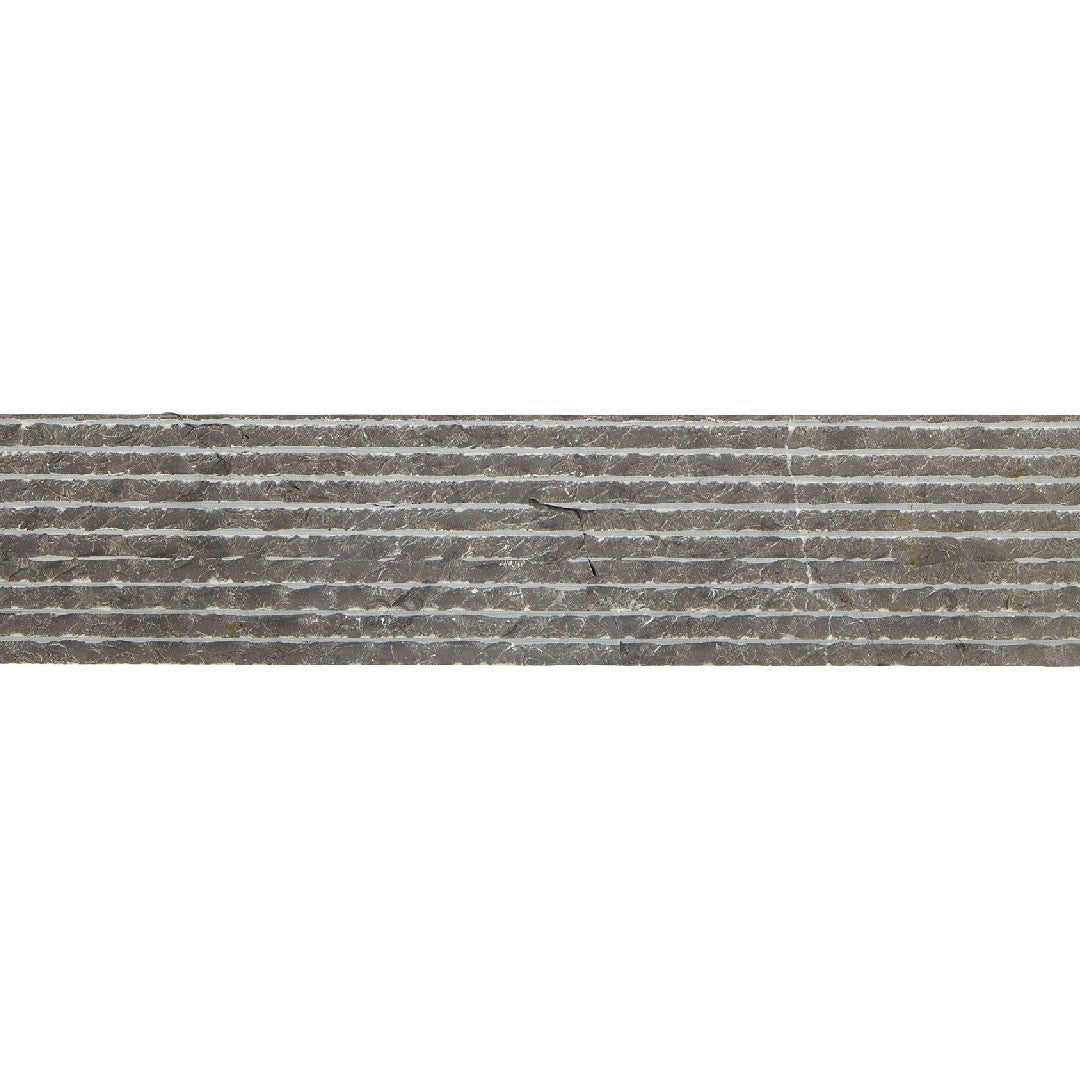
Slate floor tile has a layered natural texture and works well in entryways, patios, fireplaces, bathrooms, and spaces that need a more grounded look. Textured floor tiles in general are useful in areas where grip matters, including bathrooms, laundry rooms, covered outdoor areas, and commercial floors.
For outdoor or wet areas, always choose tile that is rated for that installation.
Vinyl Tile Options
Vinyl tile can be a practical flooring option when comfort, water resistance, and simple maintenance matter. It feels softer underfoot than ceramic, porcelain, or stone and can work well in basements, kitchens, laundry rooms, family rooms, and budget-conscious renovations.
Vinyl tile should be treated differently from ceramic or porcelain tile because it has different installation needs, durability behavior, and surface feel. It is a good option for buyers who want easier upkeep and a warmer step, but it may not provide the same hard-surface feel or long-term performance as porcelain or natural stone.
Floor Tile Ideas by Room
Kitchen floor tiles should be easy to clean, durable, and able to handle spills, grease, chairs, dropped items, and daily movement. Porcelain, ceramic, stone-look, and textured tiles are common choices for kitchens.
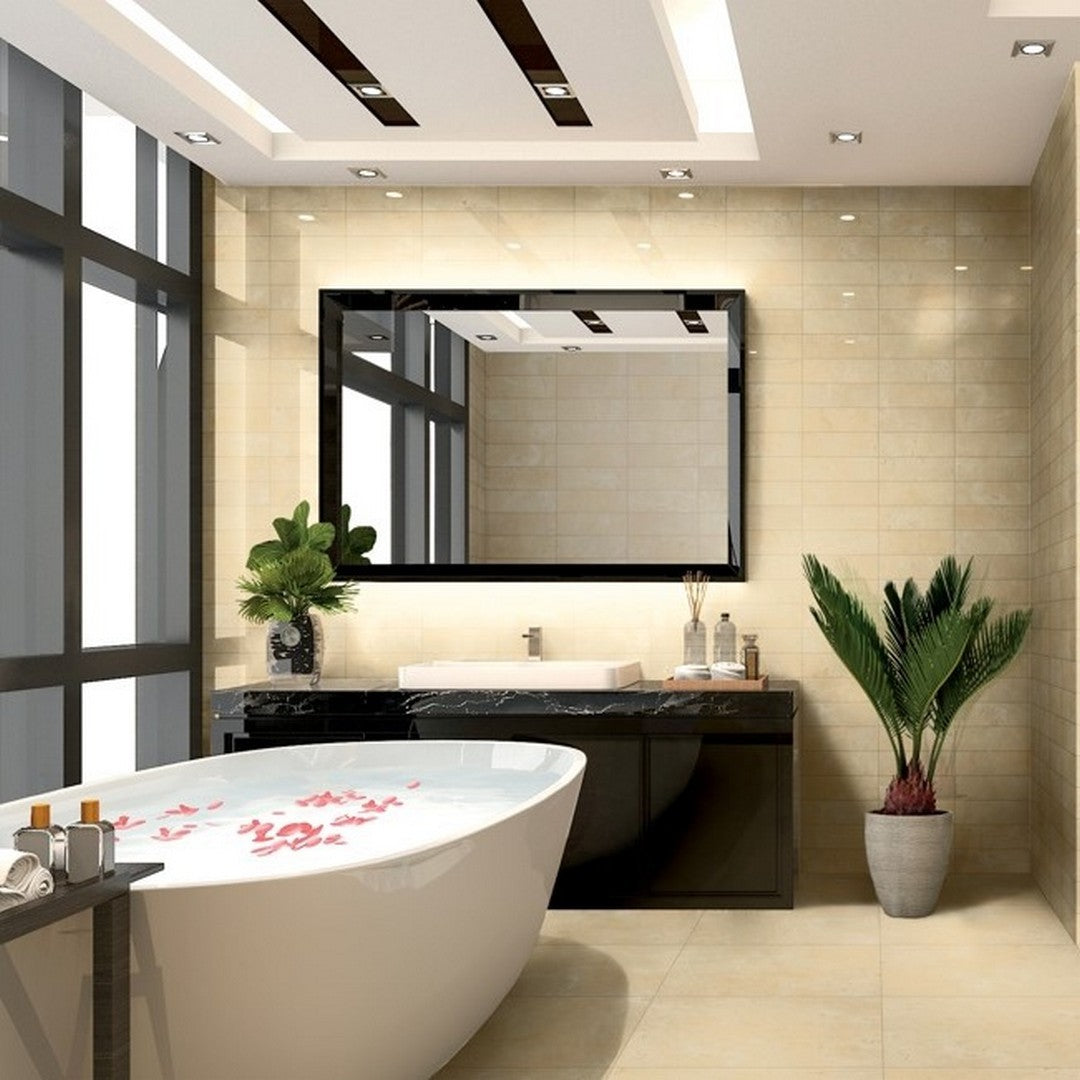
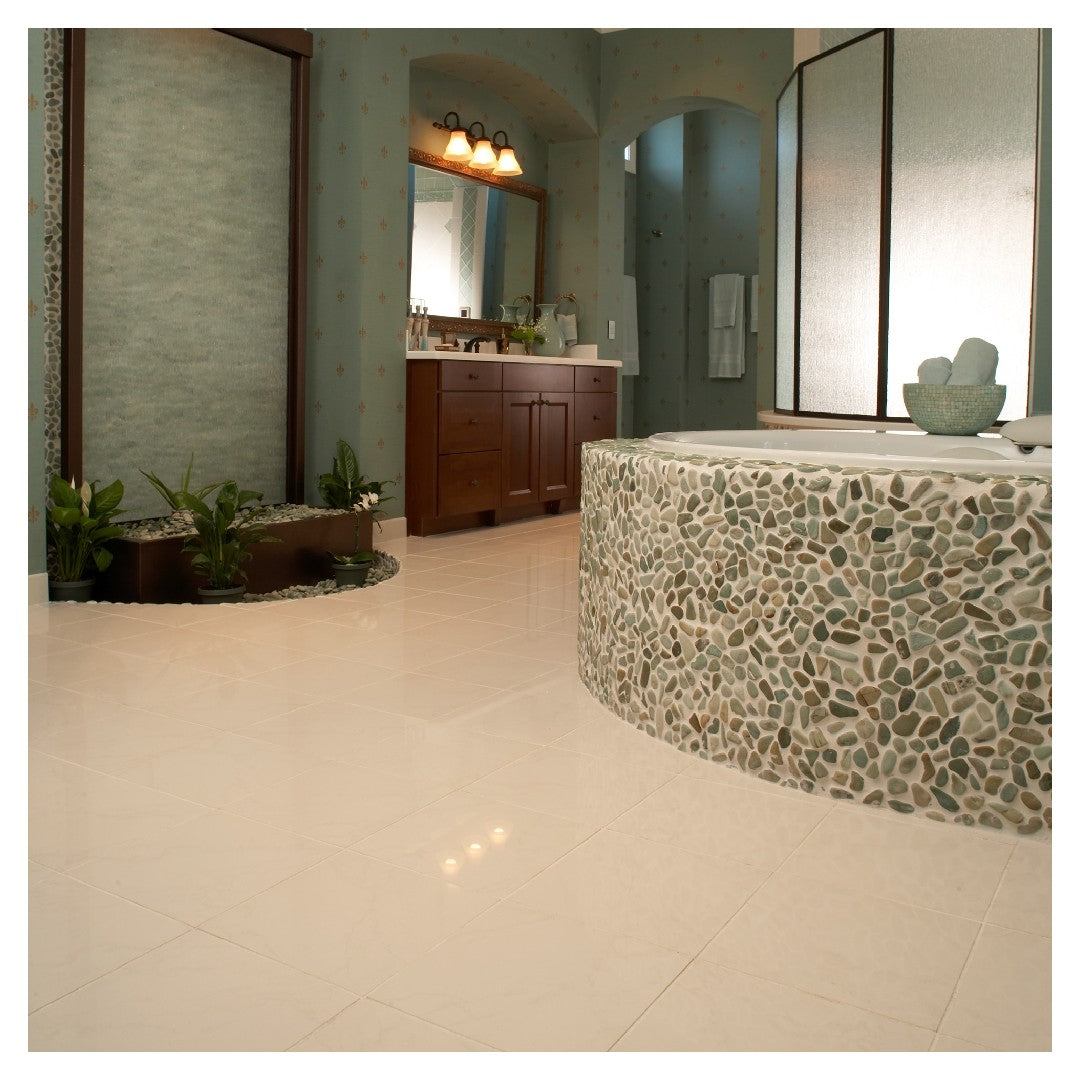
Bathroom floor tiles need moisture resistance and the right surface feel. Matte, lightly textured, porcelain, ceramic, and mosaic tiles are often practical options. For shower floors, smaller mosaics usually work better because they follow the slope more easily and provide more grout-line grip.
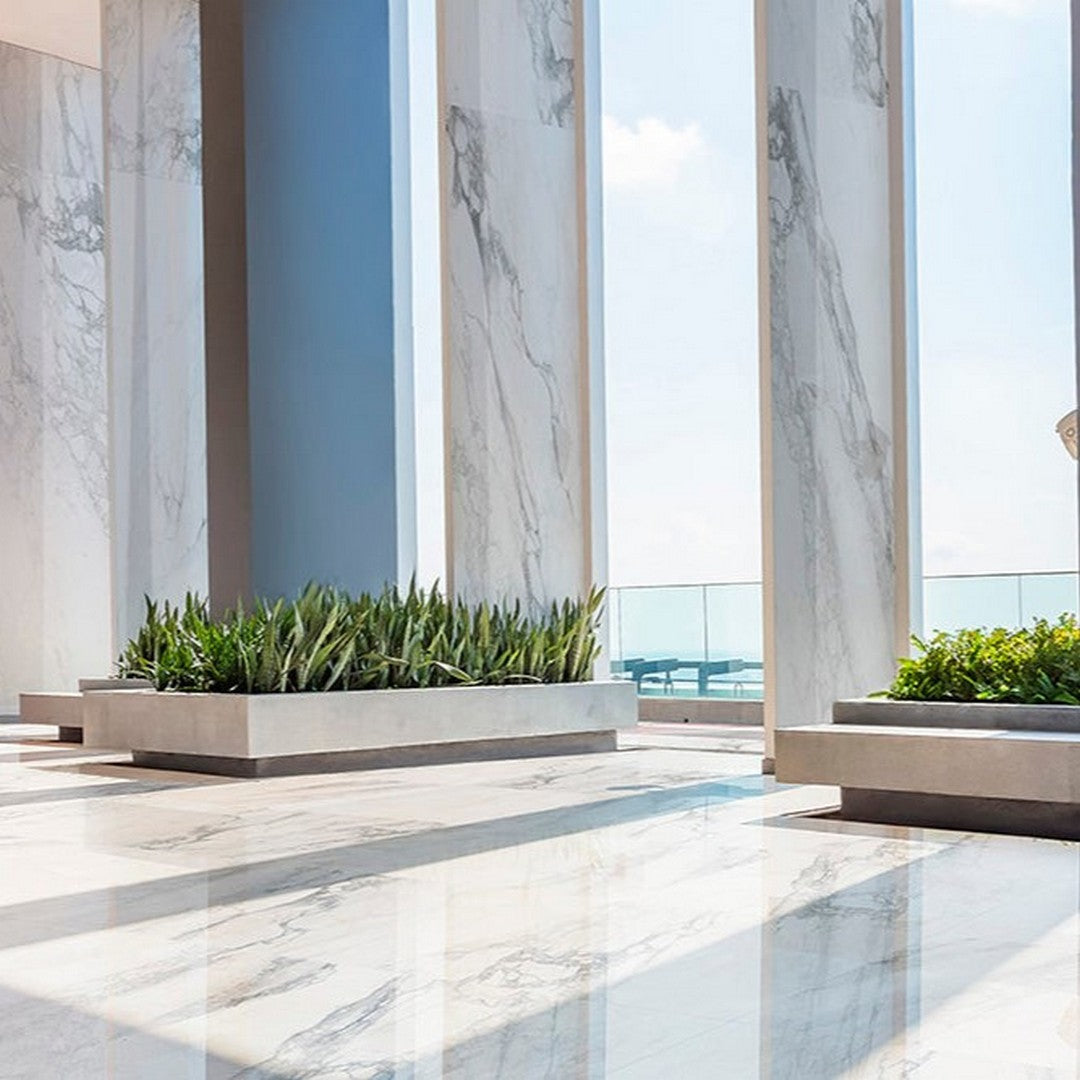
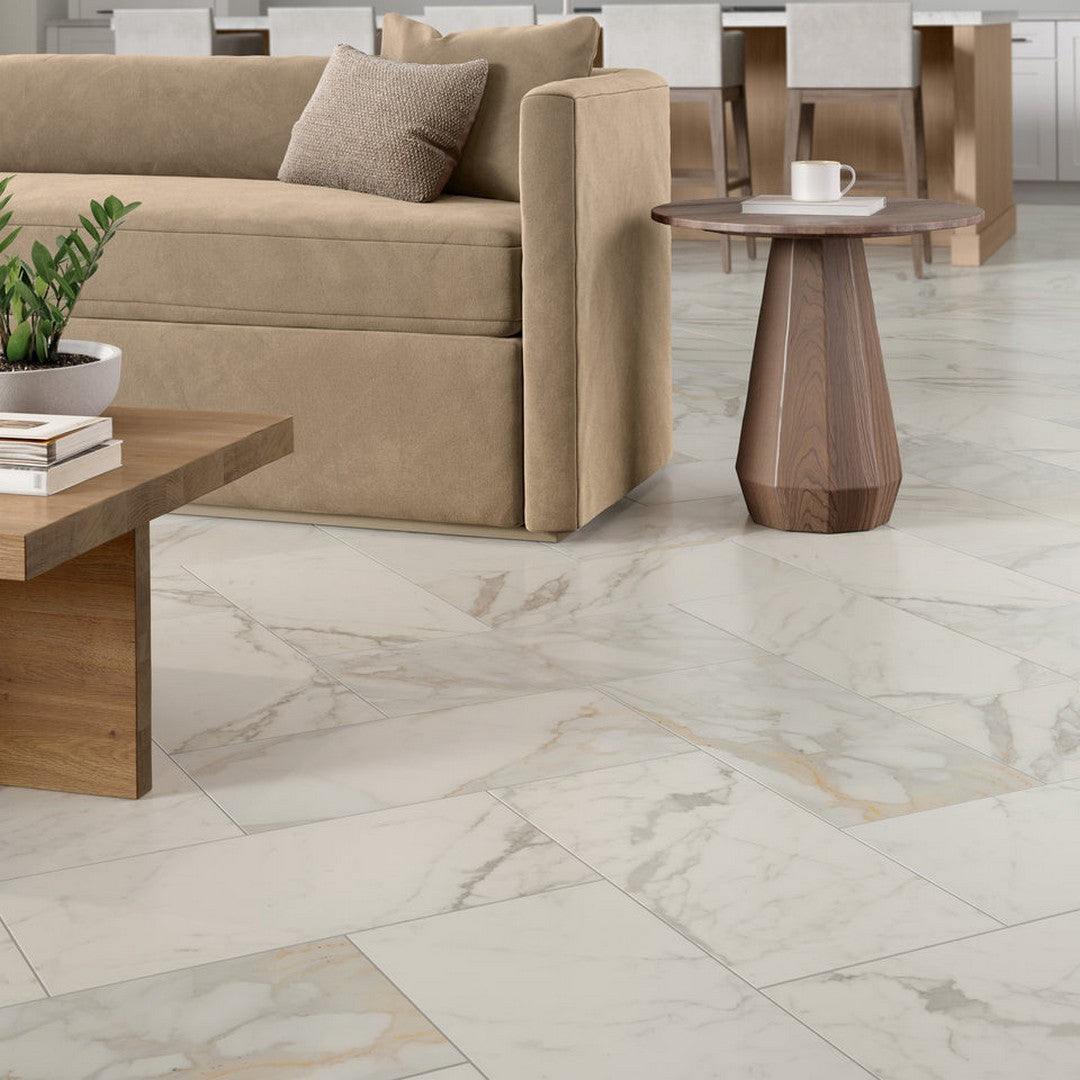
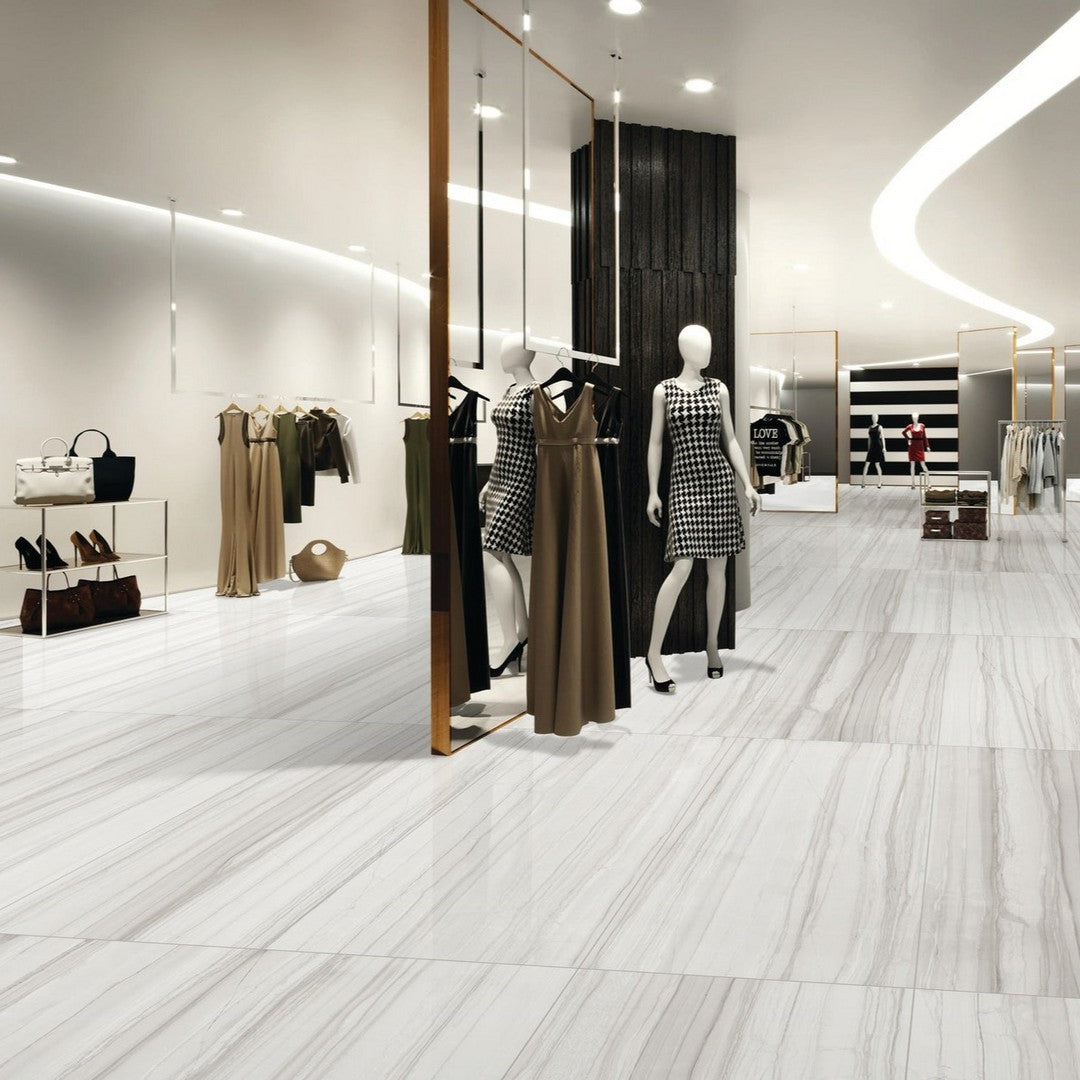
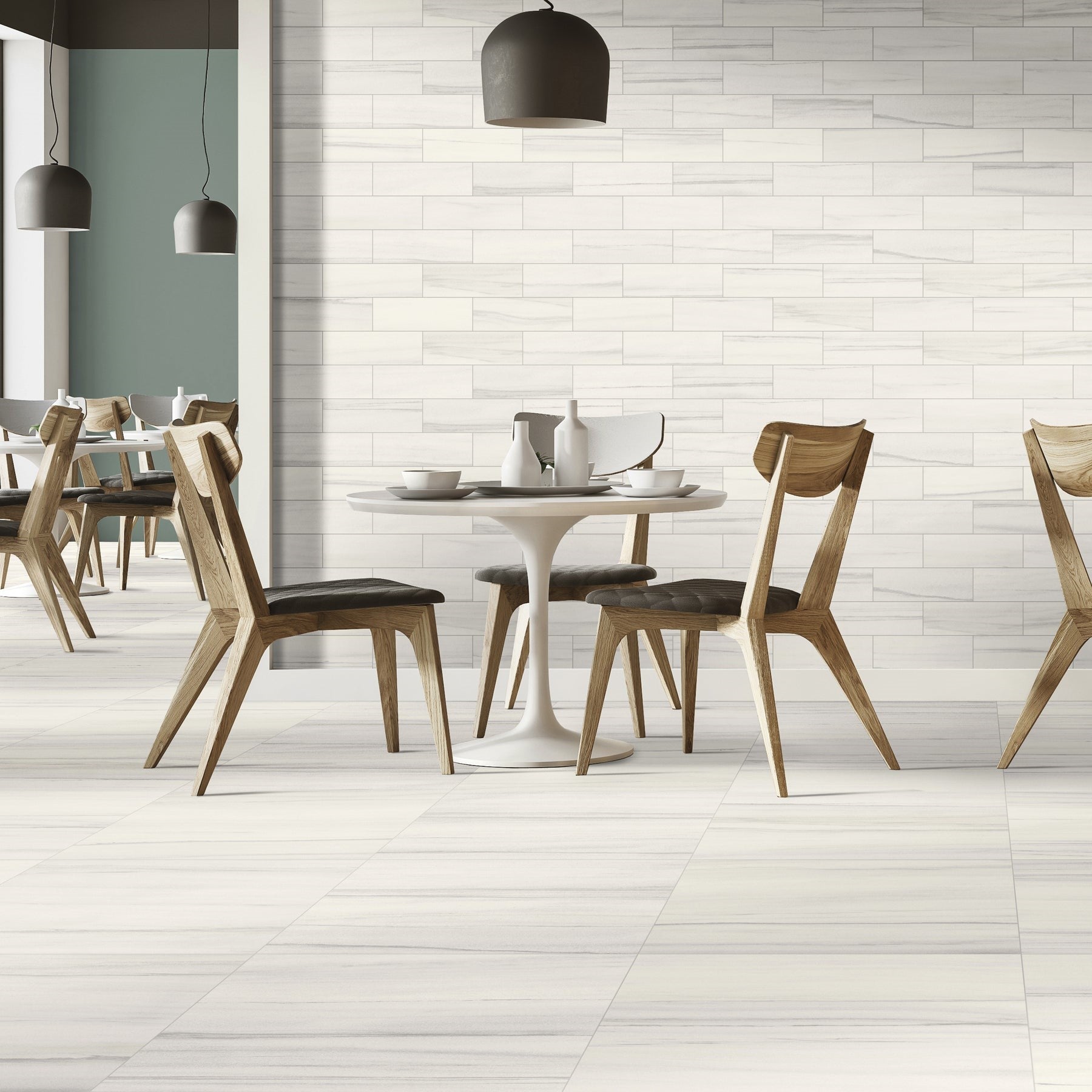
Living room floor tiles can make the space feel open, clean, and connected. Large-format porcelain, stone-look tile, marble-look tile, and wood-look tile are useful when the floor needs to feel more finished and less divided.
Basement floor tiles should be chosen with moisture in mind. Porcelain and vinyl tile are often practical choices because they can handle damp conditions better than many traditional flooring materials.
Outdoor floor tiles need the right rating for exterior use, slip resistance, and temperature changes. Outdoor-rated porcelain, quarry tile, slate, and some stone-look tiles can work well for patios, balconies, covered entries, and walkways.
Floor Tile Sizes, Patterns, and Finishes
Floor tiles come in many sizes, from small mosaics to large-format tiles such as 12x24, 24x24, 24x48, and larger formats. Smaller tiles add more grout lines and grip, which can be useful in showers and wet areas. Larger tiles create a cleaner, more continuous surface and can make open spaces feel wider and calmer.
Matte finishes create a softer, low-glare look and work well in many floor areas. Polished finishes reflect more light and can make a space feel brighter, but they should be chosen carefully in wet or high-traffic areas. Textured finishes add more surface feel and are often better for bathrooms, entryways, mudrooms, patios, and commercial spaces.
Popular layouts include straight stack, offset, herringbone, basketweave, checkerboard, and mixed-size patterns. The right layout depends on the tile size, room shape, grout color, and the visual direction you want the floor to create.
Choosing the Right Floor Tile
Before choosing floor tile, think about the room first. A bathroom floor needs different performance than a living room floor. A kitchen floor needs easier cleaning than a formal wall tile. A patio needs a tile that can handle outdoor conditions. A commercial floor needs stronger durability and a finish that can handle heavier foot traffic.
Also consider maintenance. Porcelain and ceramic are usually easier to clean. Natural stone offers more character but may need sealing and careful products. Vinyl tile is softer and simple to maintain, but it performs differently from hard tile. Textured surfaces can improve grip, but some textures may need more cleaning attention.
The best floor tile is not always the most expensive option. It is the tile that fits the room, traffic level, moisture exposure, cleaning routine, design style, and installation needs.
Floor Tile Prices and Options
This floor tile collection includes products across different materials, finishes, sizes, colors, and price points. Browse porcelain, ceramic, natural stone, marble, slate, quarry, wood-look, stone-look, and vinyl tile options for residential and commercial spaces.
Whether the project needs a durable kitchen floor, a bathroom tile with better grip, a large-format living room floor, a natural stone entryway, or an outdoor-rated patio surface, this collection gives you practical options for real spaces and long-term use.
FAQs
Q) What is the most durable tile for floors?
A) Porcelain tile is usually one of the most durable floor tile options. It is dense, water-resistant, and suitable for many high-traffic areas when rated for the installation.
Q) Are floor tiles good for bathrooms?
A) Yes, floor tiles can work very well in bathrooms. Porcelain, ceramic, and mosaics are common choices. For wet areas, choose a finish with suitable slip resistance and make sure the tile is rated for bathroom use.
Q) Can floor tiles be used outdoors?
A) Some floor tiles can be used outdoors, but not all. Choose outdoor-rated porcelain, quarry tile, slate, or suitable natural stone with the right slip resistance and weather rating.
Q) Do floor tiles need sealing?
A) Porcelain and ceramic tiles usually do not need sealing. Natural stone tiles such as marble, limestone, travertine, and some slate may need sealing depending on the product and installation.
Q) What floor tile is easiest to maintain?
A) Porcelain and ceramic floor tiles are usually the easiest to maintain. They clean well with regular sweeping and a suitable tile cleaner. Natural stone and textured surfaces may need more careful maintenance.