
Hardwood Floor Transition Strips
11 products
Showing 1 - 11 of 11 products


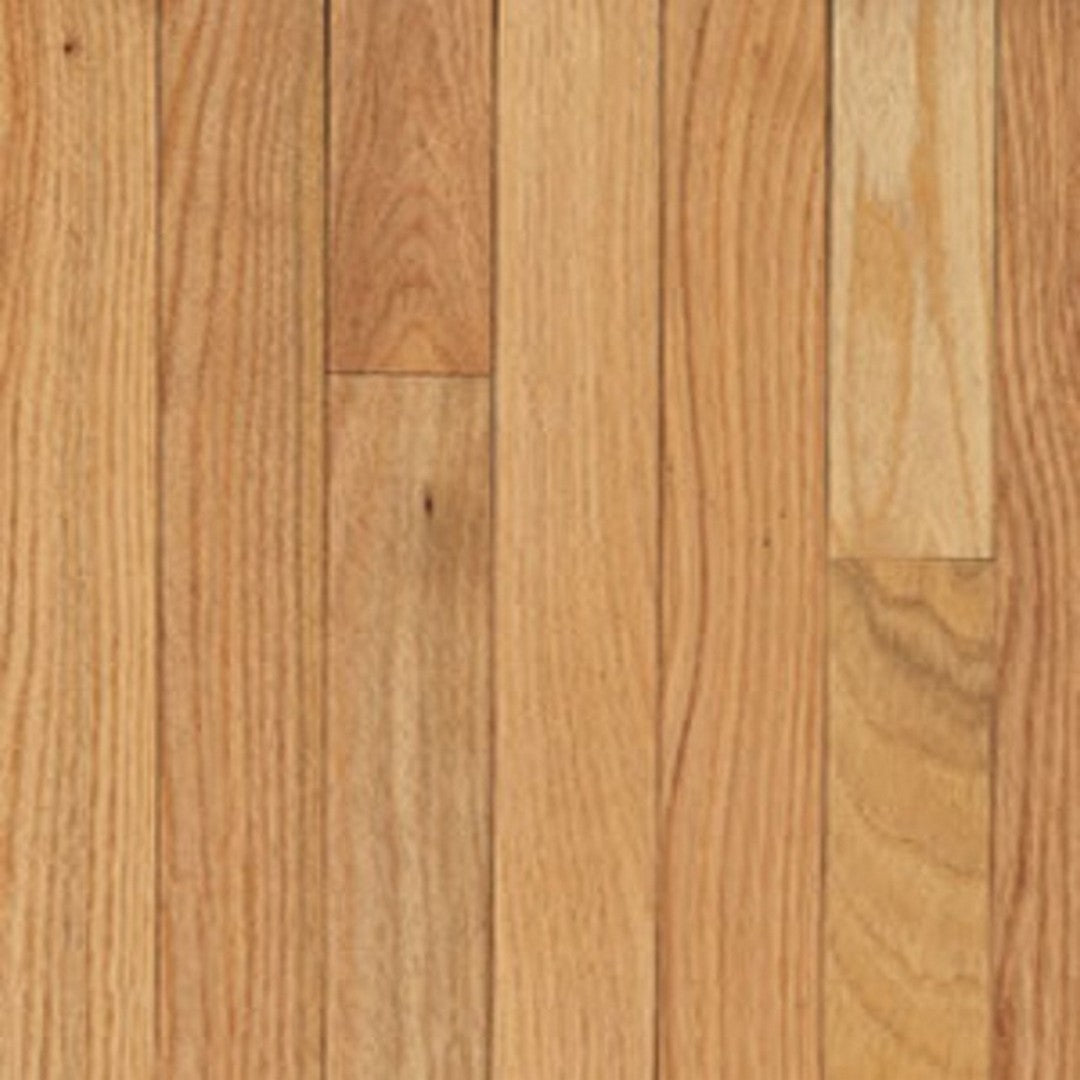
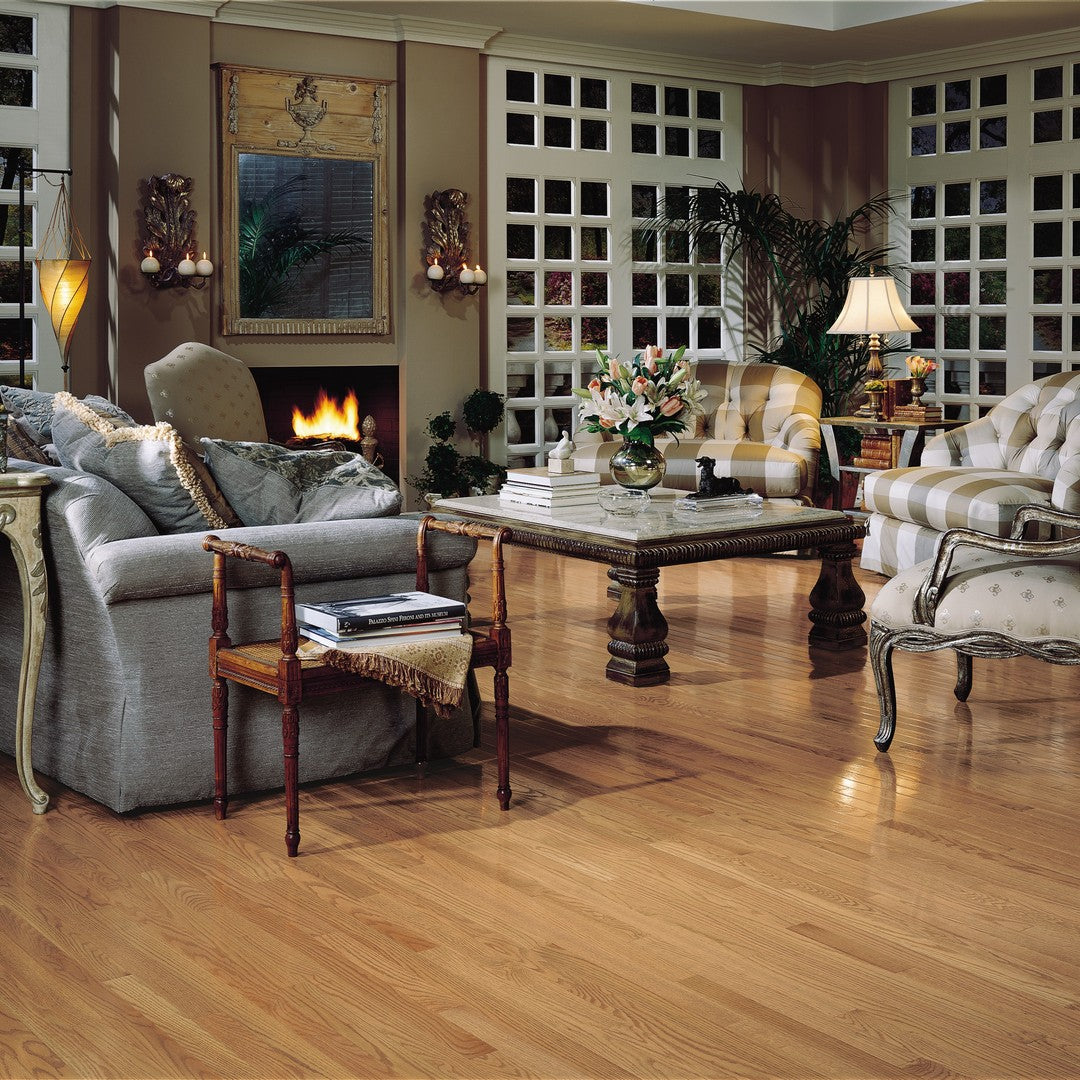
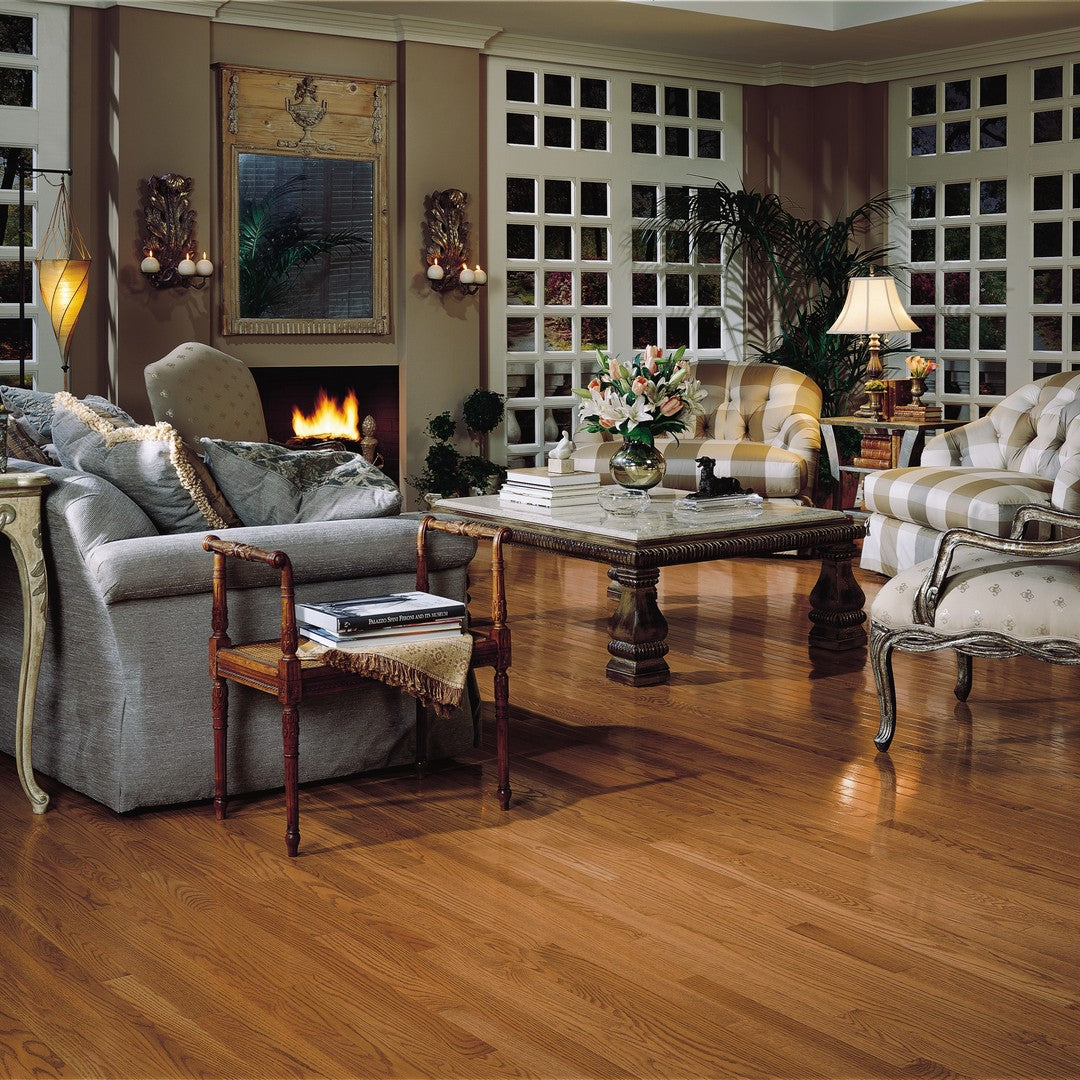
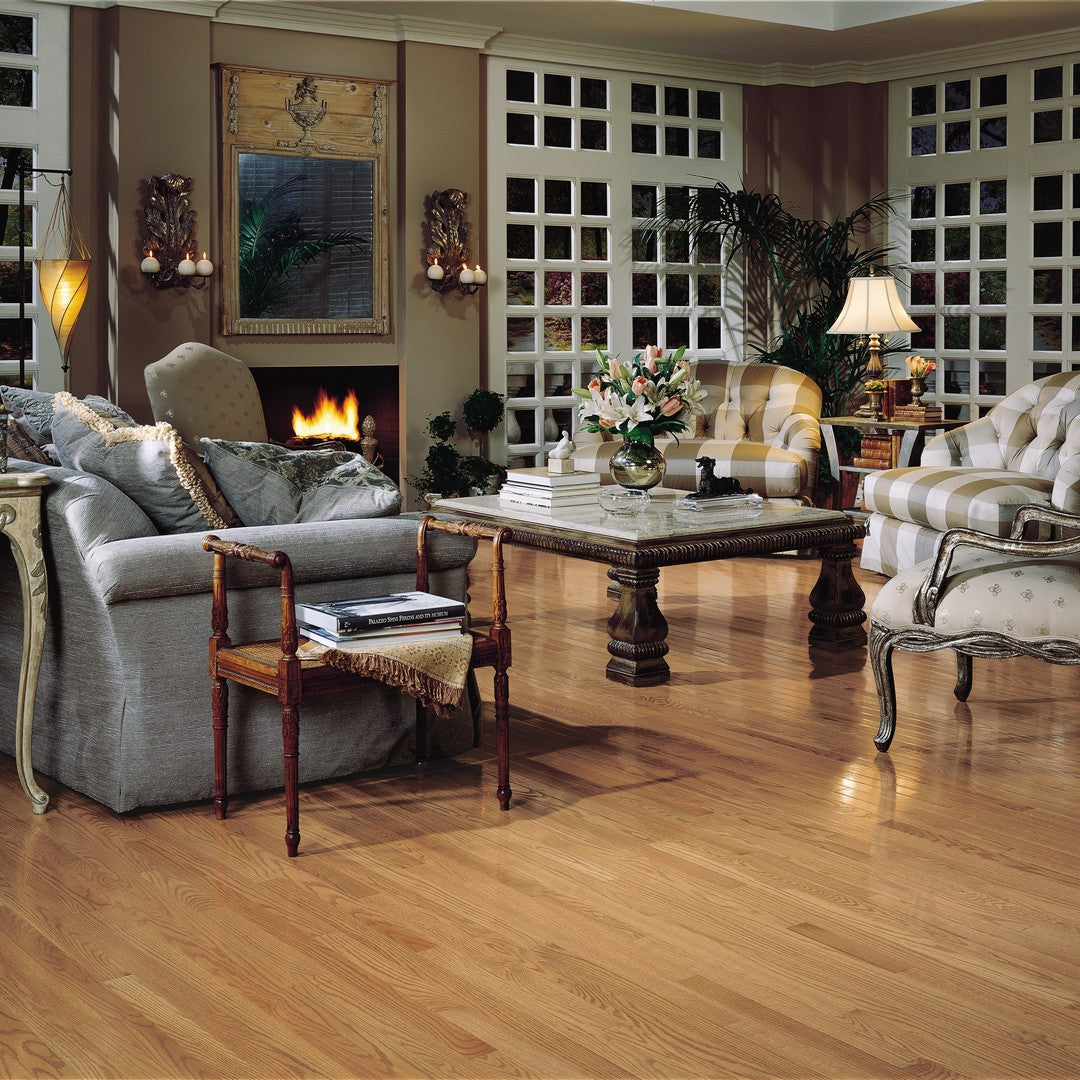
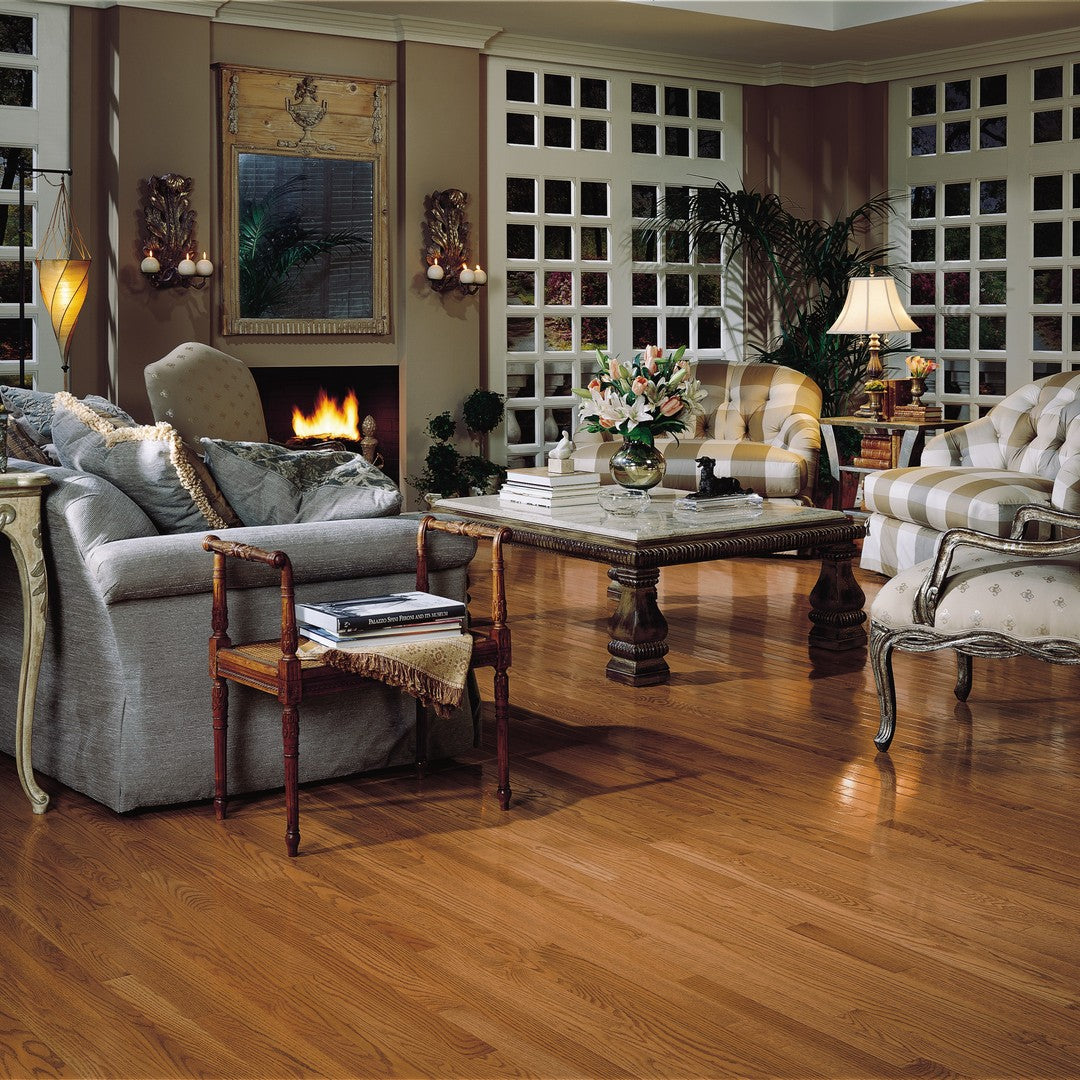
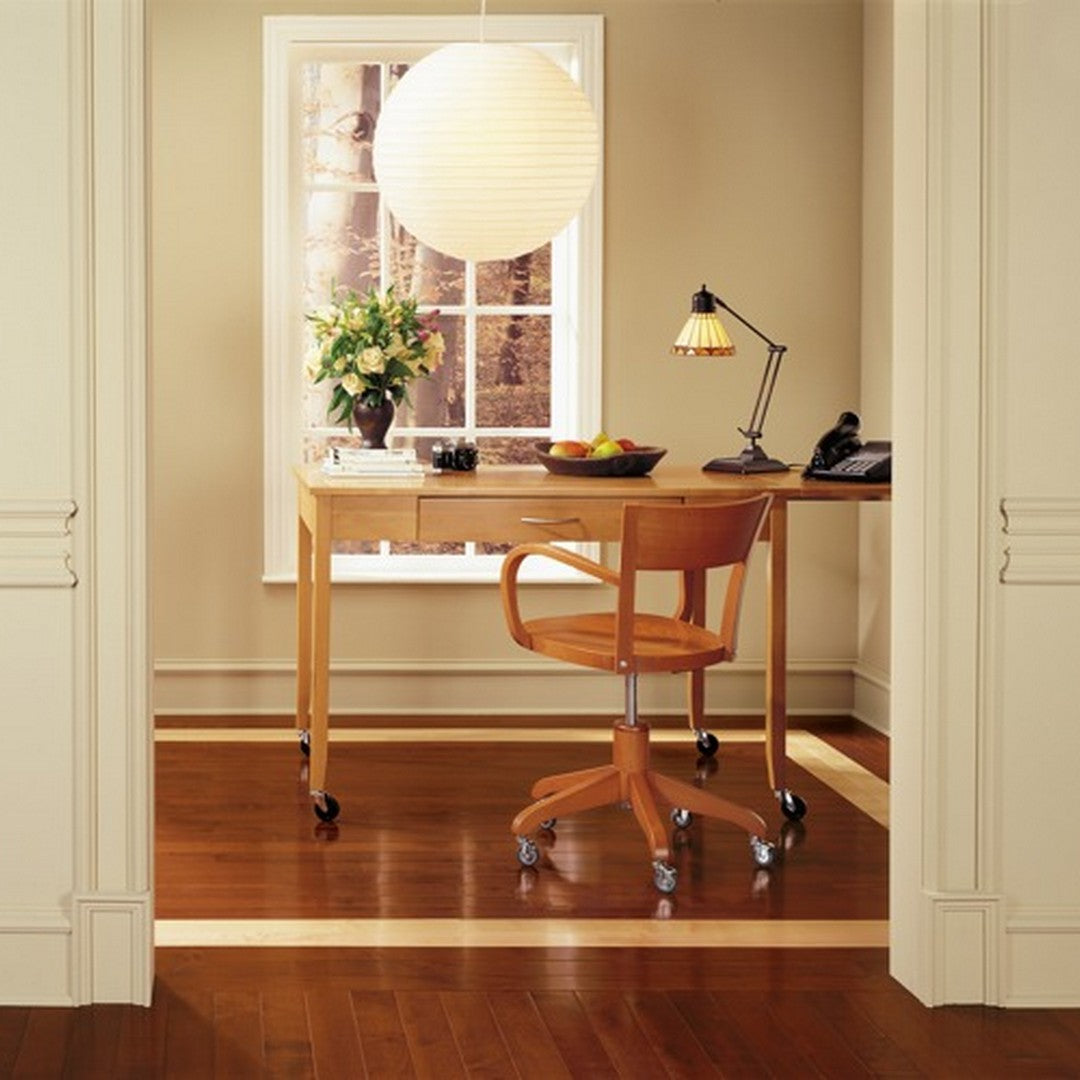
Hartco Ascot 2.25" Solid Oak Satin Hardwood Strip

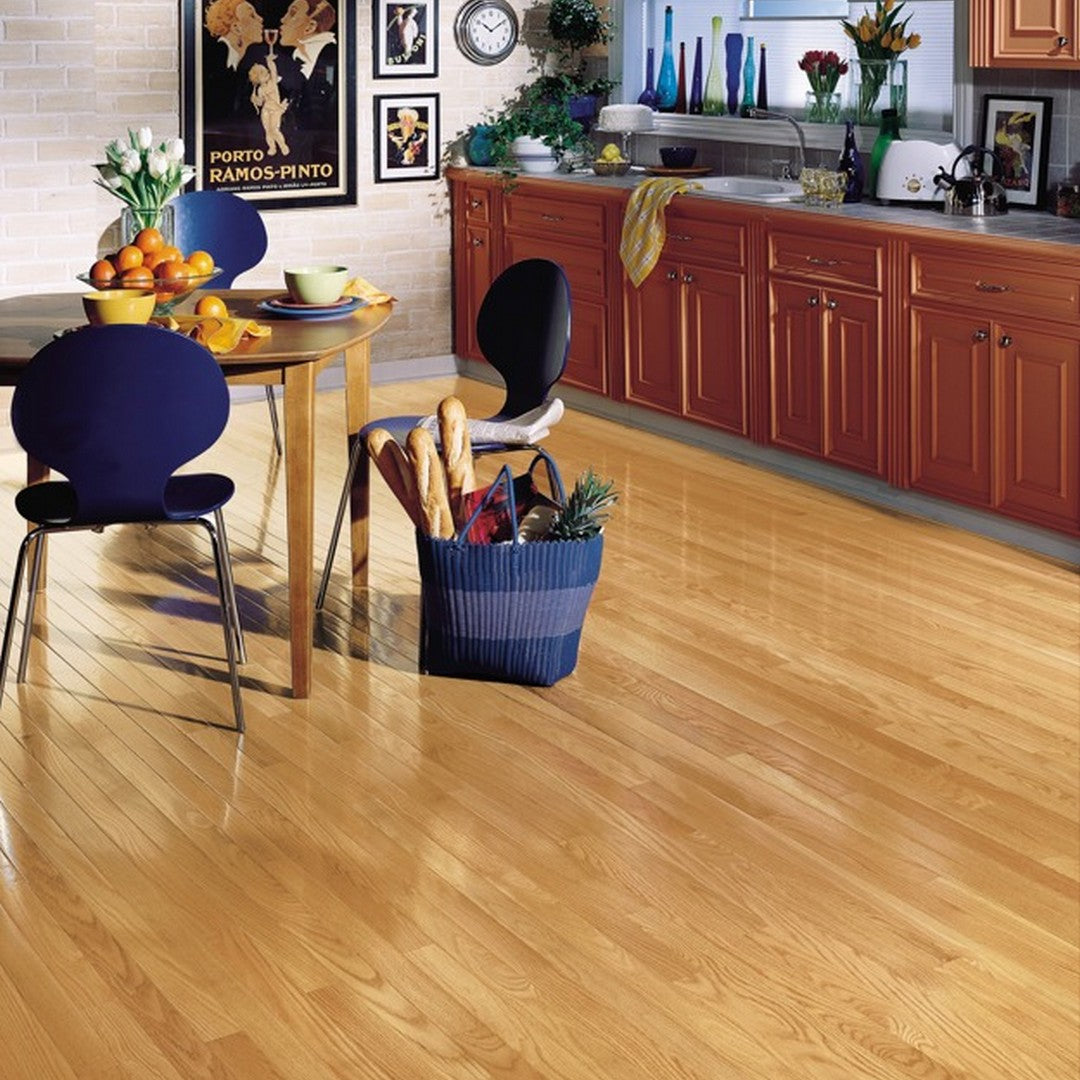
Bruce Westchester Strip 2.25" Semi-Gloss Solid Hardwood

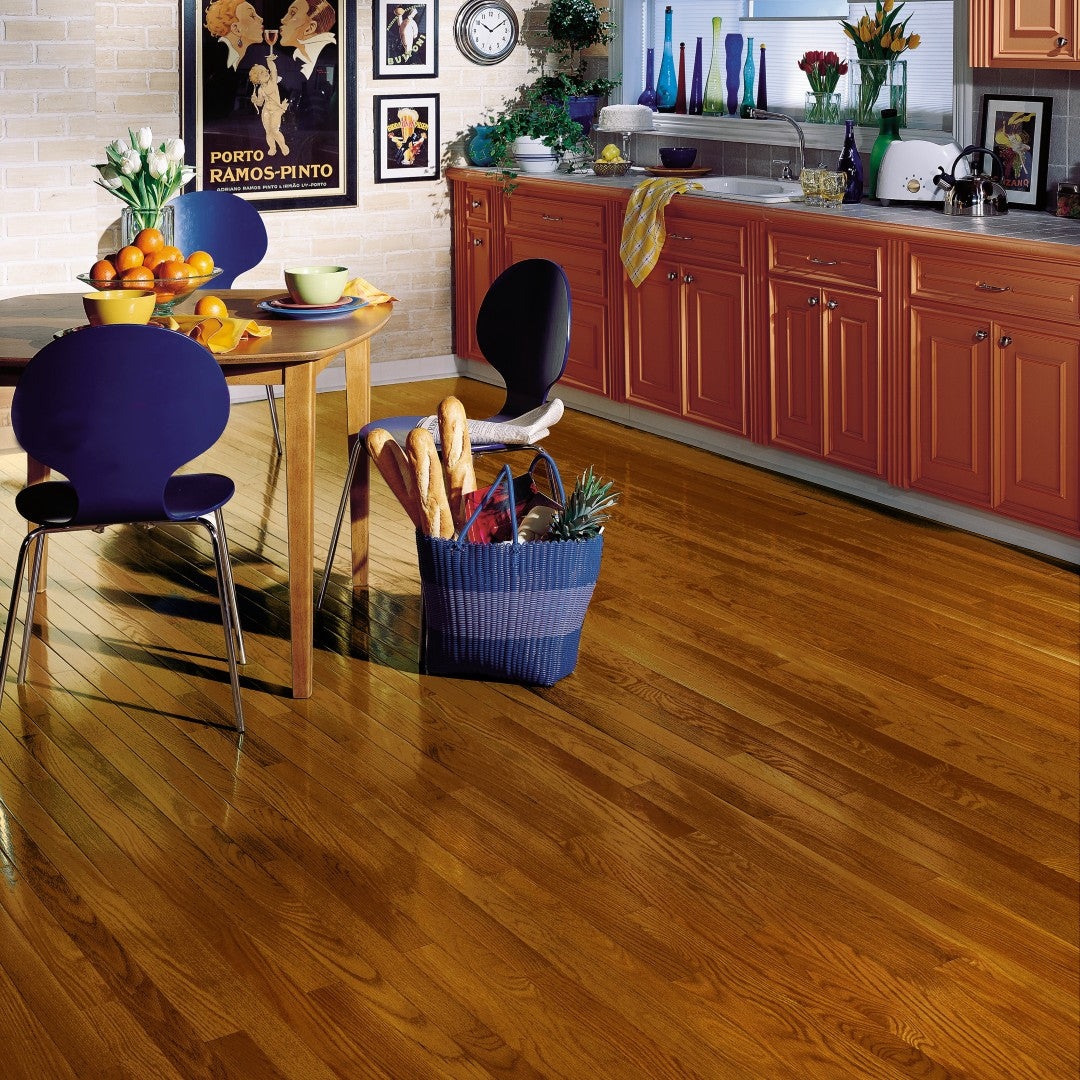
Bruce Waltham Strip 2.25" Semi-Gloss Solid Hardwood

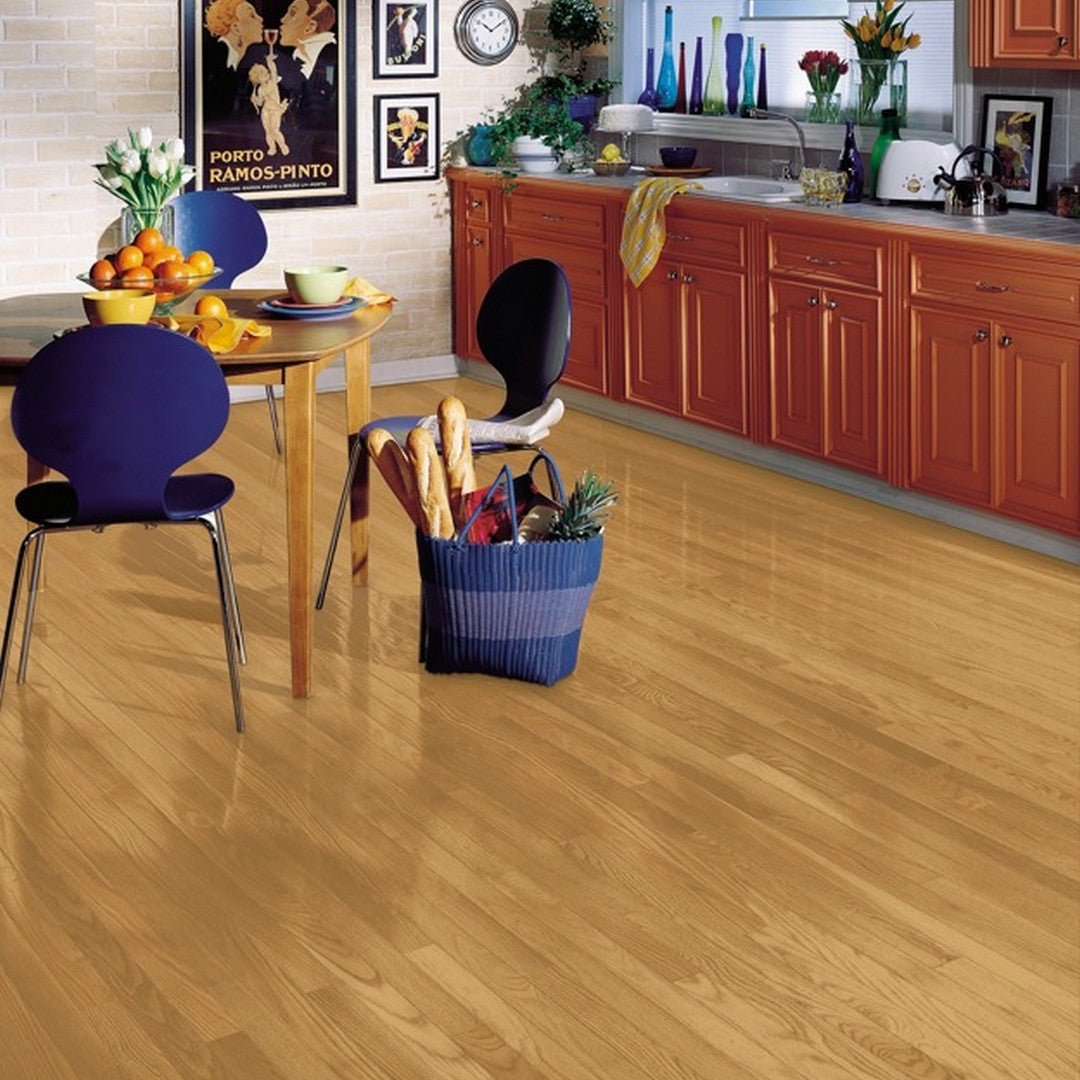
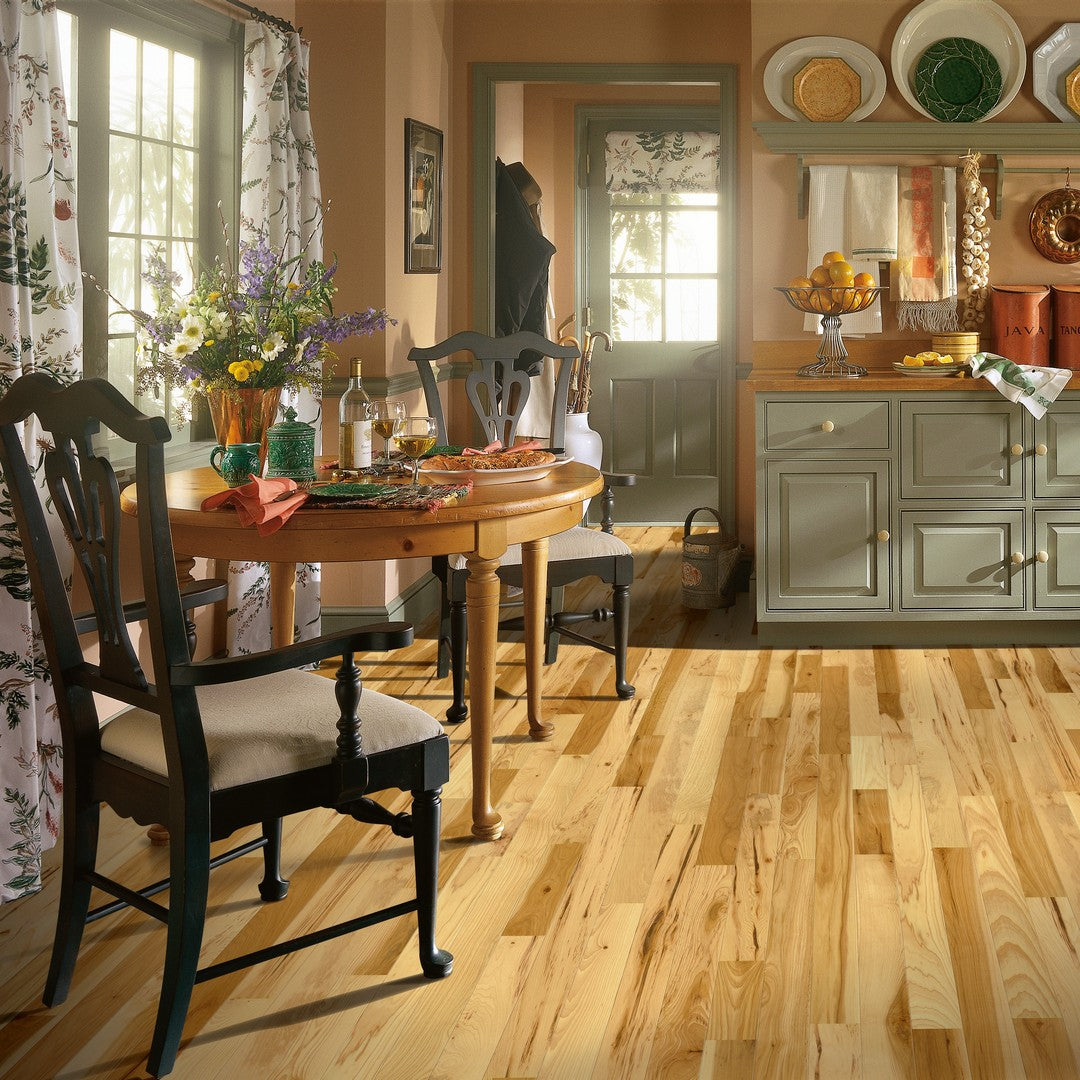
Bruce Natural Choice Strip 2.25" Low Gloss Solid Hardwood

Bruce Natural Choice Strip 2.25" High Gloss Solid Hardwood

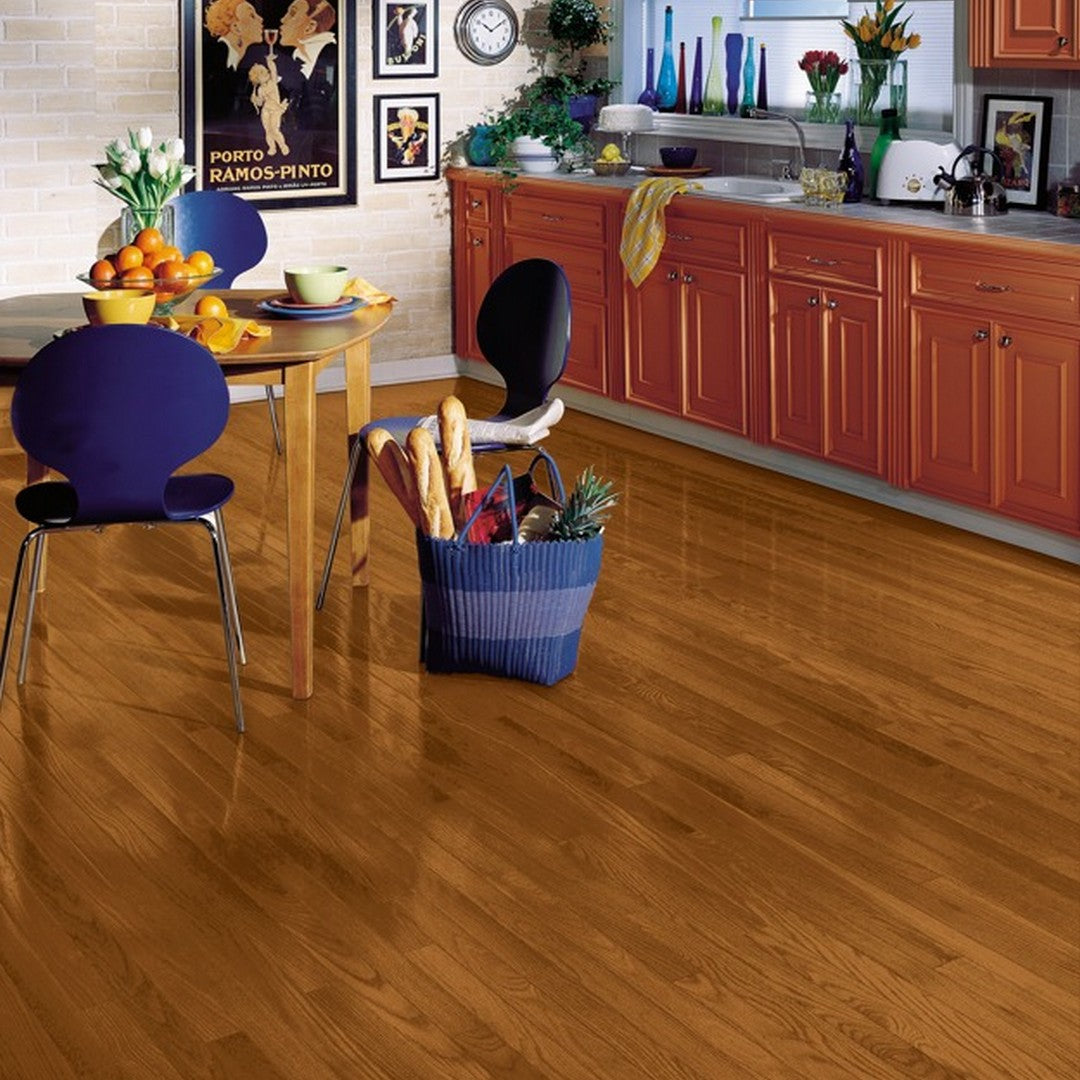
Bruce Manchester Strip 2.25" High Gloss Solid Hardwood

Bruce Kennedale Strip 2.25" Semi-Gloss Solid Hardwood

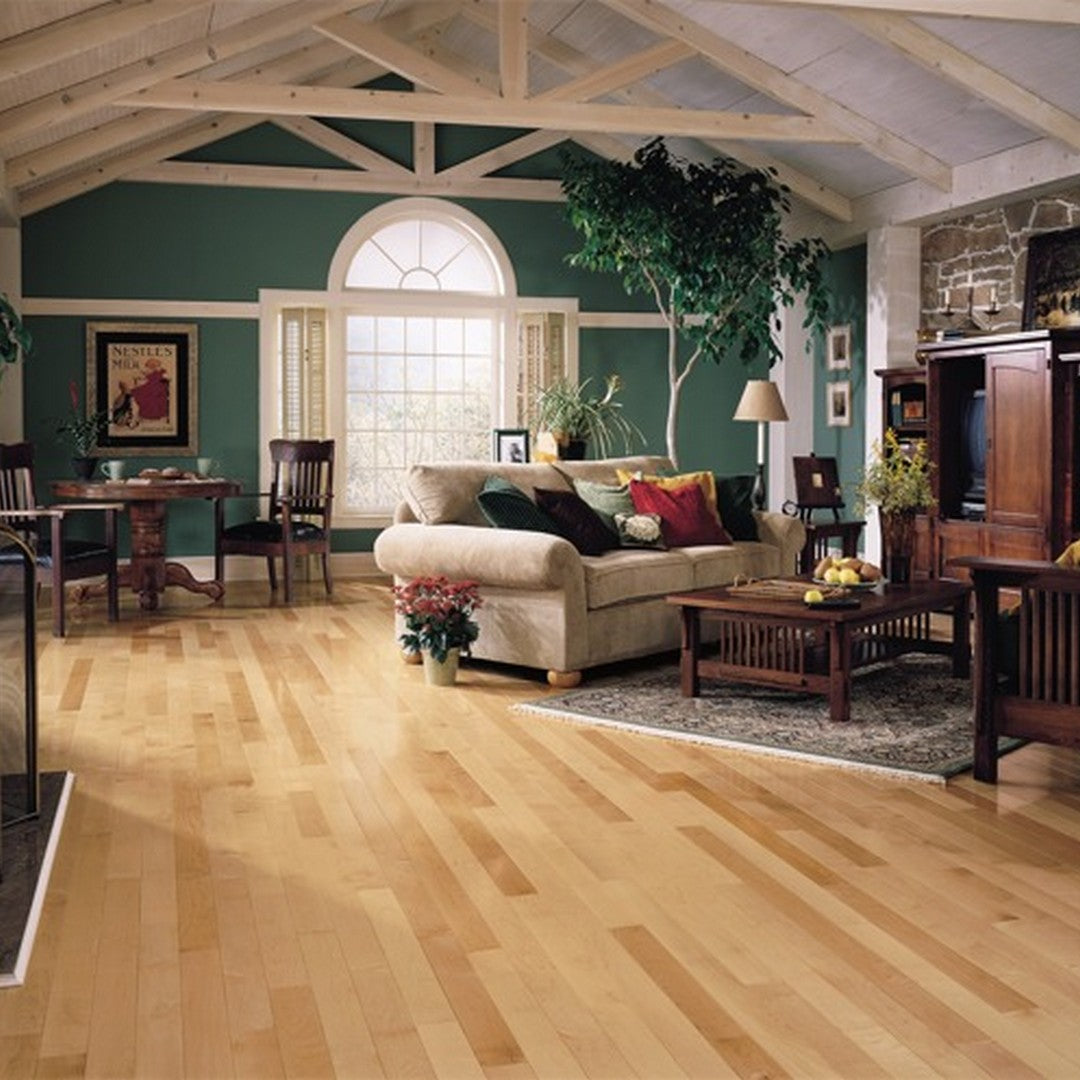
Bruce Dundee Strip 2.25" High Gloss Solid Hardwood

Bruce American Treasures 2.25" Low Gloss Solid Hardwood

Hartco Yorkshire 2.25" Solid Oak Semi-Gloss Hardwood Strip

Hartco Prime Harvest 2.25" Solid Oak Hardwood Strip Low GlossHardwood Floor Transition Strips: Seamless Connections Between Every Room
Create smooth, elegant transitions between your flooring surfaces with Hardwood Floor Transition Strips, designed to blend beauty with function.
Whether you’re connecting hardwood to tile, vinyl, or carpet, transition strips provide a clean finish, protect your flooring edges, and enhance the overall look of your space. Built for strength and designed to match your floors perfectly, these trims ensure a polished, professional result every time.
Why Transition Strips Matter
Flooring transitions do more than connect materials, they define your home’s craftsmanship. Hardwood floor transition strips:
- Bridge Different Surfaces: Create smooth connections between hardwood and tile, vinyl, or laminate floors.
- Protect Edges: Prevent chipping, lifting, or cracking where two materials meet.
- Add Visual Continuity: Blend color tones and finishes for a seamless design.
- Improve Safety: Remove uneven height gaps between flooring surfaces to prevent tripping.
- Match Your Hardwood: Available in oak, maple, hickory, walnut, and more for cohesive design flow.
Transition strips are the final touch that makes your flooring installation look truly complete.
Types of Hardwood Floor Transition Strips
Different spaces require different transition profiles, each designed to serve a functional and aesthetic purpose.
T-Molding (T-Strips)
Perfect for joining two hard surfaces of equal height, such as hardwood to tile or laminate. Provides a smooth, flush connection ideal for open-plan rooms.
Reducer Strips
Used to transition between hardwood and lower surfaces like vinyl or concrete. They create a gradual slope, maintaining both safety and visual appeal.
Threshold Molding (Baby Threshold)
Often installed at doorways or between rooms with varying floor heights. Works beautifully between hardwood and carpeted spaces.
End Caps
Finish exposed edges cleanly, great for sliding doors, fireplaces, or where wood meets vertical surfaces.
Stair Nosing
Provides a professional edge for stair treads, enhancing both appearance and grip.
Explore matching reducers, T-moldings, and stair noses from brands like Shaw, Boen, and Chesapeake Flooring, all built for long-term durability and design consistency.
Material & Finish Options
Choose hardwood transition strips in a range of species and finishes to complement your flooring:
- Oak: Classic and versatile, perfect for most hardwood installations.
- Hickory: Durable with bold grain patterns for rustic interiors.
- Maple: Smooth and subtle for contemporary designs.
- Walnut: Rich, dark tones for a luxurious finish.
Available in pre-finished or unfinished options, allowing you to stain or coat them to match your existing floor perfectly.
Where to Use Hardwood Floor Transition Strips
Transition strips are functional across every part of the home or business:
- Between Kitchen and Living Areas: For smooth transitions from tile to wood.
- At Entryways or Door Thresholds: To protect edges and create a clean division.
- Between Rooms of Different Heights: Level out uneven floors safely.
- At Stair Landings: Add grip and aesthetic continuity.
Hardwood trims give your flooring a custom finish that elevates the overall design.
Installation and Maintenance Tips
Installing hardwood transition strips is straightforward, but precision matters for a seamless result:
- Choose Matching Profiles: Align wood species and stain with your flooring type.
- Secure with Adhesive or Track System: Depending on the molding type.
- Maintain consistently: Clean with hardwood-safe cleaners to preserve color and finish.
Properly installed transition strips protect your flooring investment and maintain design flow between rooms.
FAQs
Q1: What are hardwood floor transition strips used for?
A: They bridge gaps between different flooring types or levels, ensuring safety, durability, and visual consistency.
Q2: Can transition strips be stained to match my existing floor?
A: Yes, unfinished hardwood trims can be stained or sealed to perfectly match your flooring.
Q3: Do I need a transition strip between hardwood and tile?
A: Yes, it prevents cracking at the joint and gives a professional, finished edge.
Q4: Are there waterproof transition strips available?
A: For areas like bathrooms or kitchens, use sealed hardwood or consider vinyl/metal alternatives for moisture protection.
Q5: How wide should a transition strip be?
A: Standard widths range from 1” to 2”, but custom sizes are available for unique floor heights.