
Oak Wood
437 products
Showing 433 - 437 of 437 products


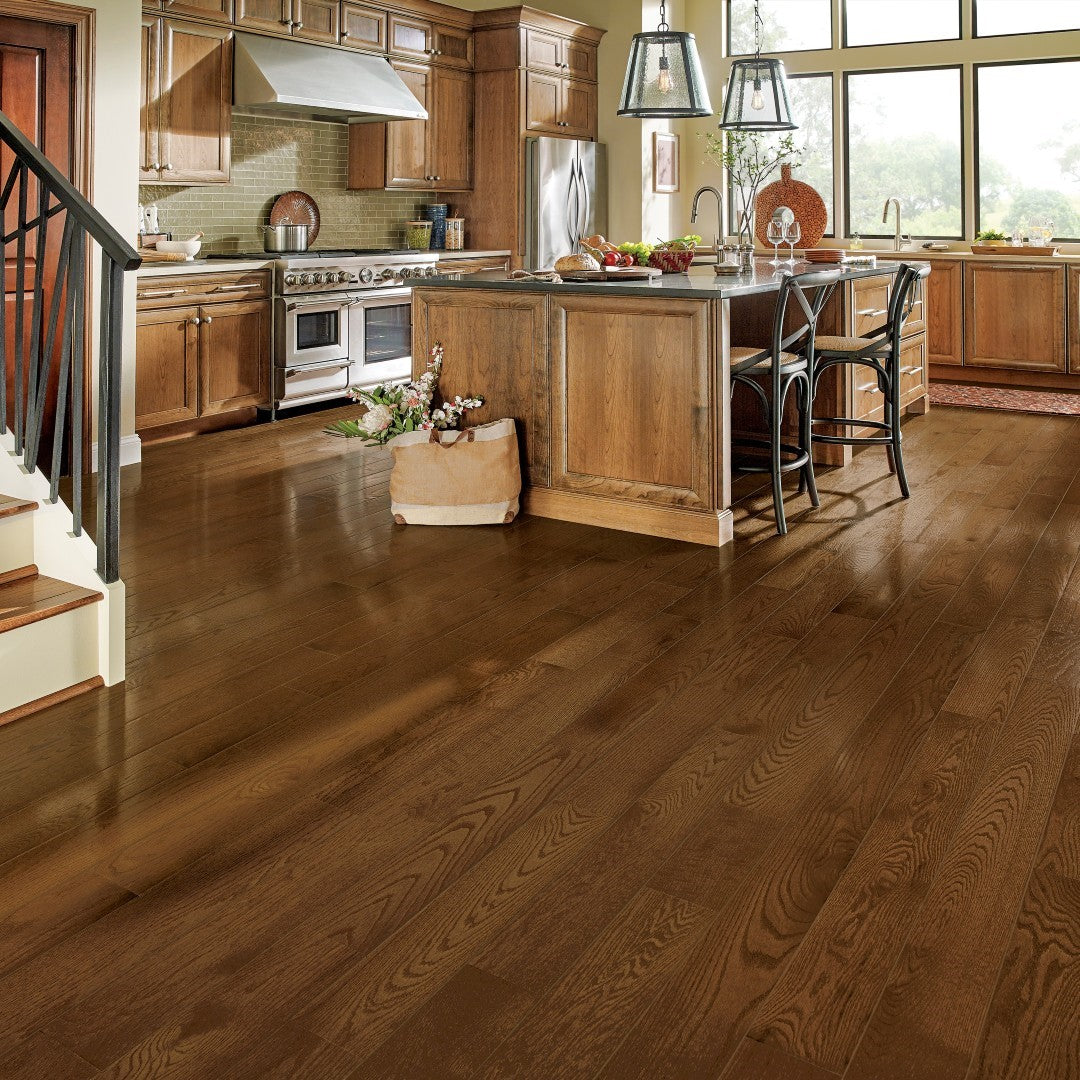
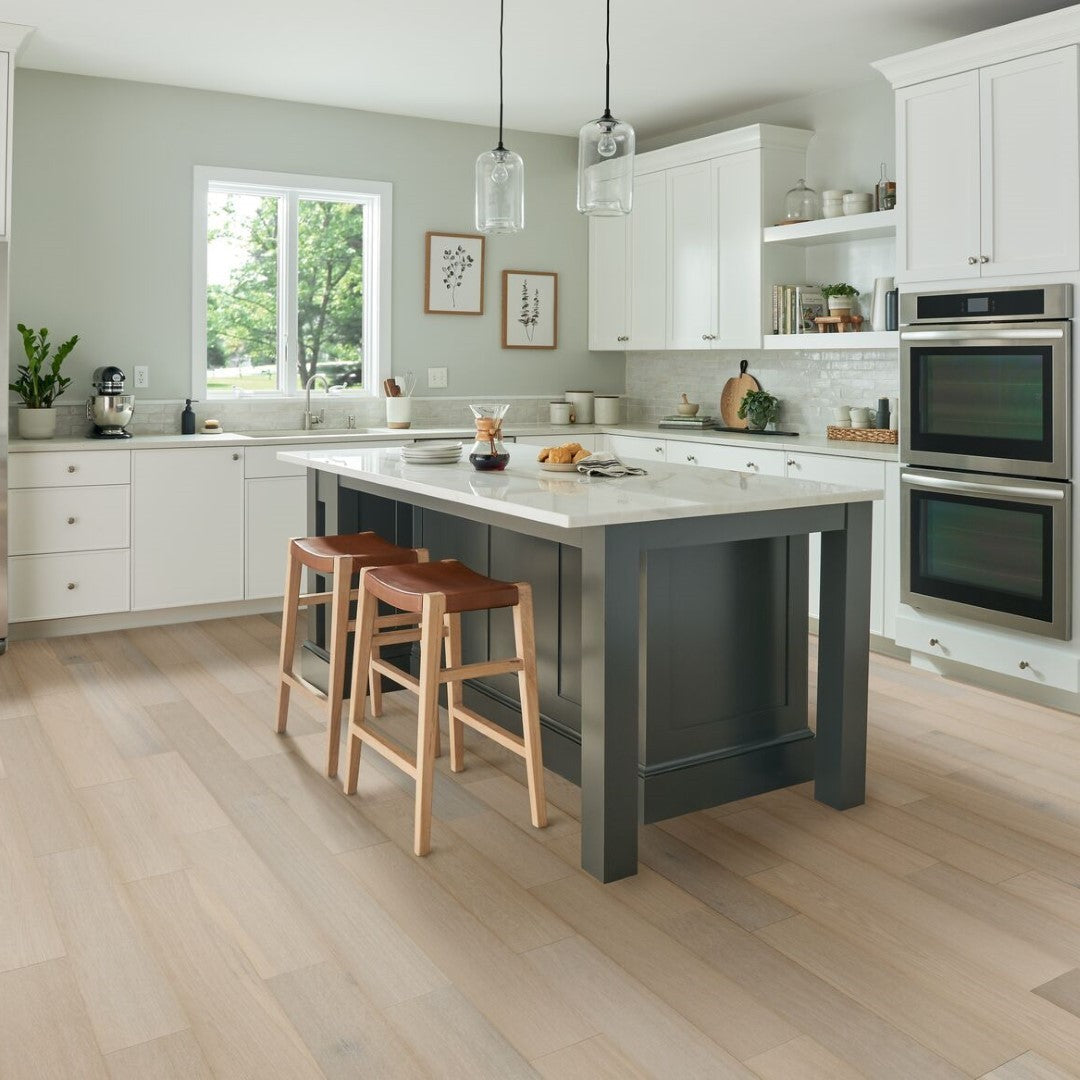
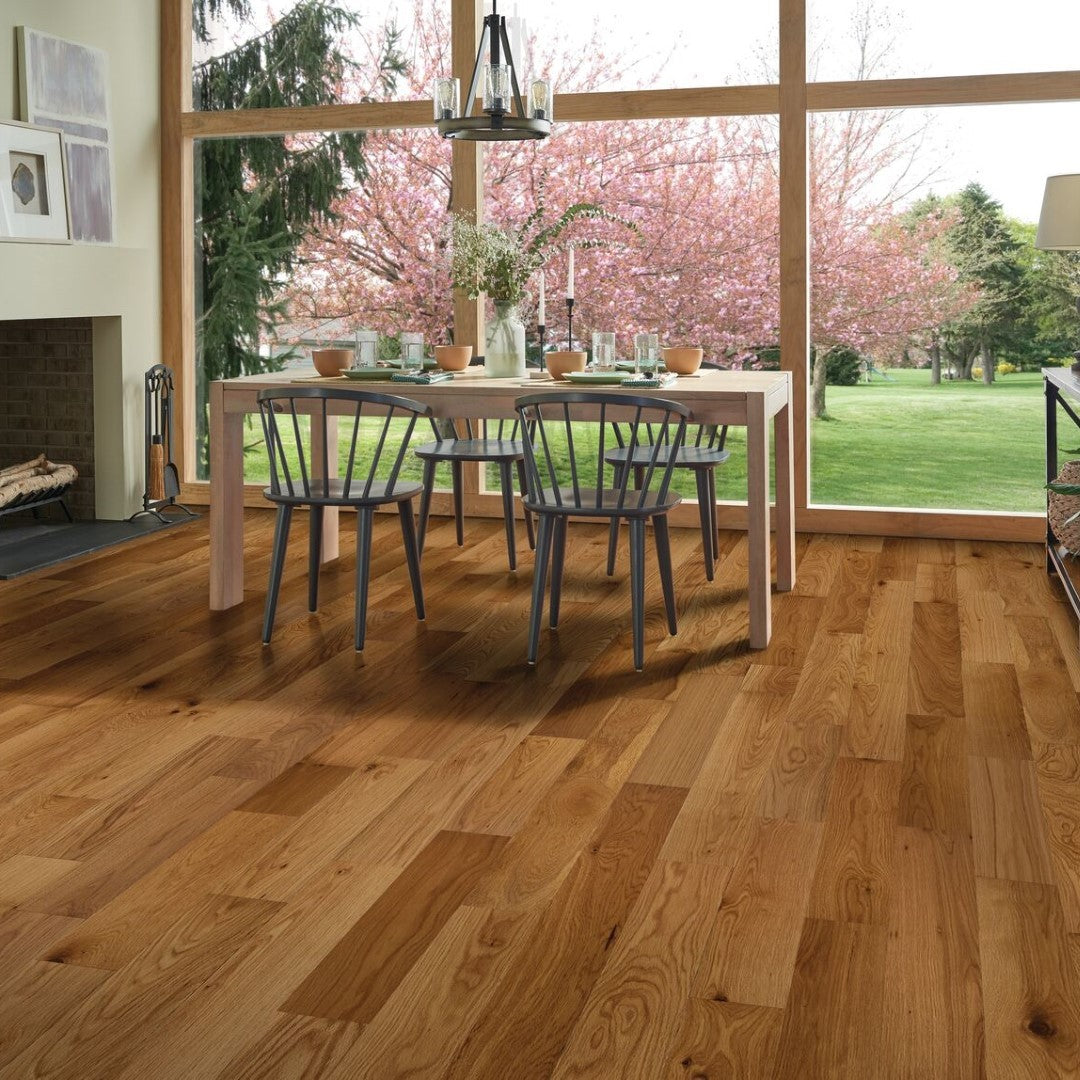
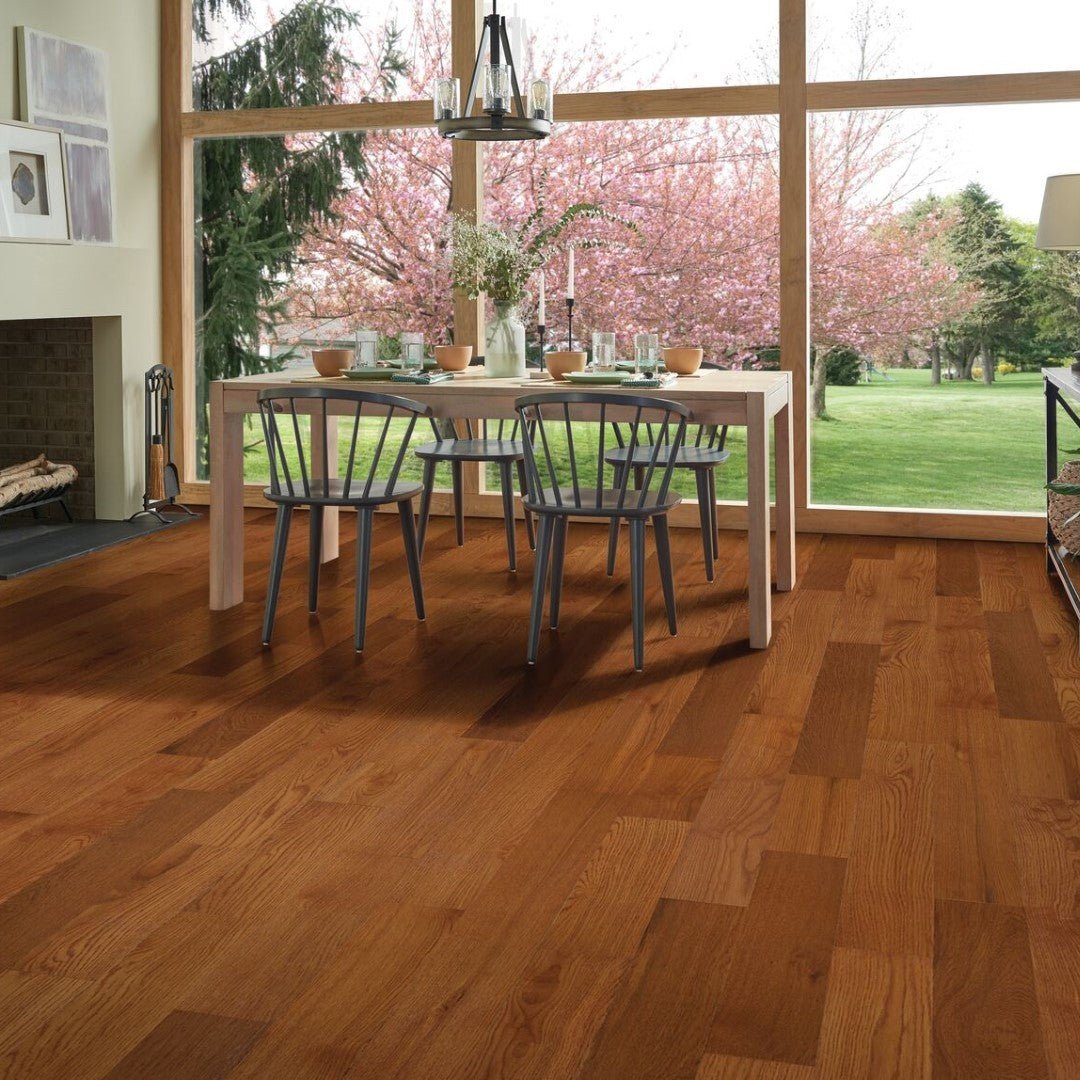
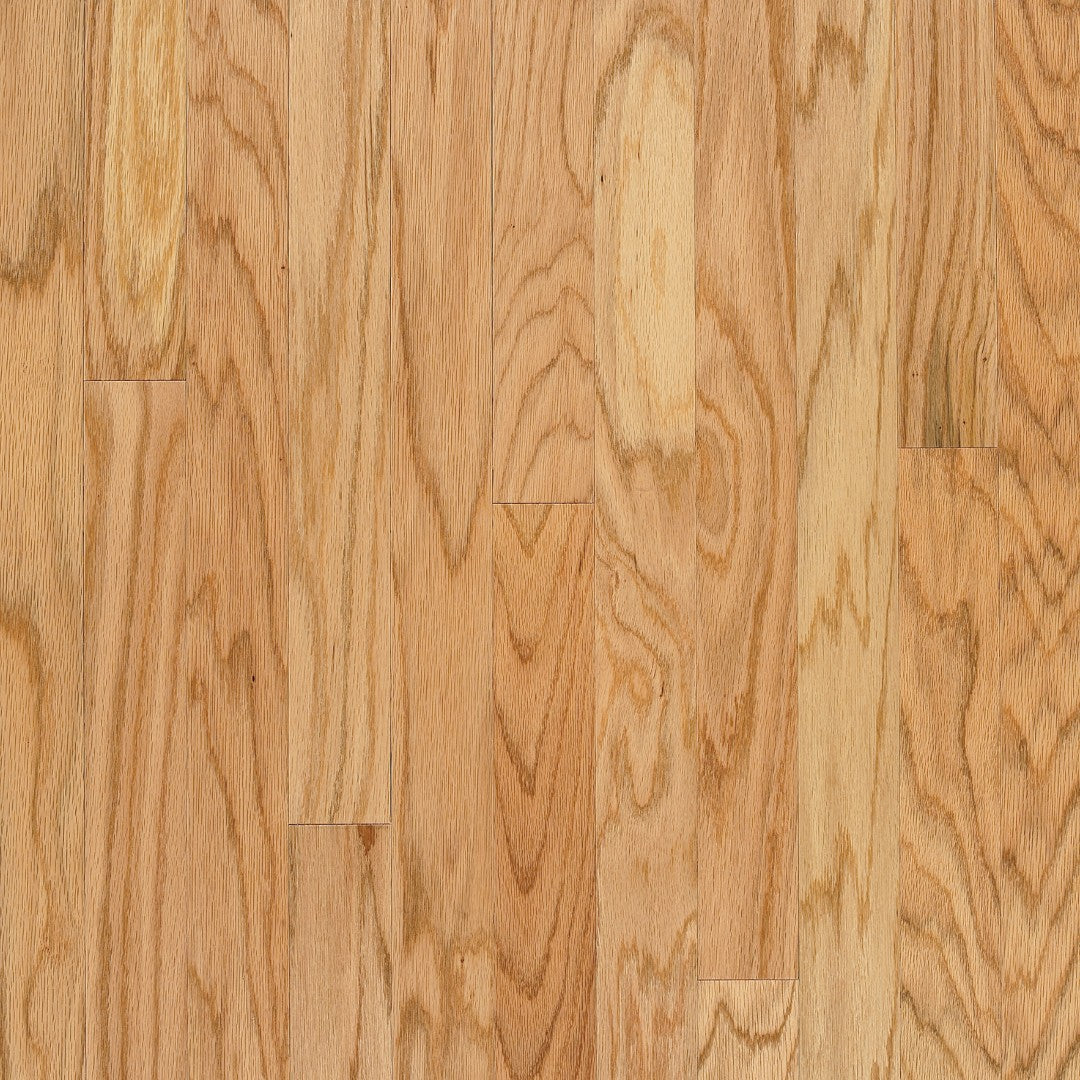
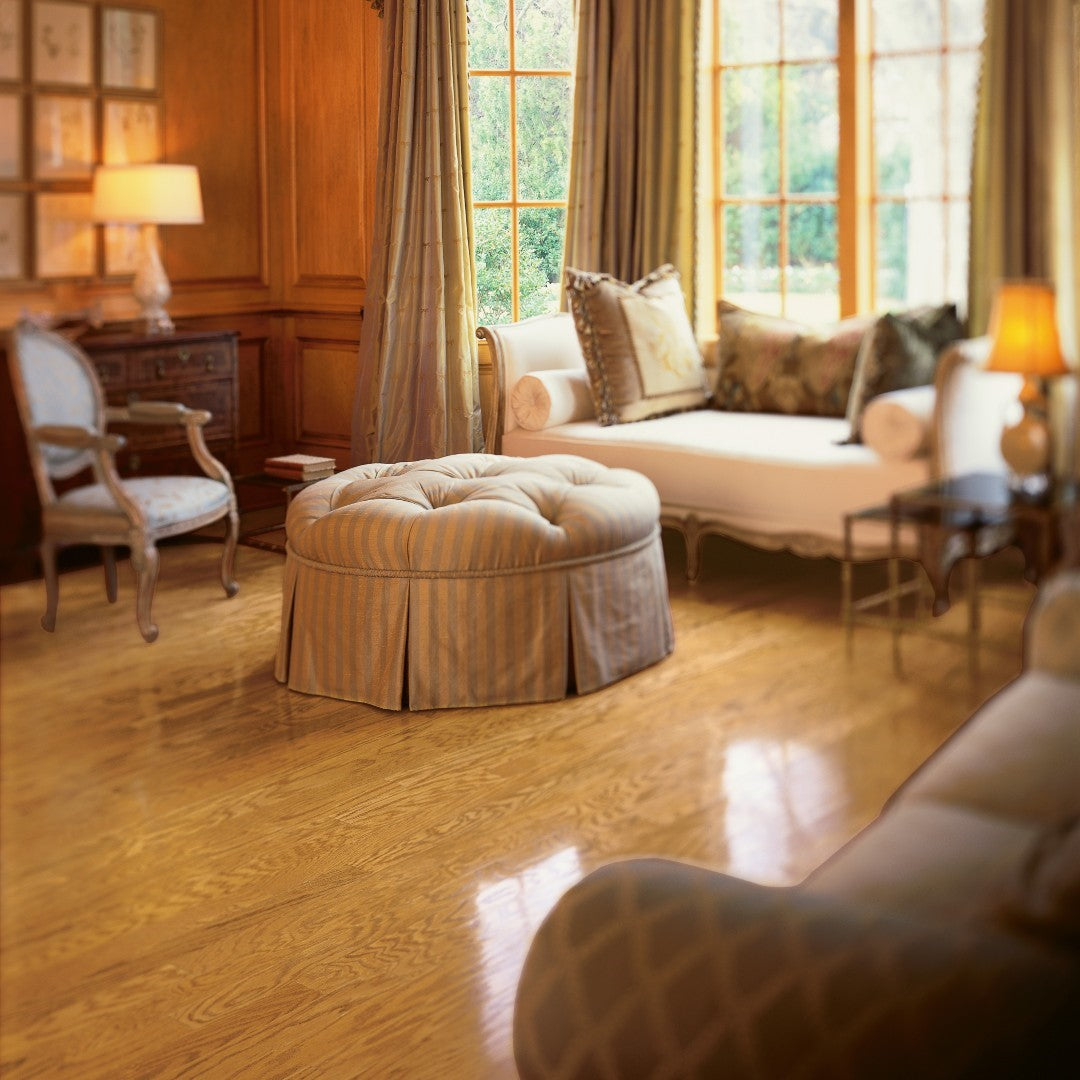
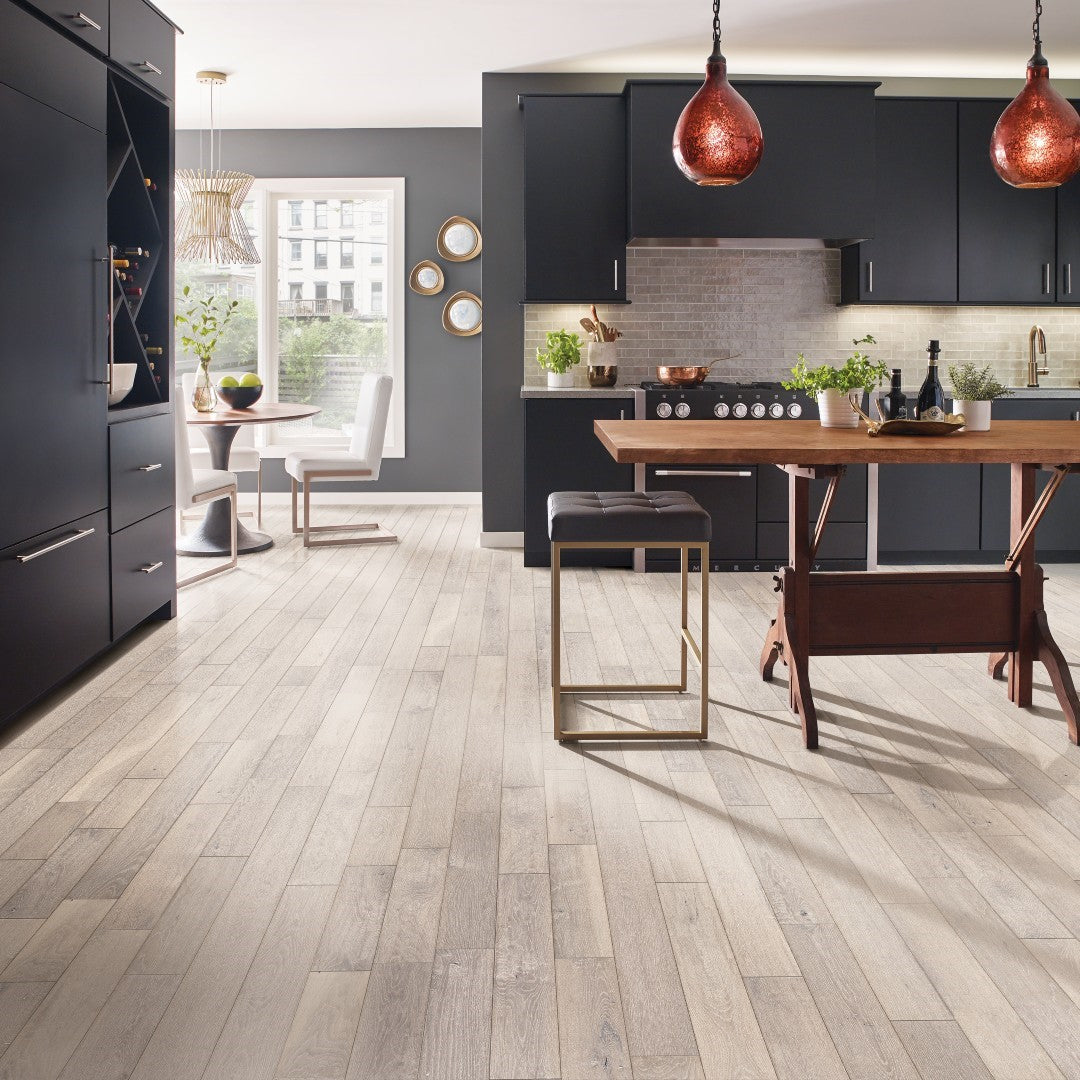
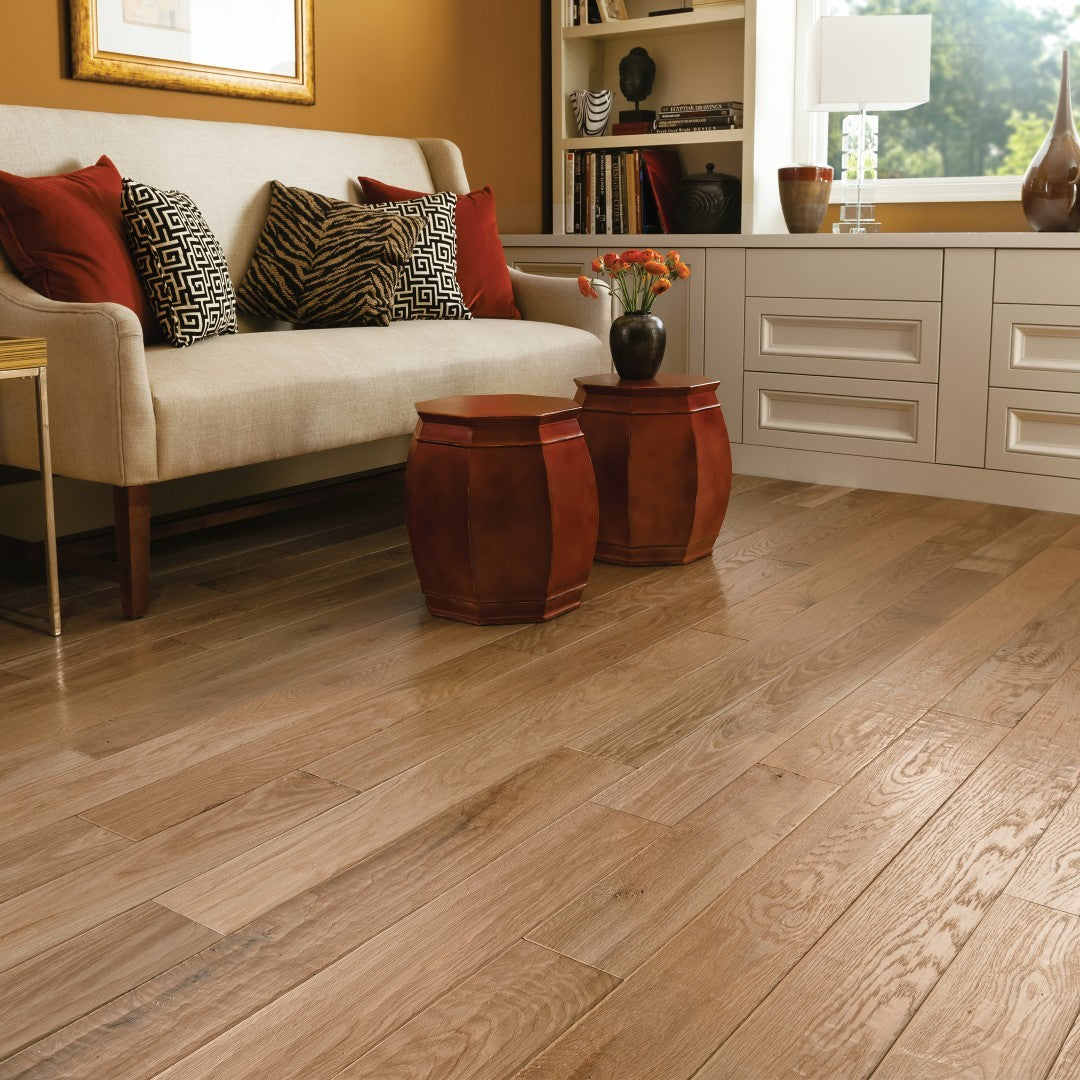
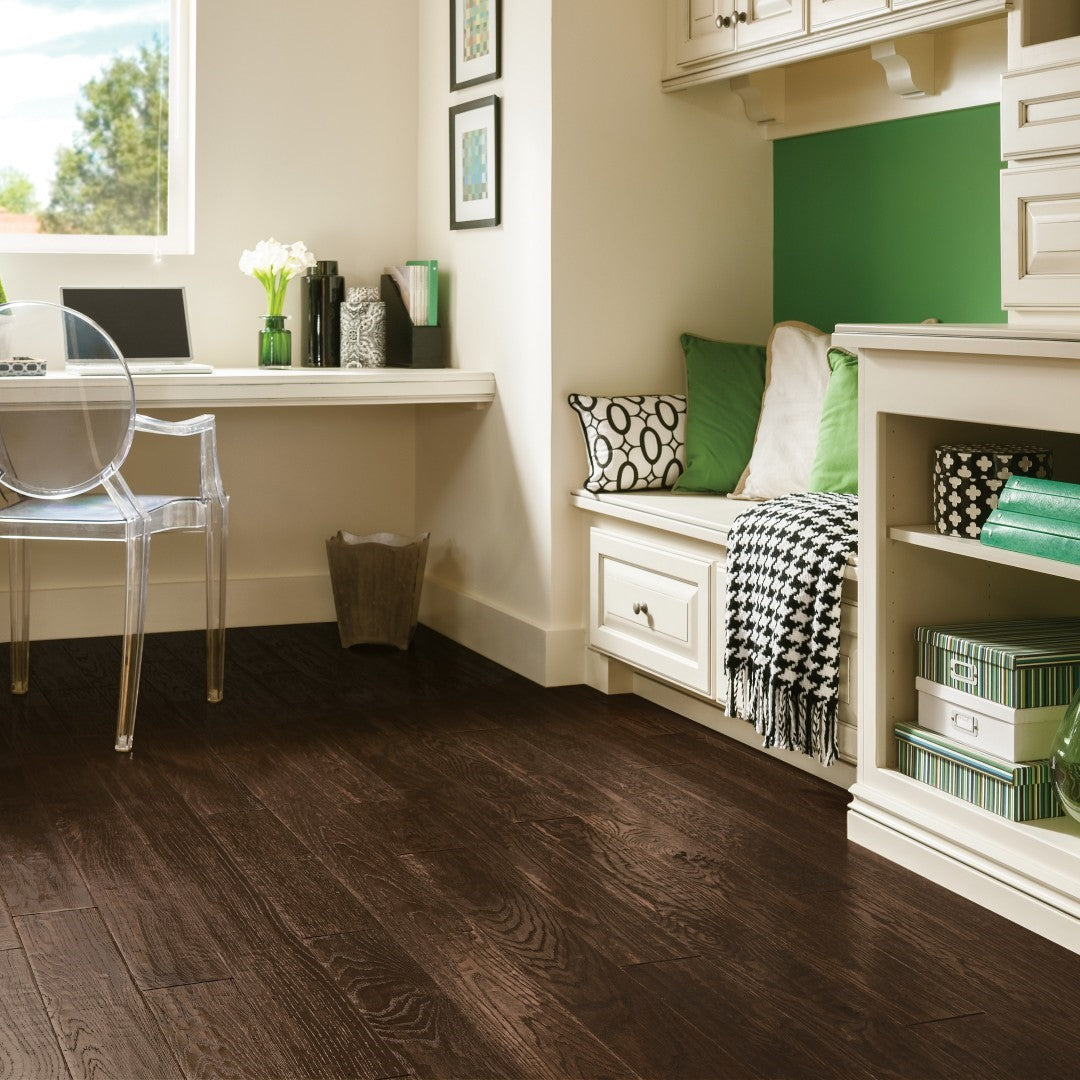
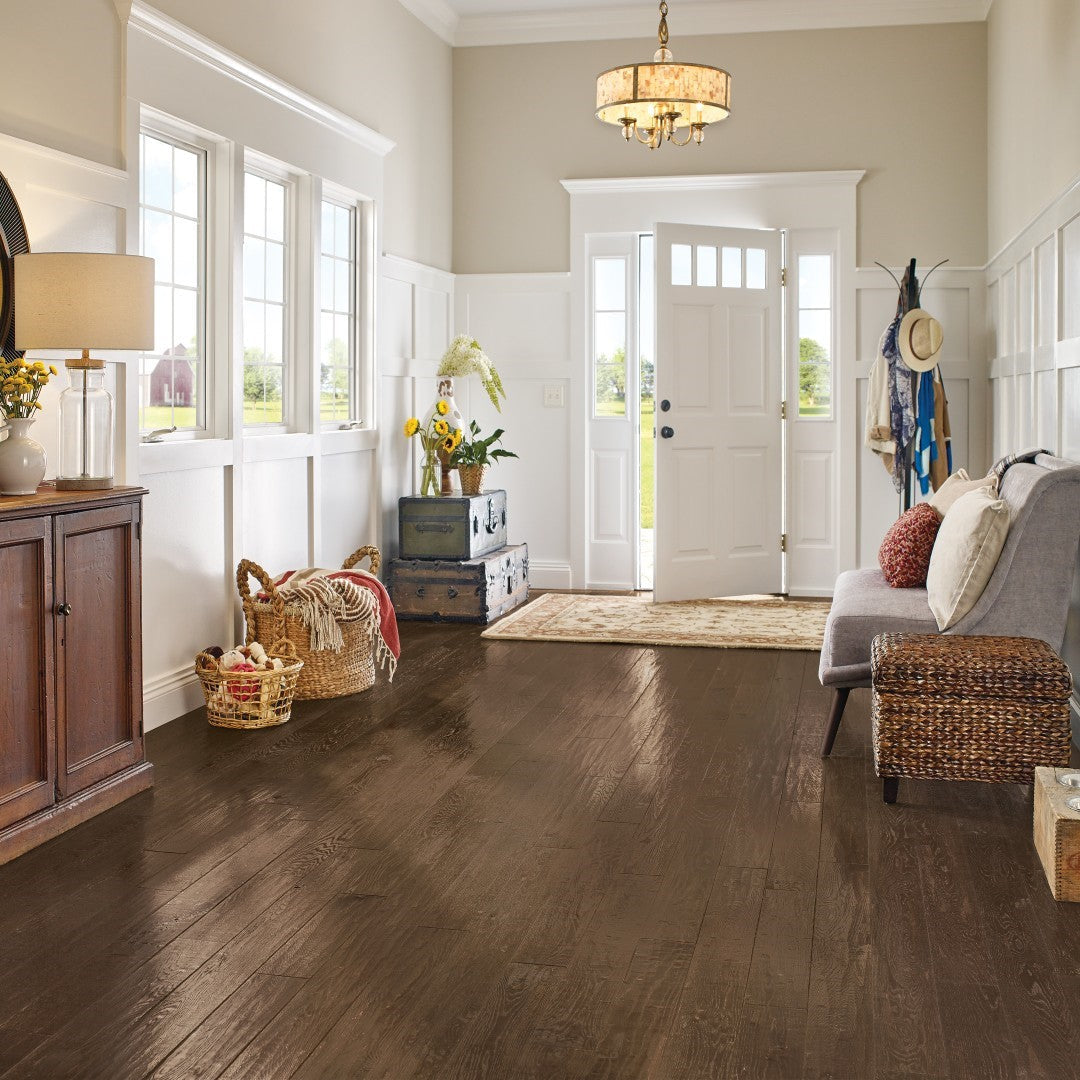
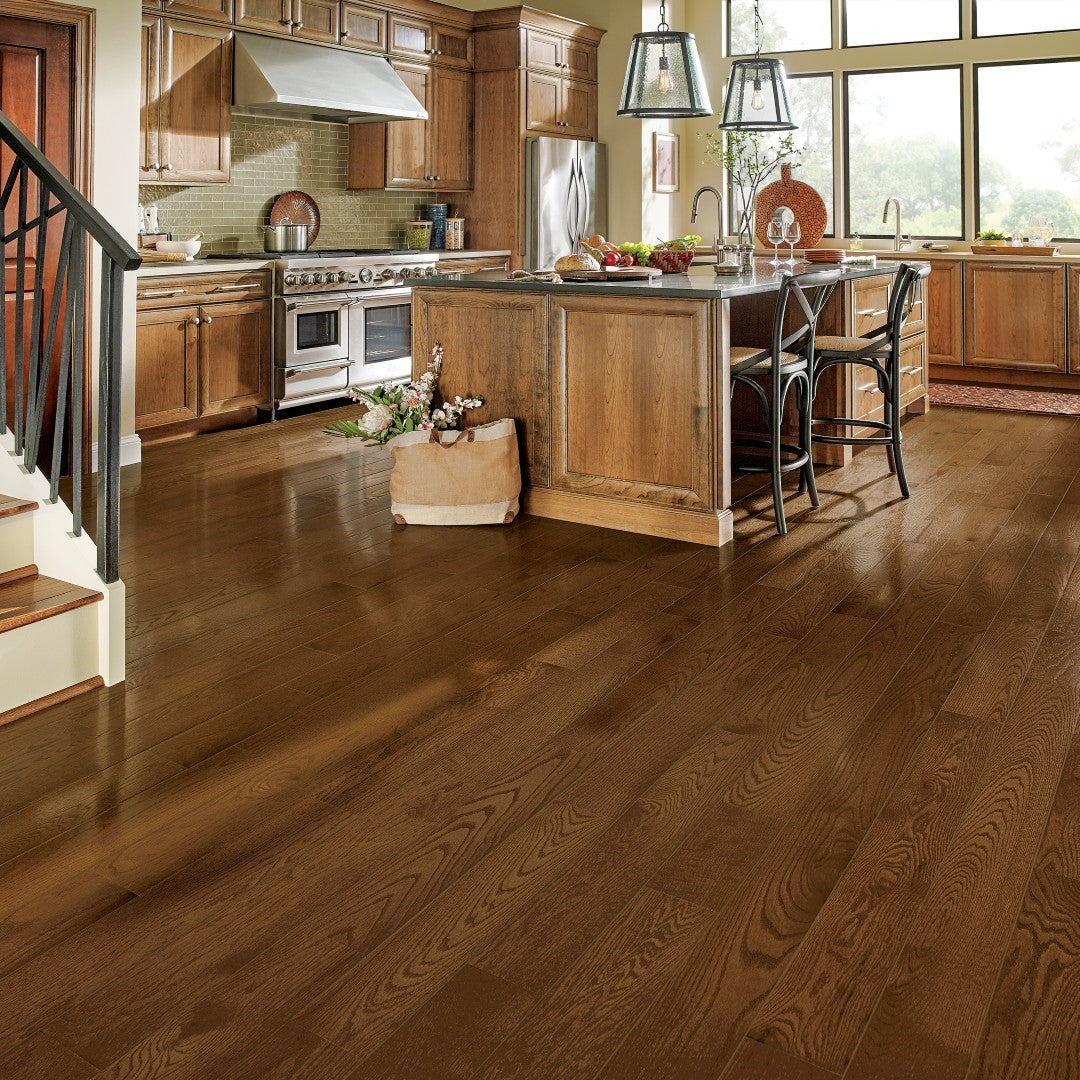
Hartco Beaumont 3" Engineered Oak Hardwood Plank Low Gloss

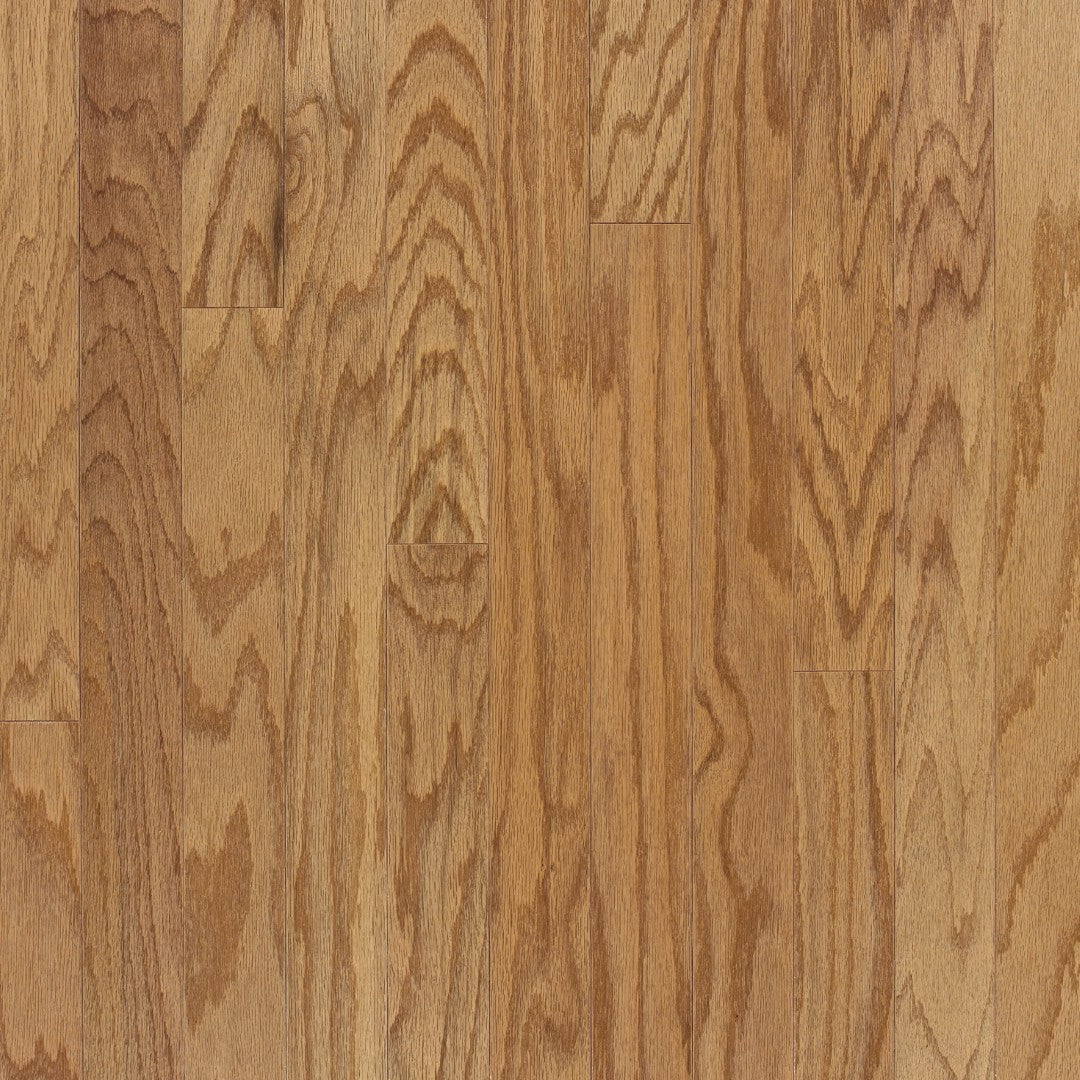
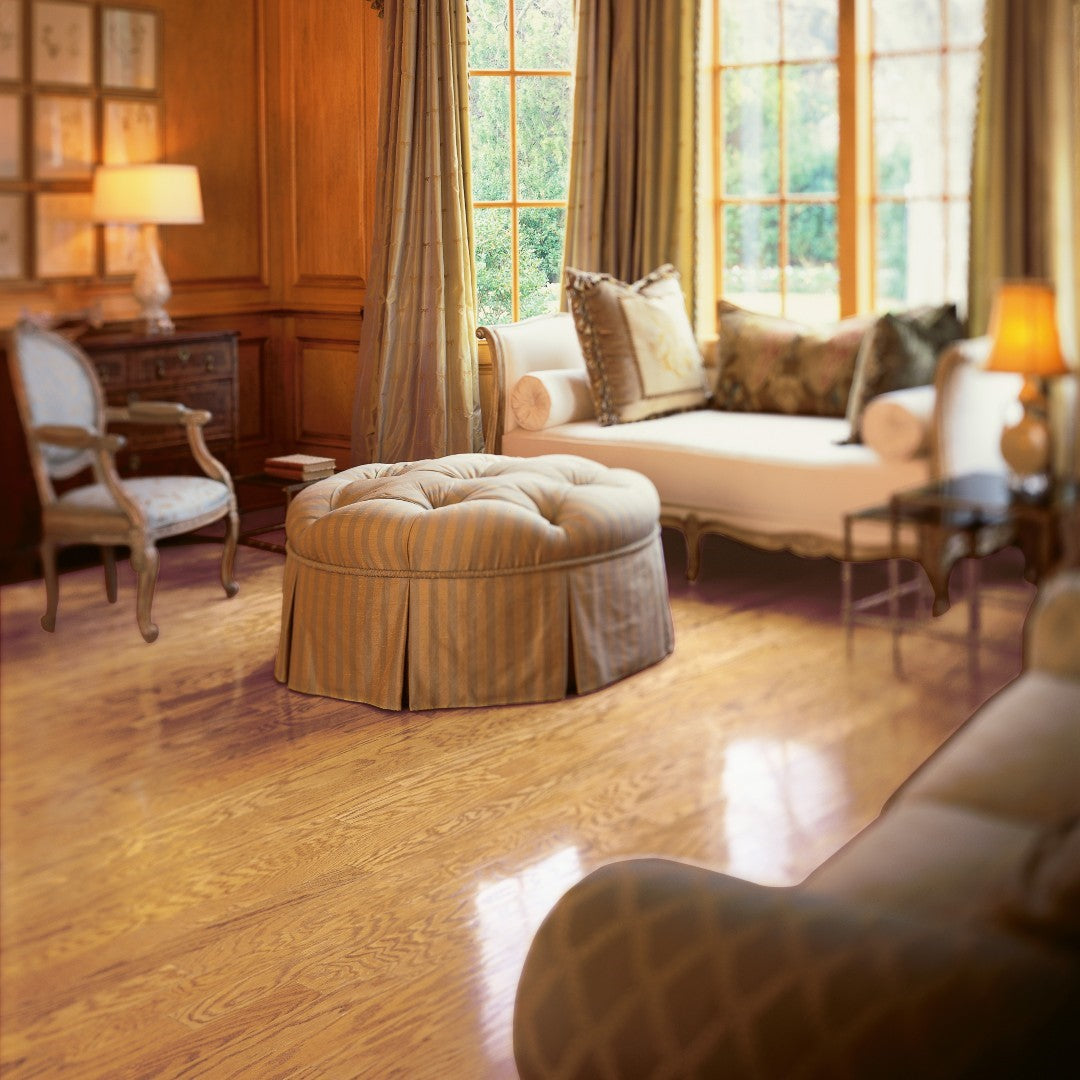
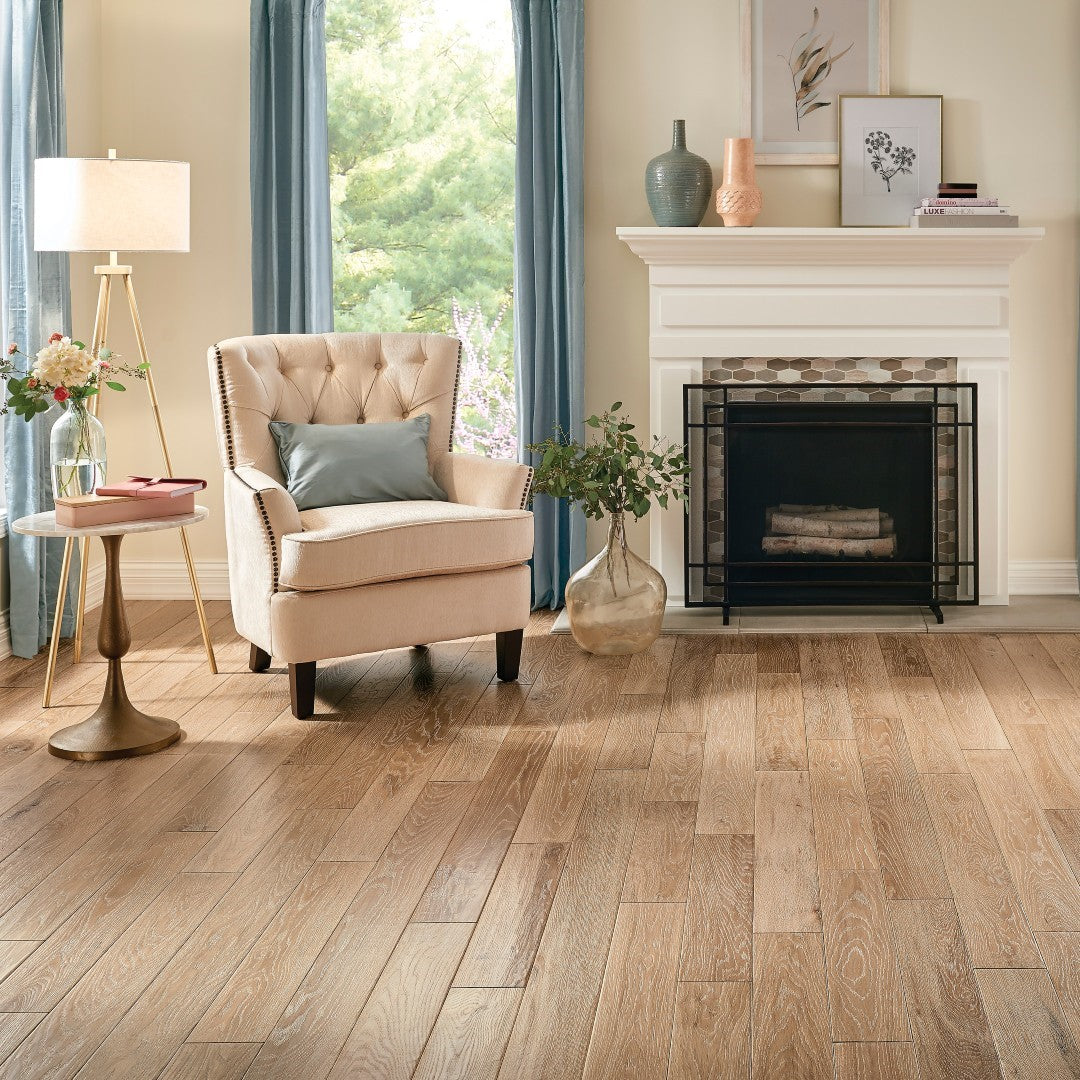
Hartco Ascot 3.25" Solid Oak Hardwood Plank Satin

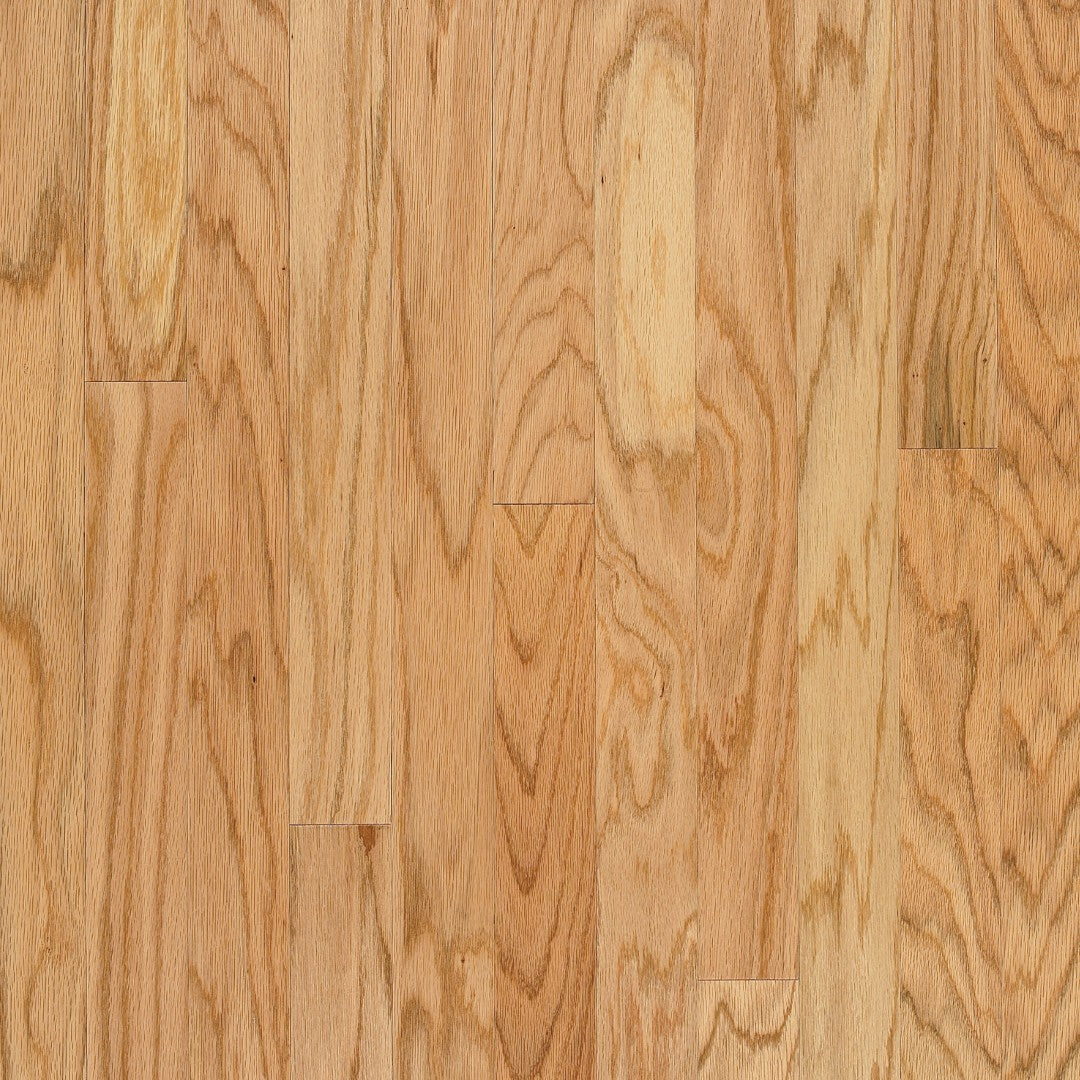
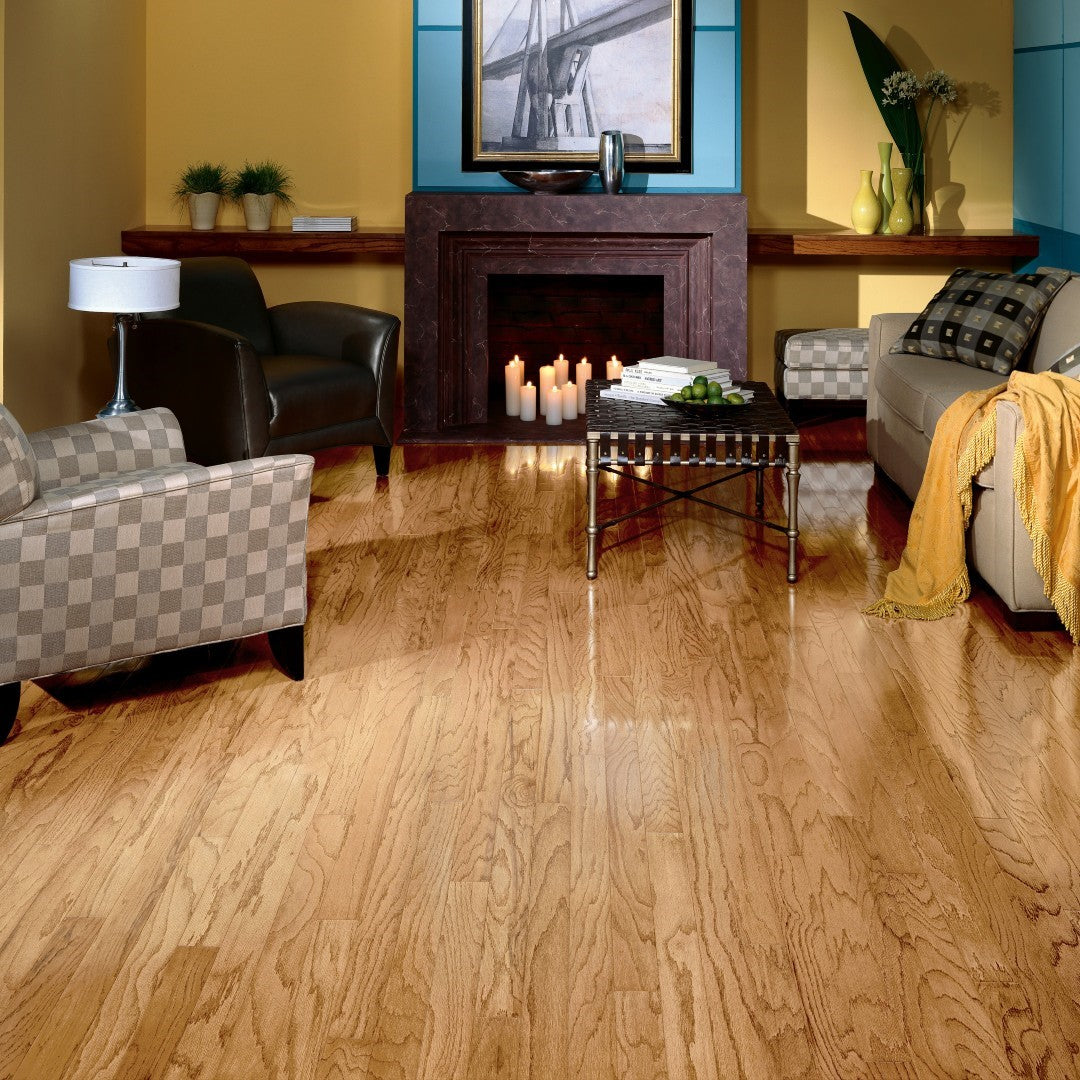
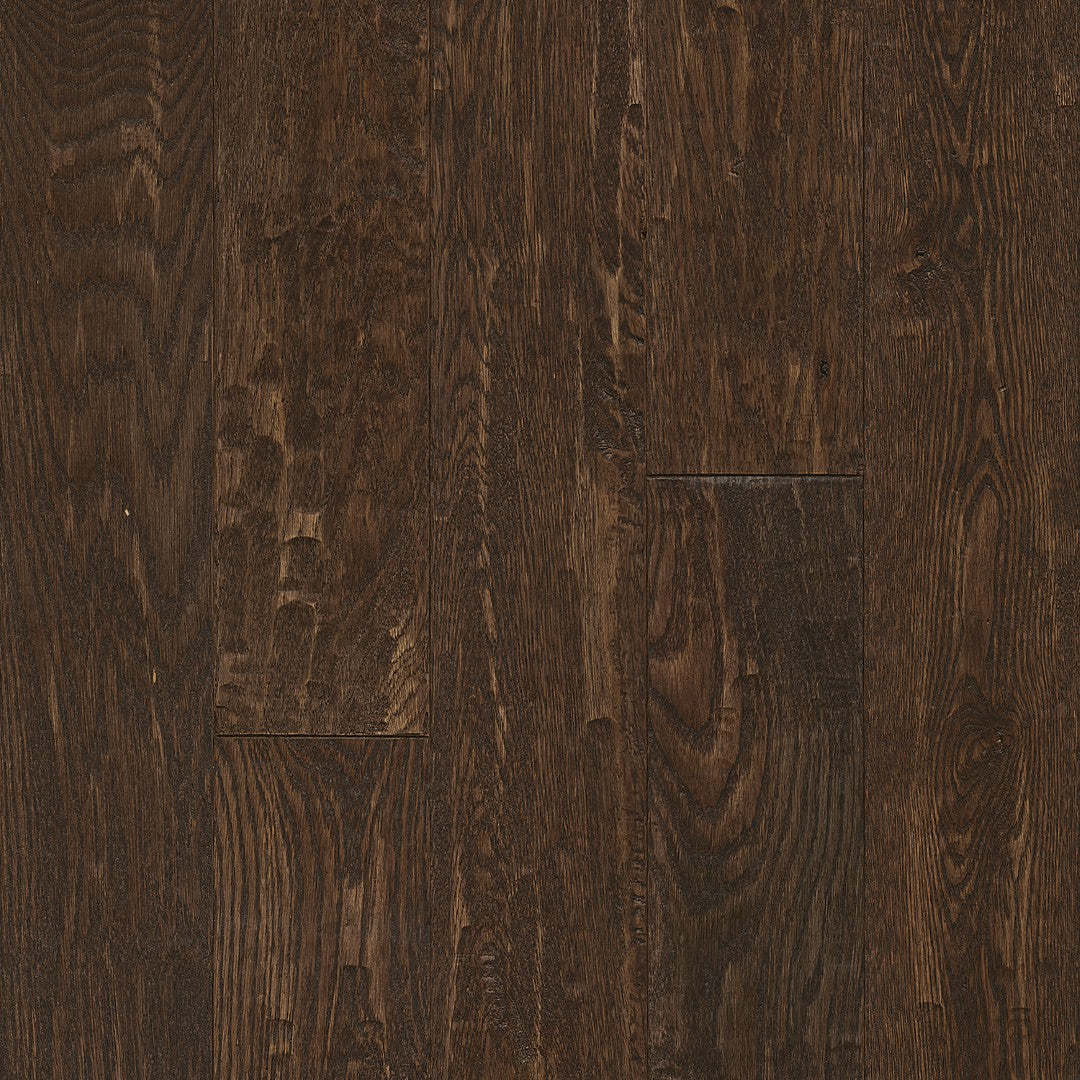
Hartco Appalachian Ridge 5" Solid Oak Distressed Hardwood Plank

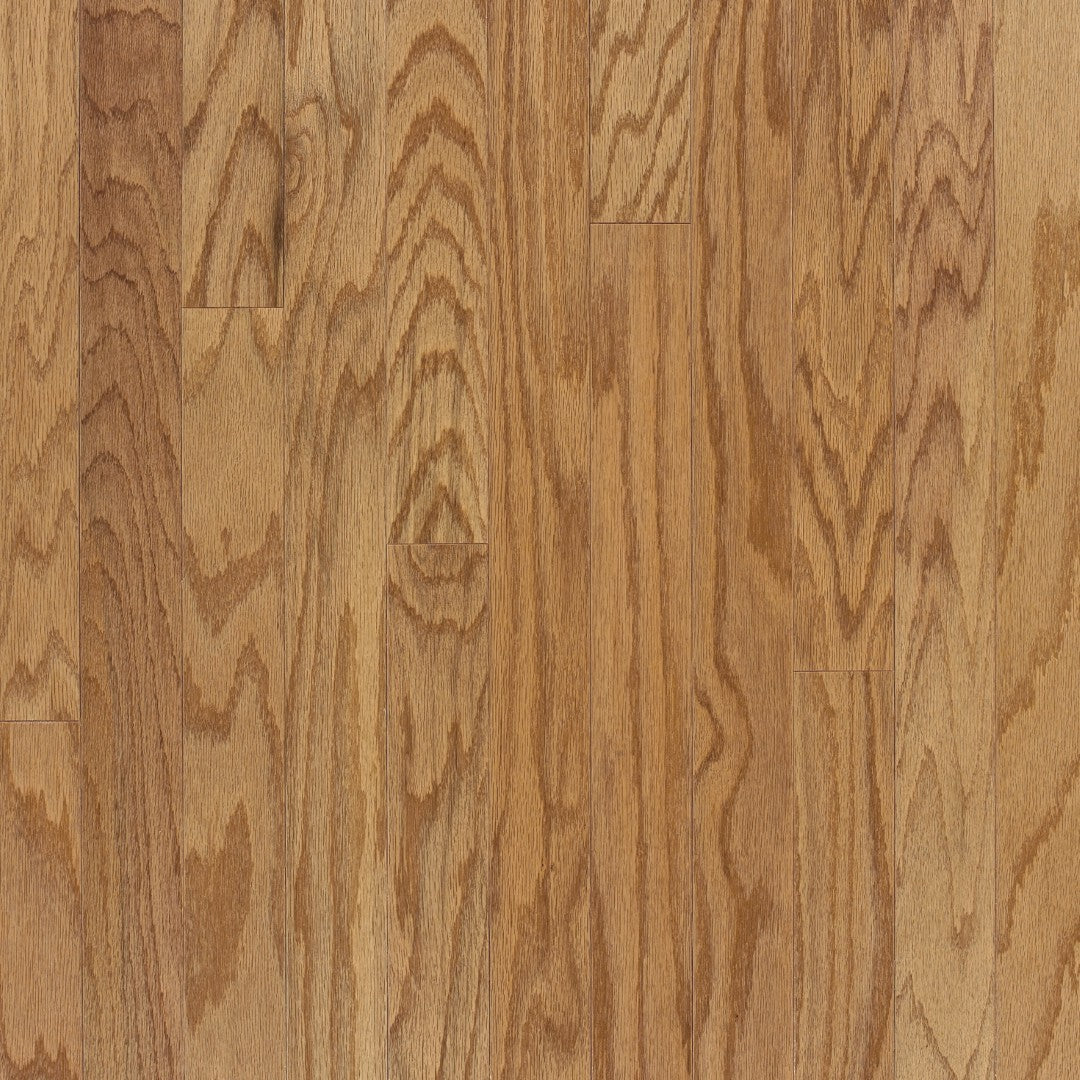
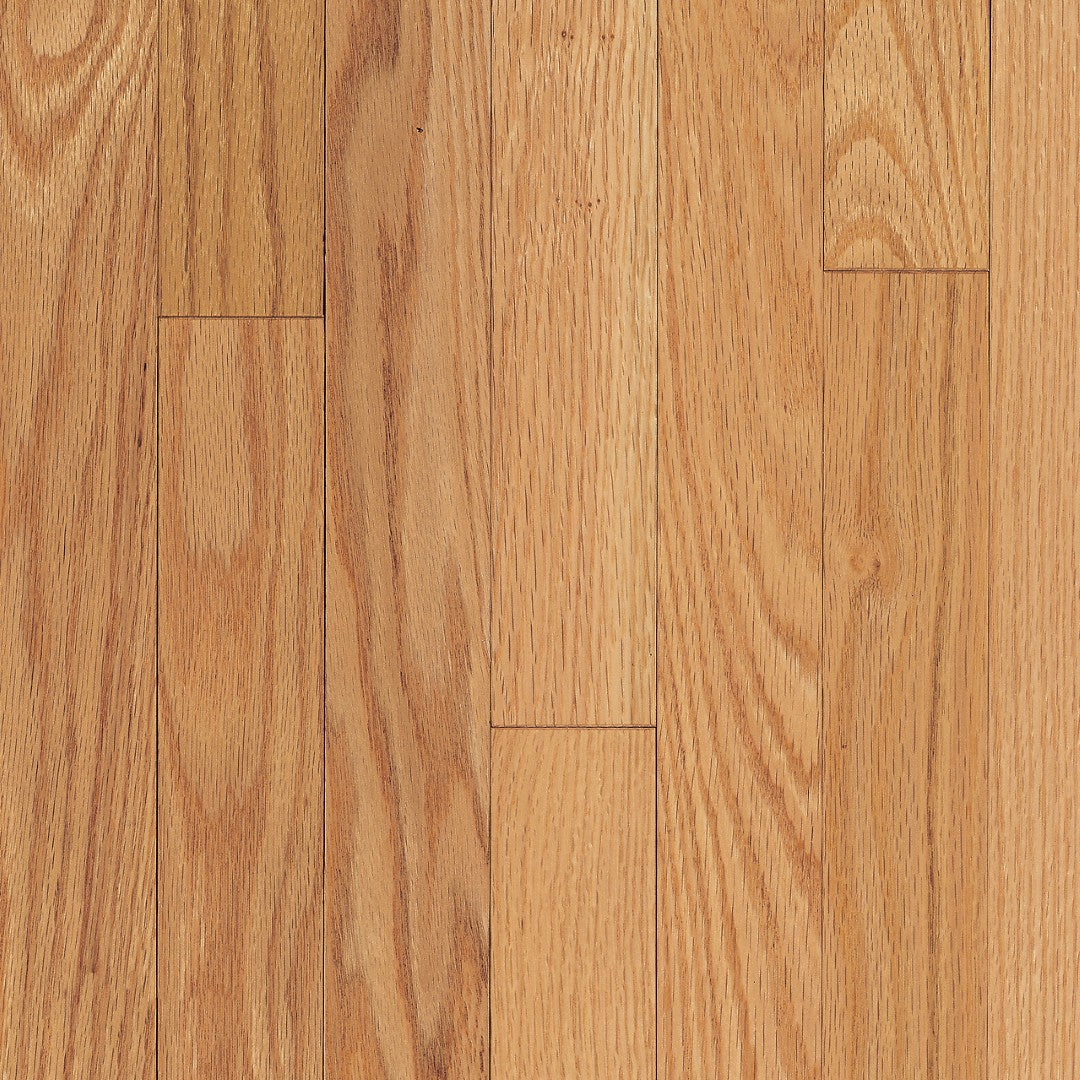
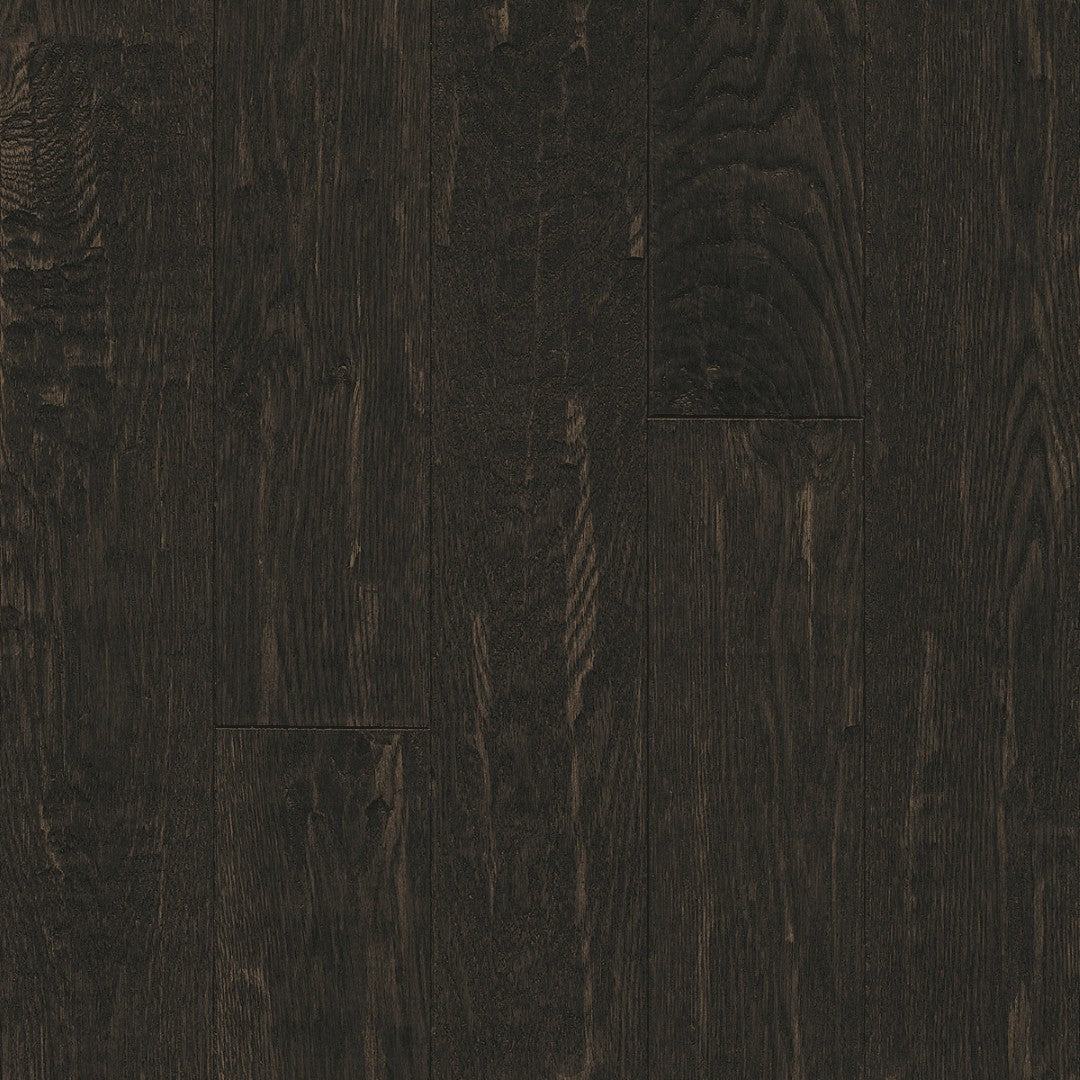
Hartco American Scrape 5" Solid Oak Hand Scraped Hardwood Plank

Hartco American Scrape 5" Solid Oak Satin Hardwood PlankOak Wood Flooring
Oak wood flooring is one of the most dependable and widely used hardwood options in residential and commercial interiors. Known for its balanced grain pattern, natural strength, and broad color range, oak flooring adapts well to modern, rustic, traditional, and transitional spaces. Whether finished in light neutrals or deeper stained tones, oak provides a stable and consistent foundation for everyday living.
Oak is commonly available in two main species i.e white oak and red oak, each offering distinct visual characteristics and performance traits. Oak flooring is also offered in both solid hardwood and engineered constructions, allowing flexibility based on installation location and environmental conditions.
Why Oak Wood Flooring Remains a Top Choice
Oak is naturally durable and performs well in high-traffic areas. Its grain structure helps conceal everyday wear, making it a practical choice for living rooms, hallways, and family spaces. Oak also accepts stains evenly, which allows for a wide range of finish options to suit different interior styles.
Available in both solid oak and engineered oak planks, this wood supports different installation needs. Solid oak is commonly used in above-grade spaces, while engineered oak provides added stability for homes with changing humidity levels or multi-story layouts.
White Oak Flooring
White oak flooring is recognized for its tighter grain pattern and more neutral color range compared to red oak. Its appearance typically falls between light beige and medium brown, making it well suited for modern, transitional, and contemporary interiors.
White oak is used in both solid hardwood and engineered wood flooring. In spaces where moisture control and dimensional stability are important, engineered white oak flooring offers a layered construction designed to reduce expansion and contraction caused by temperature and humidity changes. This makes it suitable for upper floors and climate-controlled basements.
Red Oak Flooring
Red oak flooring is known for its warmer undertones and more pronounced grain movement. It often features subtle reddish or pink hues that add character and depth to traditional and classic interiors.
Red oak is commonly selected for solid hardwood installations in living rooms, bedrooms, and dining areas. Its visible grain variation creates a more expressive surface, making it a popular option for homeowners who prefer a traditional wood appearance.
Difference Between Red Oak and White Oak
While both red oak and white oak are durable hardwood species, there are key differences that influence how they are used.
Grain Pattern
Red oak has more visible grain movement, while white oak features a smoother, tighter grain.
Color Tone
Red oak leans toward warmer tones, whereas white oak offers cooler, more neutral shades.
Typical Use
White oak is often preferred in engineered flooring applications due to its stability and consistent structure. Red oak remains a common choice for solid hardwood installations in controlled indoor environments.
Choosing between red oak and white oak depends on design preference, installation location, and performance requirements.
Where Oak Flooring Works Best
Oak wood flooring adds warmth and structure to a wide range of spaces:
- Living Rooms: Creates a balanced, natural foundation for various furniture styles.
- Bedrooms: Provides a calm, comfortable surface with visual consistency.
- Hallways & Entryways: Durable enough to handle frequent foot traffic.
- Open Floor Plans: Maintains visual flow across connected areas.
Oak flooring pairs well with light walls, bold décor, and mixed materials, offering flexibility across different layouts.
Oak Wood Finishes and Plank Styles
Oak flooring is available in a broad range of finishes and formats, including:
- Matte, satin, and low-gloss surface finishes.
- Smooth, wire-brushed, and hand-scraped textures.
- Standard and wide plank options.
These variations allow oak flooring to suit both understated interiors and more textured design styles without sacrificing long-term performance.
Easy Maintenance for Everyday Living
Oak wood flooring is easy to maintain with basic care:
- Sweep or vacuum regularly to remove debris.
- Clean using hardwood-safe products.
- Use felt pads under furniture to reduce surface wear.
- Maintain stable indoor humidity levels for long-term performance.
With proper care, oak floors maintain their appearance and structural integrity for many years.
FAQs
Q1: Is oak wood flooring durable?
A) Yes, oak is one of the strongest domestic hardwoods and performs well in busy spaces.
Q2: What’s the difference between red oak and white oak?
A) Red oak has warmer tones and more grain movement; white oak has a tighter grain and modern, cool undertones.
Q3: Does oak wood scratch easily?
A) Oak resists scratches better than many hardwoods, but using pads and rugs helps maintain the surface.
Q4: Is oak good for basements?
A) Engineered oak is suitable for climate-controlled basements; solid oak is ideal for above-grade spaces.
Q5: What finishes are available?
A) Matte, low-gloss, wire-brushed, smooth, and hand-scraped finishes are common choices.