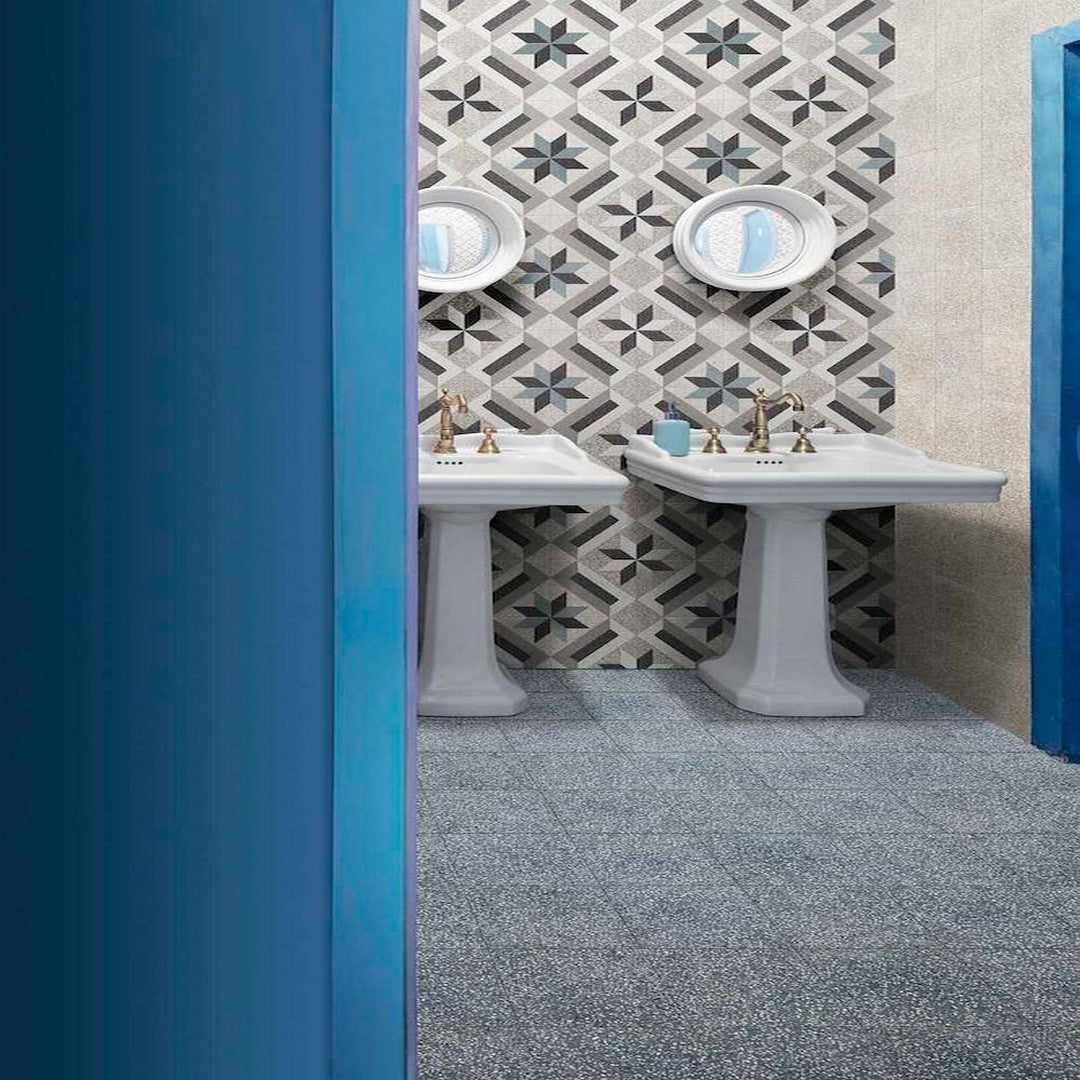
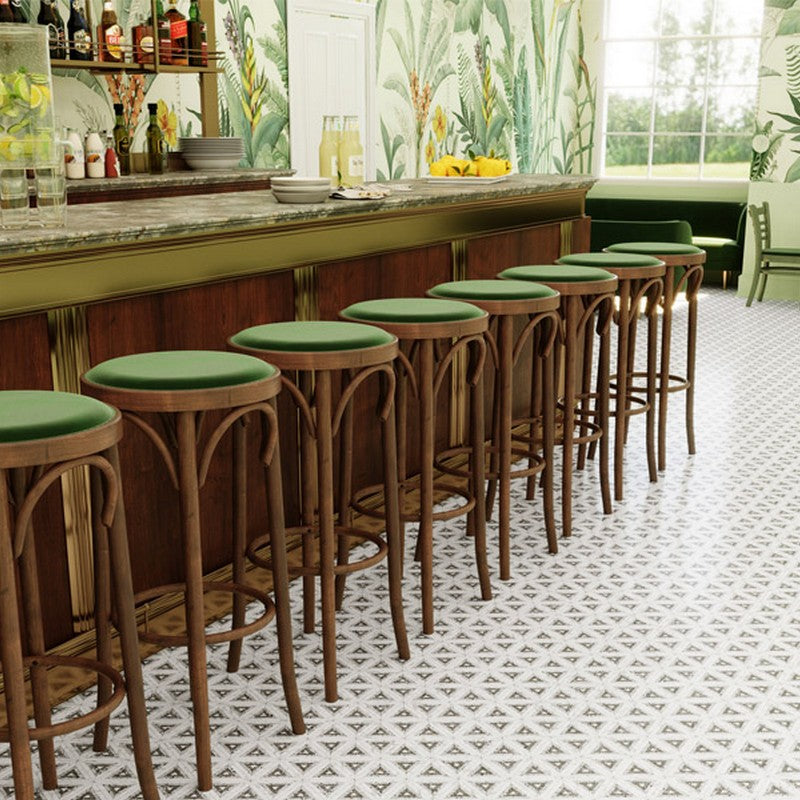

Terrazzo Tiles
39 products
Showing 25 - 39 of 39 products


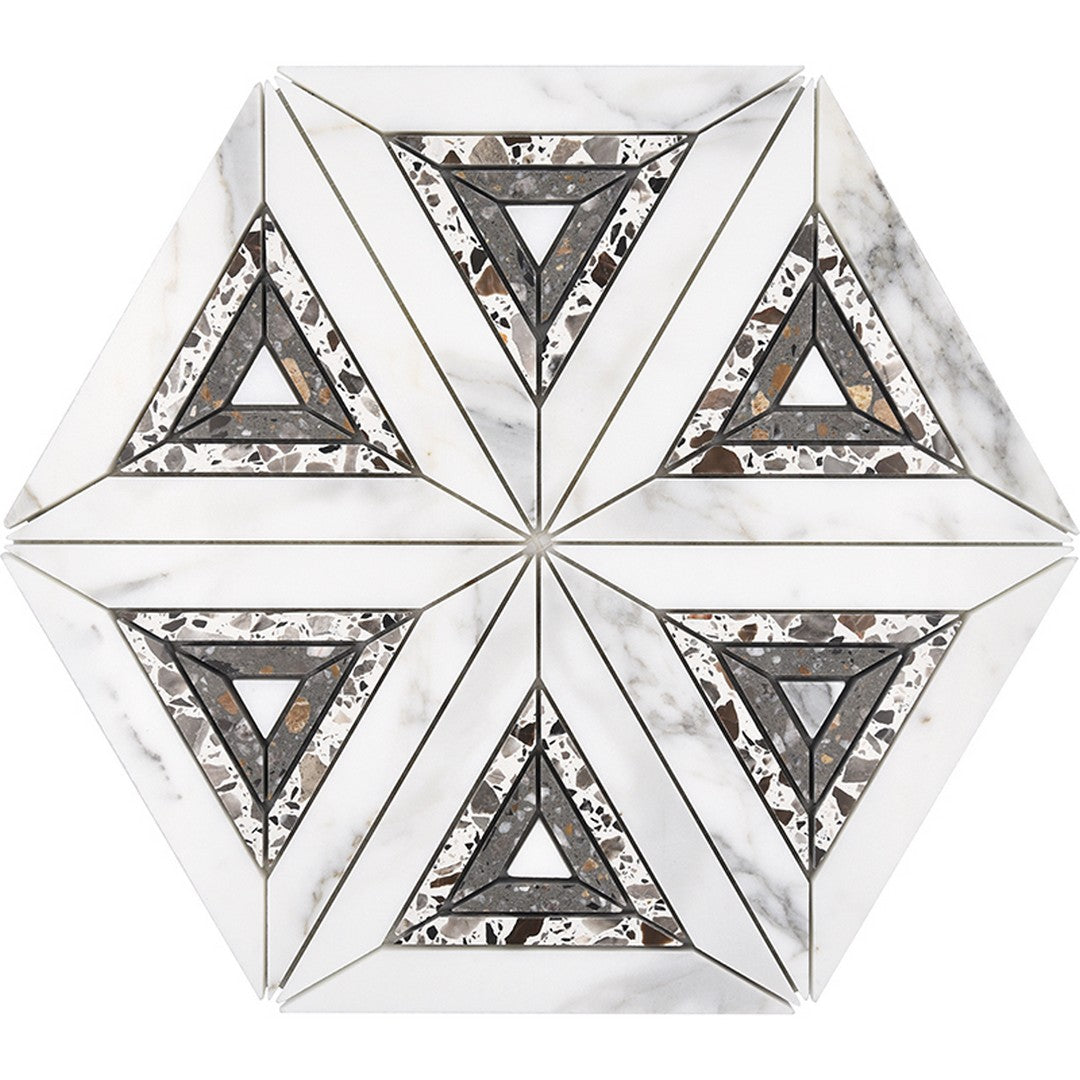
MiR Veneziana 8.86" x 10.2" Natural Stone Triangular Mosaic

MiR Veneziana 11.4" x 13.4 Natural Stone Mosaic Honed

MiR Veneziana 10.5" x 12" Natural Stone Mosaic Honed

MiR Aquaterra 3" x 12" Glossy Natural Natural Stone Brick Mosaic

MiR Veneziana 12" x 12" Natural Stone Mosaic Honed

MiR Veneziana 11.65" x 13.5" Natural Stone Flower Pattern Mosaic

Landmark Ceramics Frontier20 Terrazo 24" x 24" Rectified Matte Porcelain Paver

MiR Hexa 9.05" x 10.63" Pressed Matte Porcelain Tile
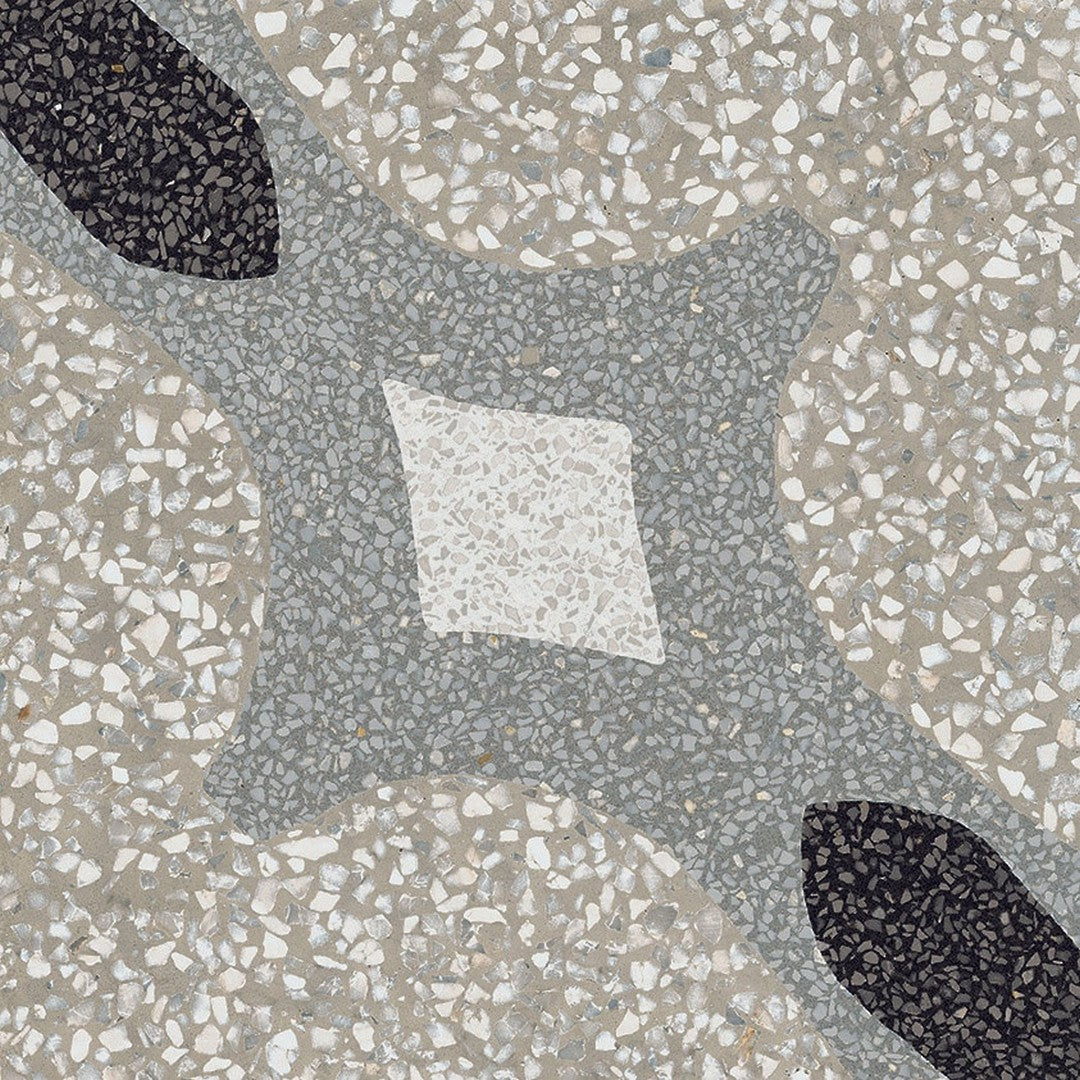
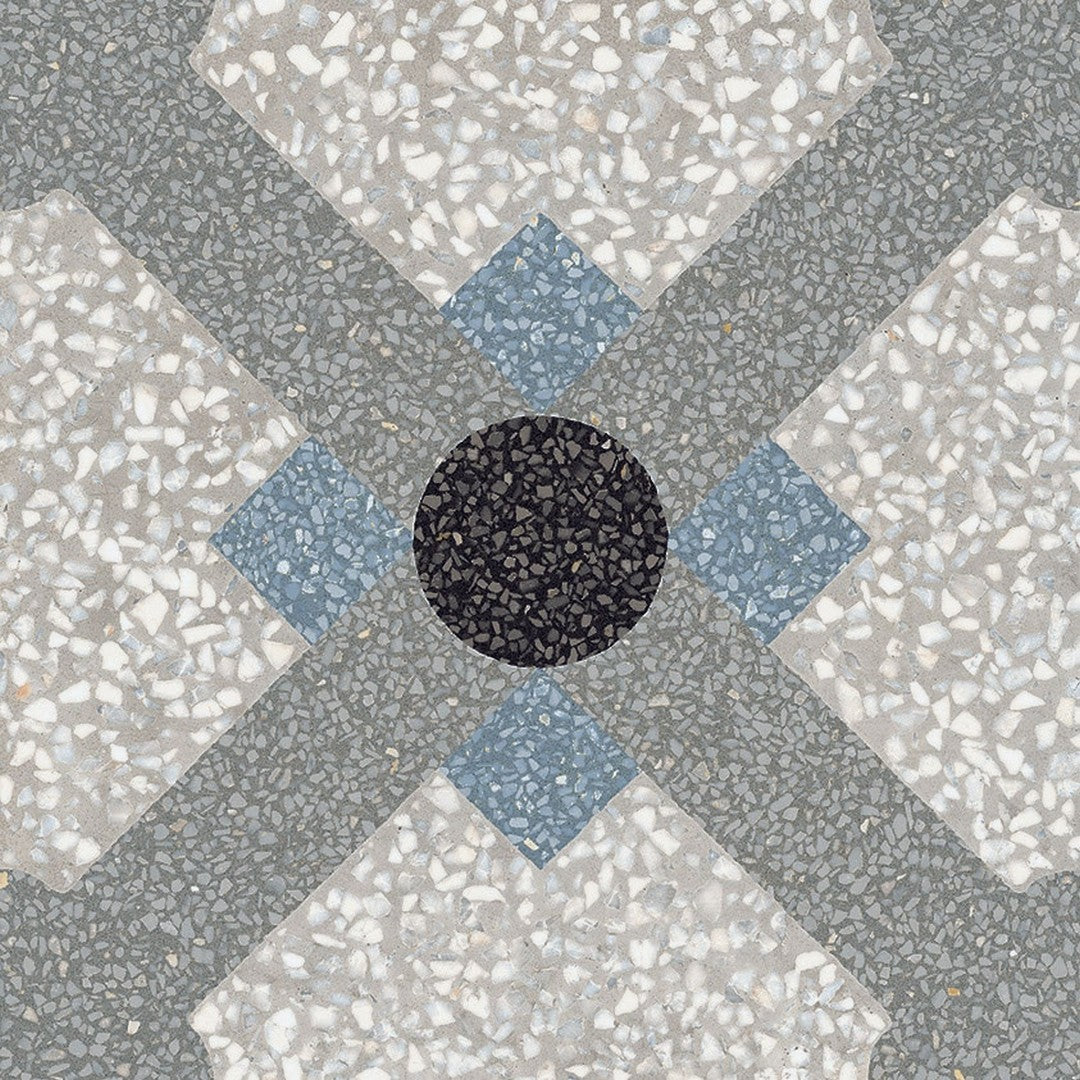
Marazzi D_Segni Terrazzo 8" x 8" Croix Deco Matte Porcelain Tile
Marazzi D_Segni Terrazzo 8" x 8" Fresco Deco Matte Porcelain Tile
Marazzi D_Segni Terrazzo 8" x 8" Chalet Deco Matte Porcelain Tile

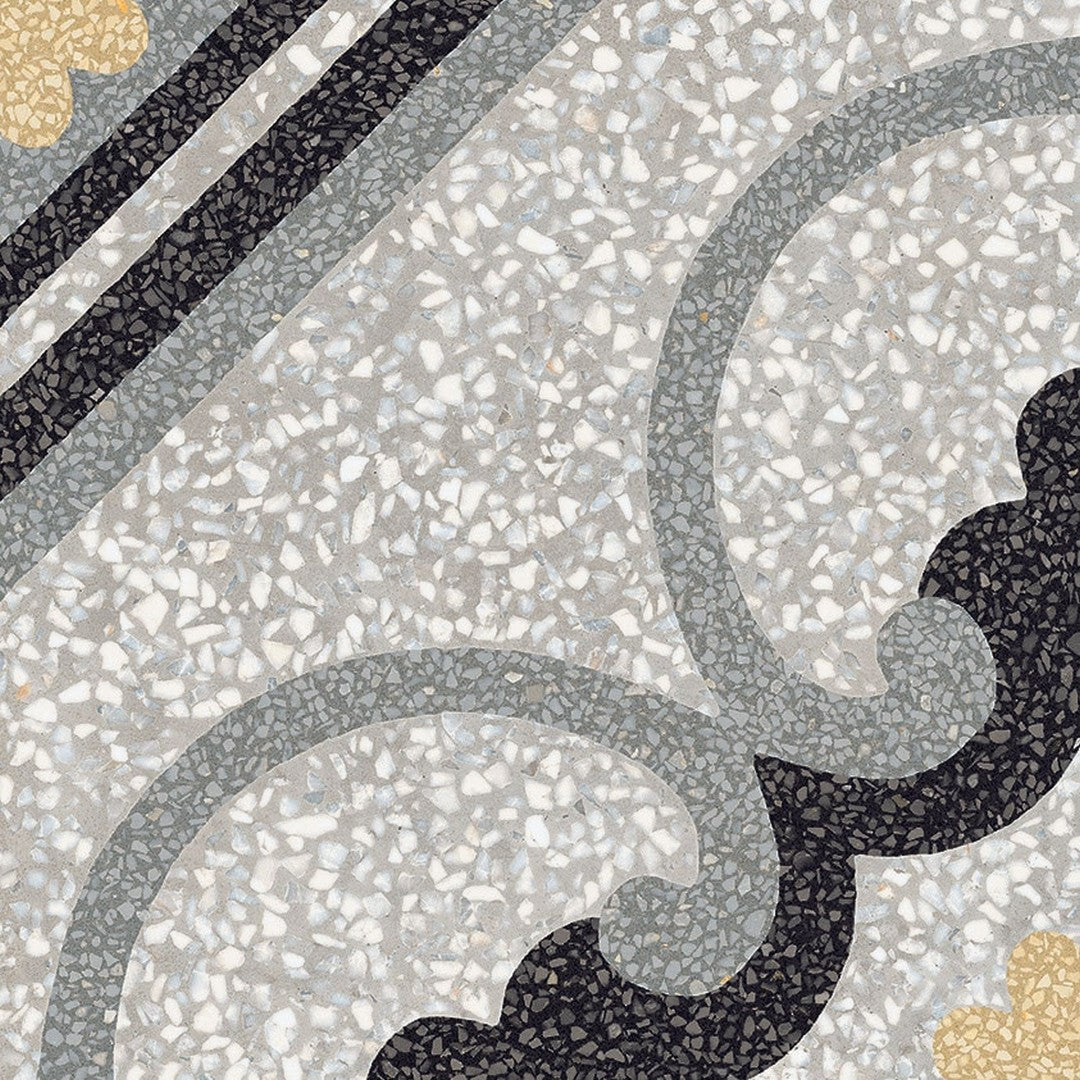
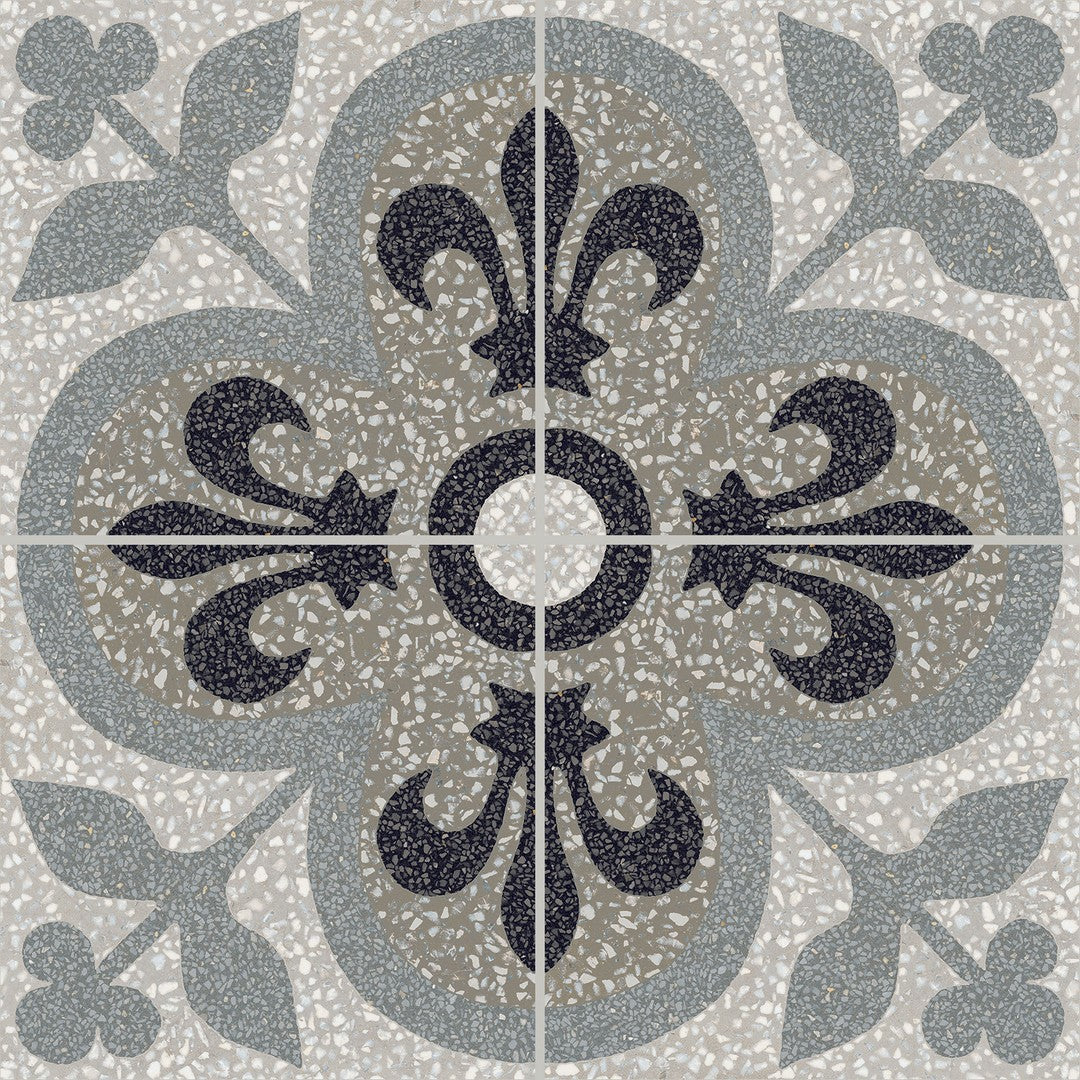
Marazzi D_Segni Terrazzo 8" x 8" Fleur-De-Lis Deco Matte Porcelain Tile

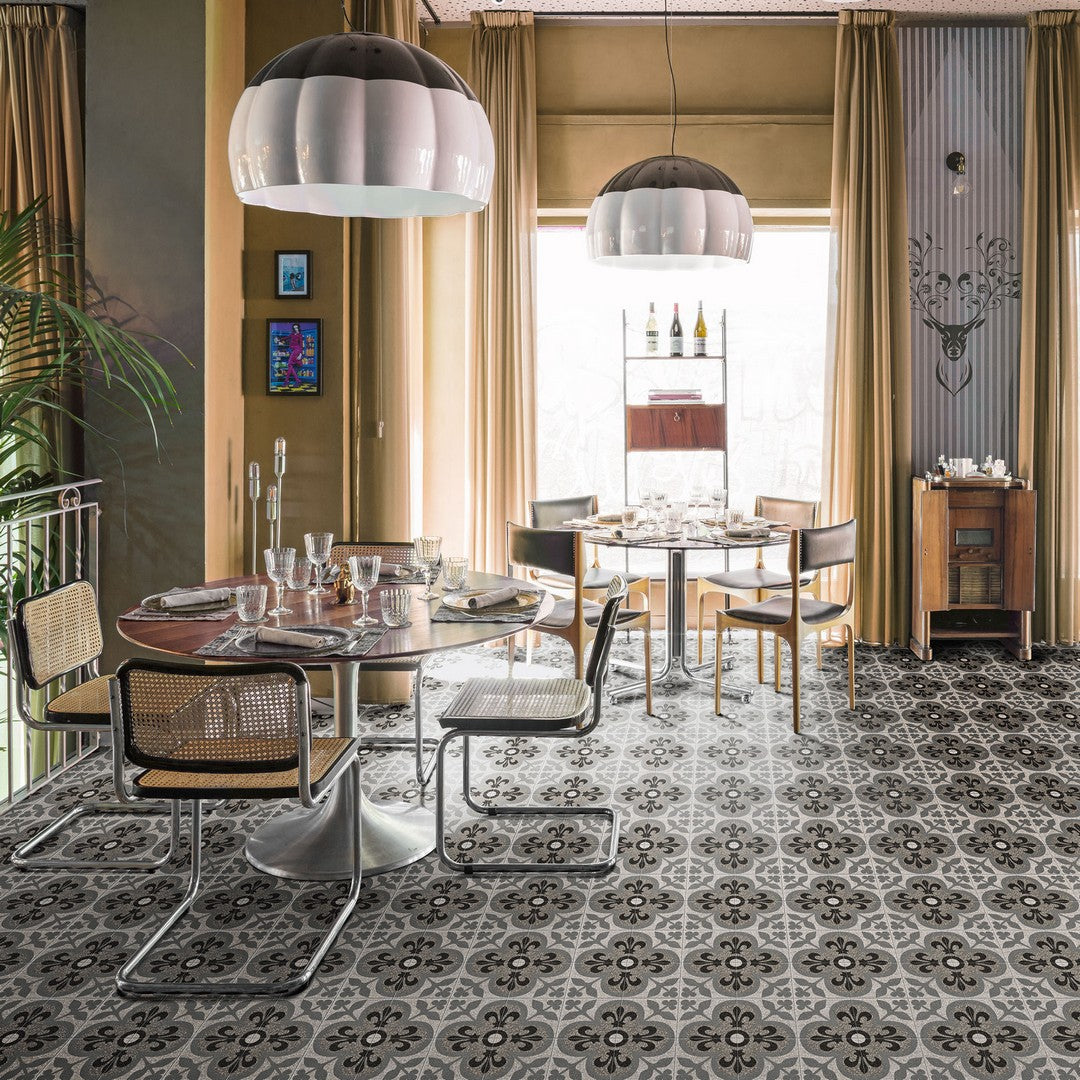
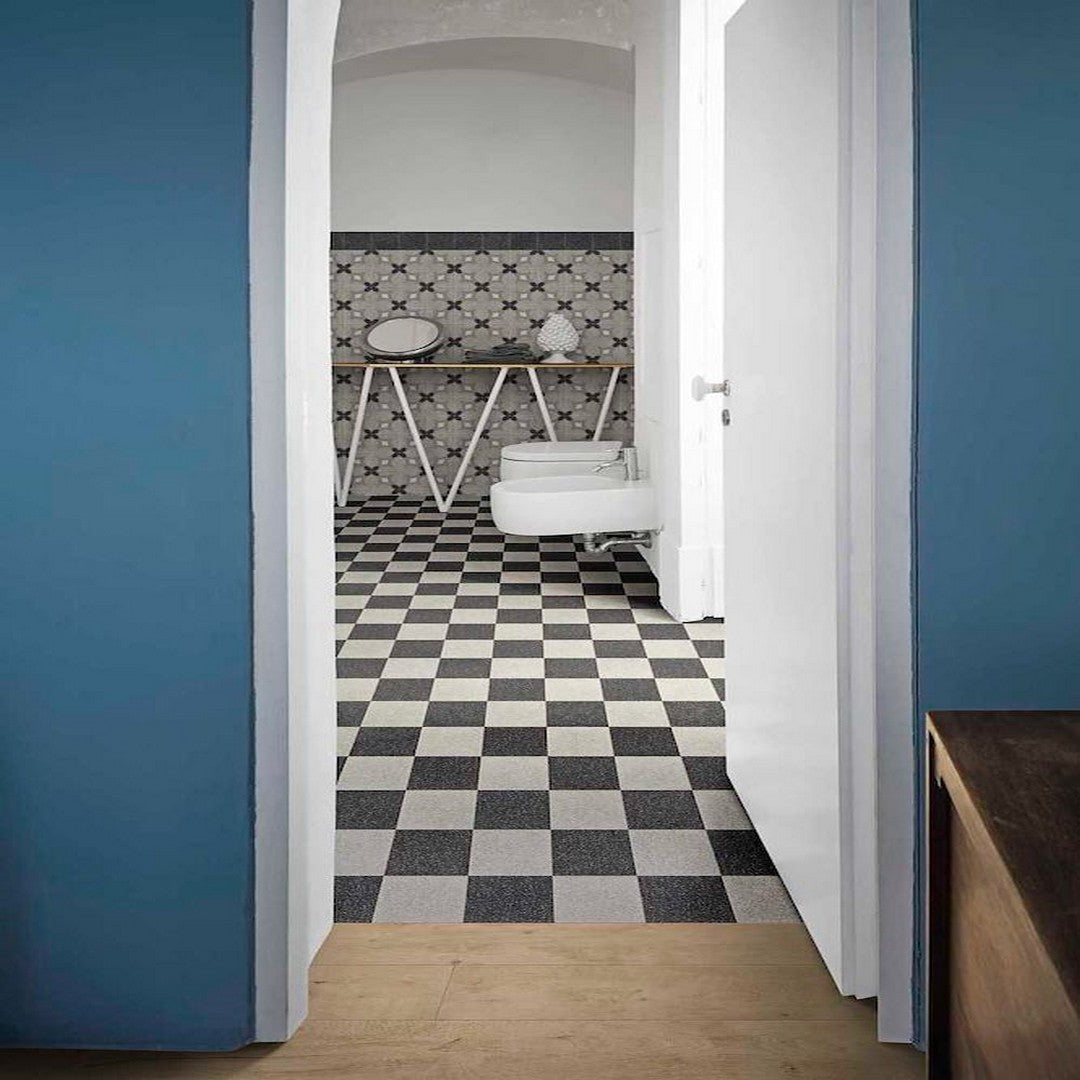
Marazzi D_Segni Terrazzo 8" x 8" Matte Porcelain TileWhat is Terrazzo?
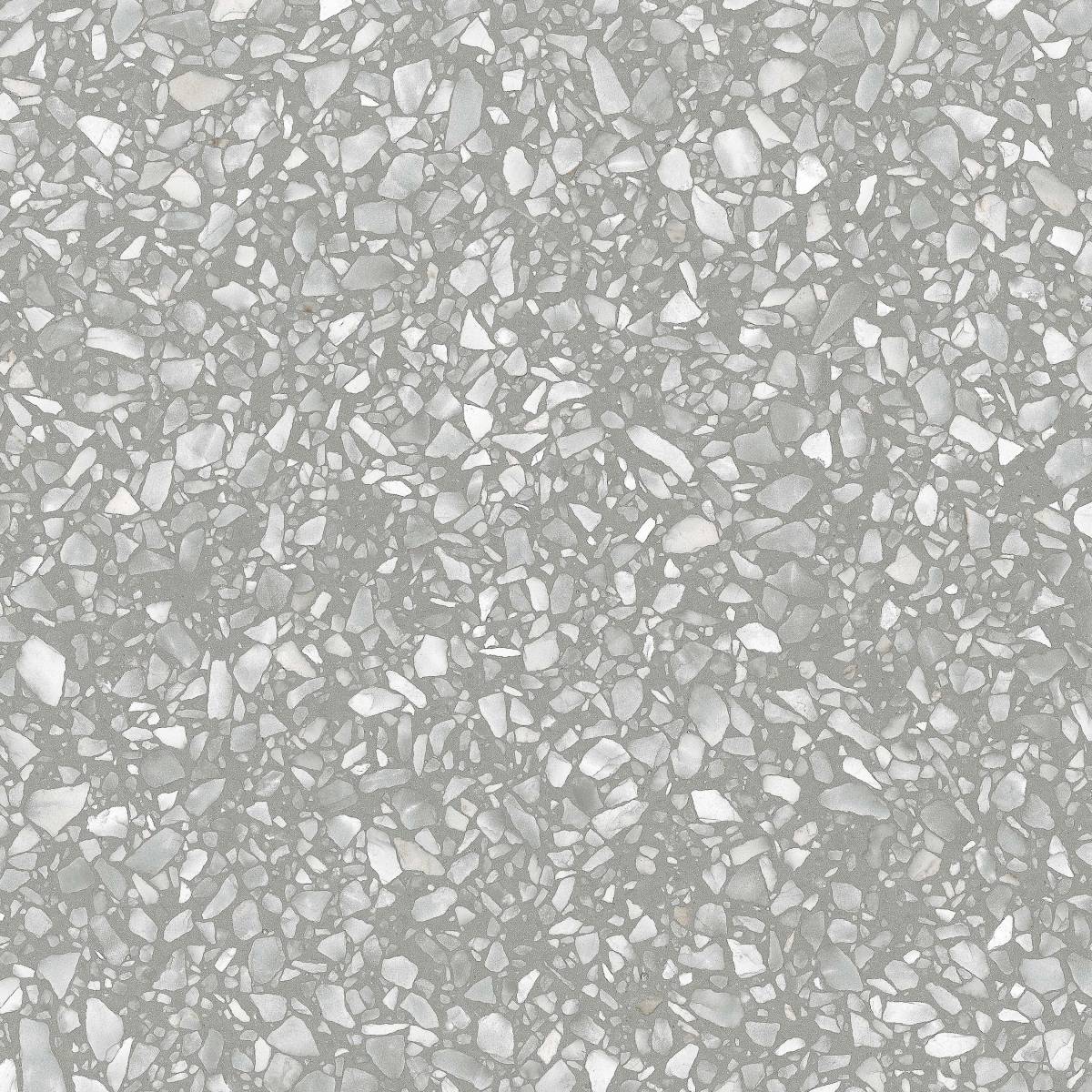
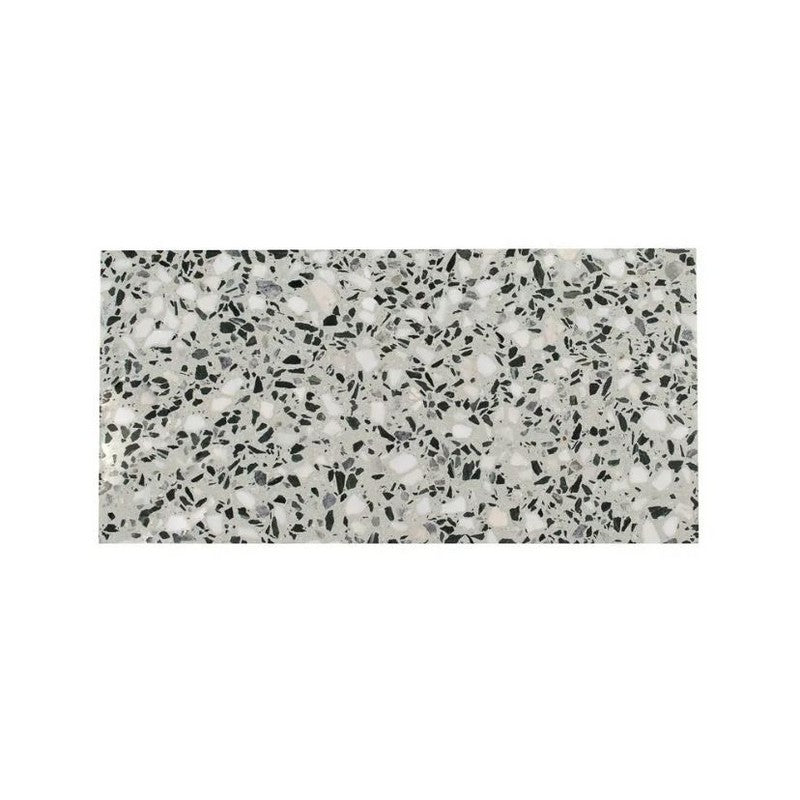
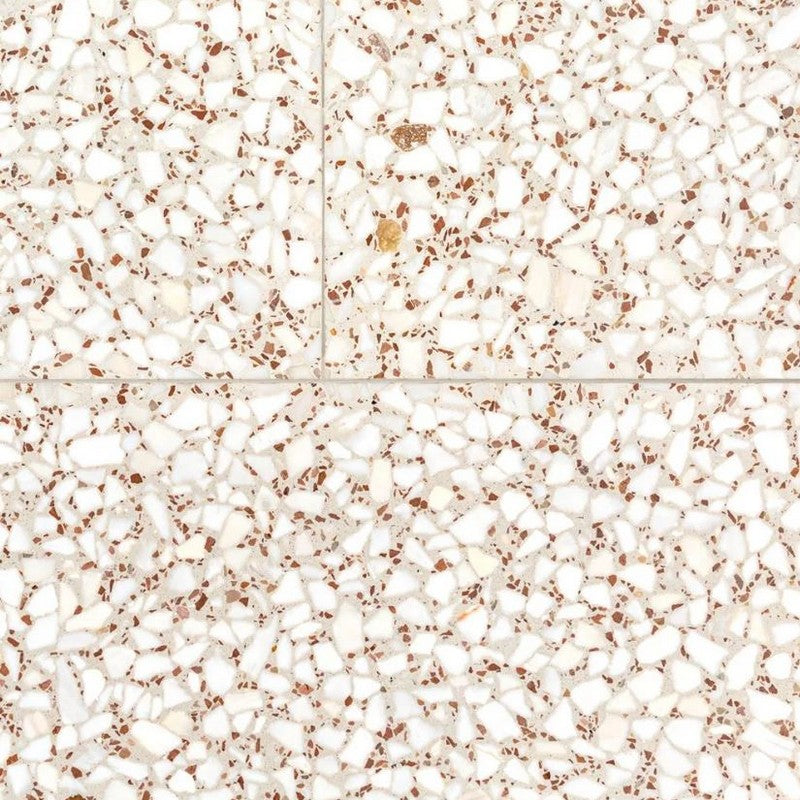
Traditional terrazzo is made by embedding small chips of marble, granite, quartz, glass, or other aggregates into a cement or epoxy binder. The surface is then polished or honed to expose the aggregate throughout the material.
The appearance of terrazzo changes depending on:
- aggregate size.
- surface finish.
- color contrast.
- tile scale.
- grout visibility after installation.
Smaller aggregate creates a calmer and more uniform surface, while larger chips introduce stronger movement and contrast across the floor or wall.
What is Terrazzo Tile?
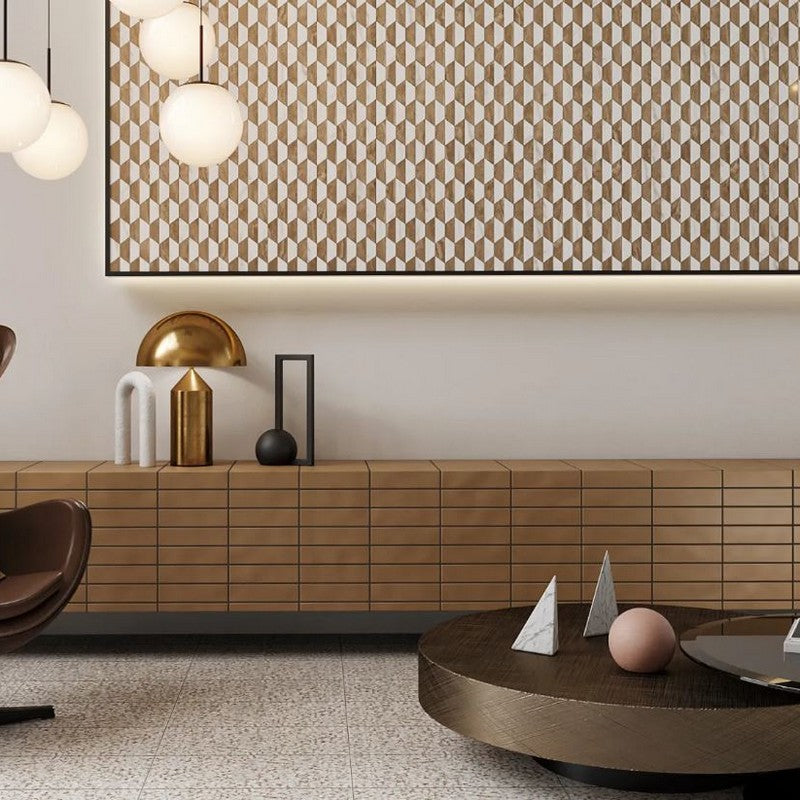
Terrazzo tile uses scattered stone, marble, quartz, or glass-like aggregate patterns to create movement across floors and walls without relying on heavy veining or repetitive surface visuals. The fragmented appearance breaks up large surfaces naturally, which is one reason terrazzo continues to remain popular across both residential and commercial interiors.
Modern terrazzo tiles are commonly available in porcelain, ceramic, and mosaic formats designed for bathrooms, kitchens, hallways, feature walls, and open-plan spaces.
Matte vs Polished Terrazzo Tile
Finish selection changes how terrazzo behaves visually once installed.
Matte Terrazzo Tile
Matte terrazzo softens reflection and reduces glare across the surface. This finish tends to create a flatter and more architectural appearance, especially in larger spaces or open-plan interiors.
Because reflection is lower, matte terrazzo also hides water marks, dust, and maintenance interruption more effectively than polished surfaces.
Polished Terrazzo Tile
Polished terrazzo reflects more light and exaggerates aggregate contrast, making the surface feel brighter and more active visually. This finish is commonly used in bathrooms, feature walls, and commercial spaces where reflection helps emphasize the terrazzo pattern itself.
Is Terrazzo Flooring Waterproof?
Terrazzo tile is generally water-resistant, but not fully waterproof.
Traditional cement-based terrazzo and natural terrazzo surfaces can absorb moisture if left unsealed. Regular sealing helps reduce moisture penetration, staining, and discoloration over time.
Porcelain terrazzo tile performs differently because porcelain surfaces are naturally denser and less porous, making them more resistant to water exposure in bathrooms, kitchens, and commercial environments.
Aggregate Size Changes the Surface
Aggregate scale has a major impact on how terrazzo feels once installed.
Small Aggregate Terrazzo
Smaller chips create a tighter and more controlled appearance. This type of terrazzo usually feels quieter visually and works well in bathrooms, minimalist interiors, and spaces where softer movement is preferred.
Large Aggregate Terrazzo
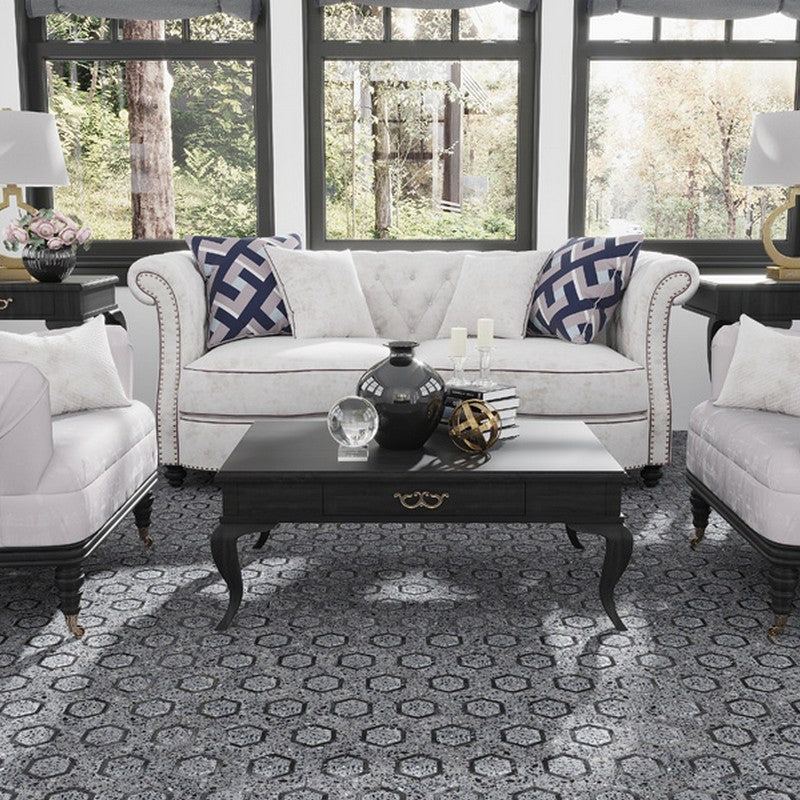
Larger chips create stronger contrast and more visible surface interruption. Large-format terrazzo patterns tend to feel more architectural and are commonly used in commercial-modern interiors and open-plan spaces where the flooring becomes part of the visual structure of the room.
Because terrazzo distributes movement randomly rather than directionally, it works differently than marble or wood-look surfaces once installed across larger areas.
Large Format vs Mosaic Terrazzo Tile
Tile size changes how terrazzo spreads visually across the room.
Large Format Terrazzo Tile
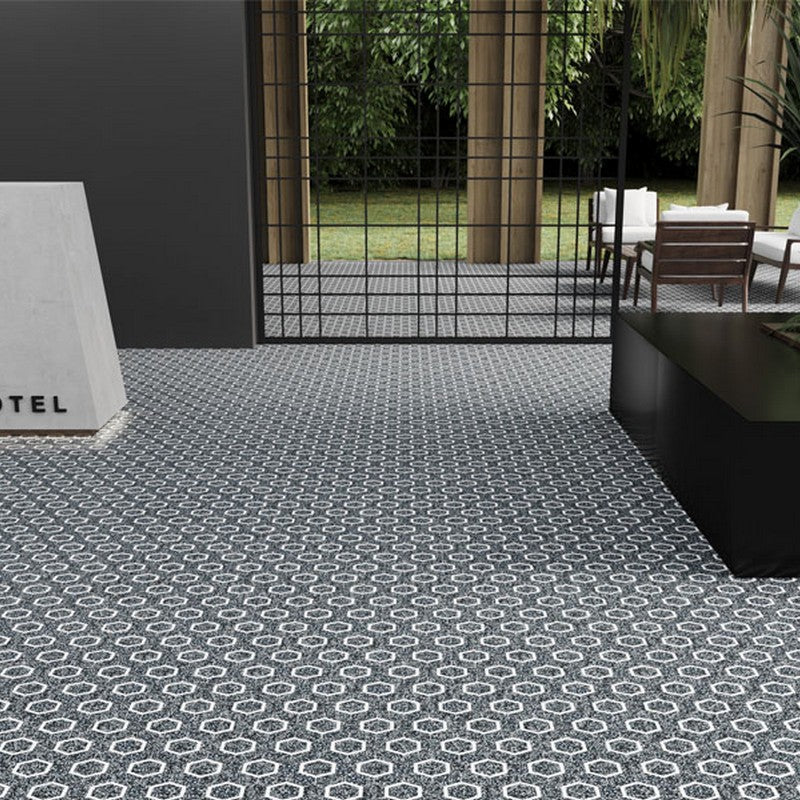
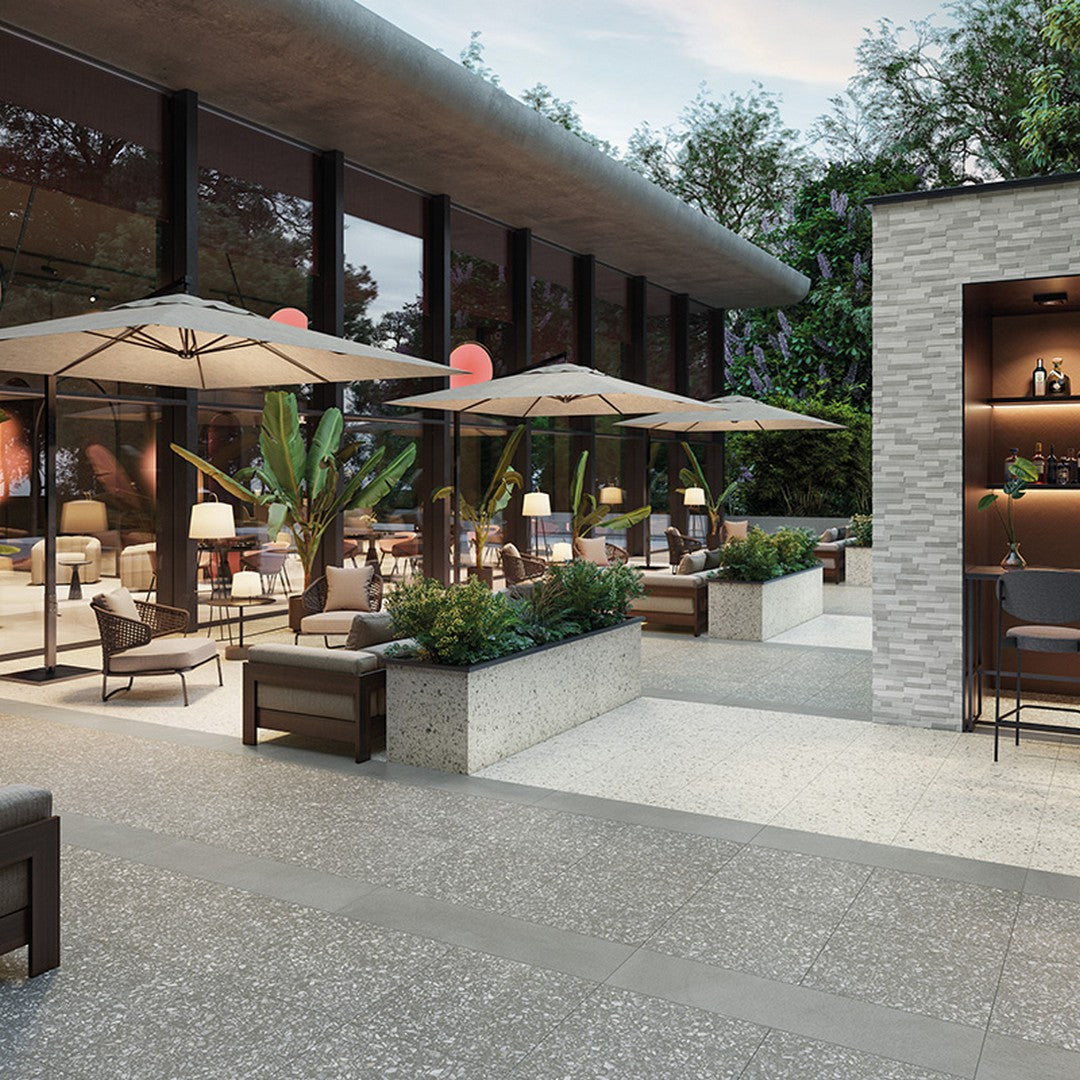
Large-format terrazzo creates broader surface continuity with fewer grout interruptions. This makes the aggregate pattern feel more continuous across open floors and commercial spaces.
Mosaic Terrazzo Tile
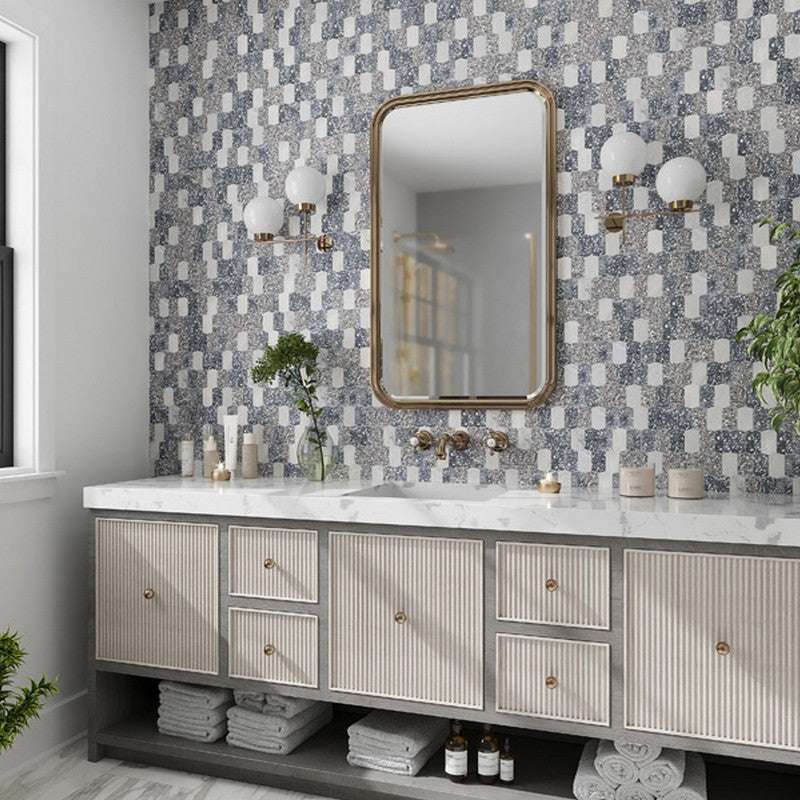
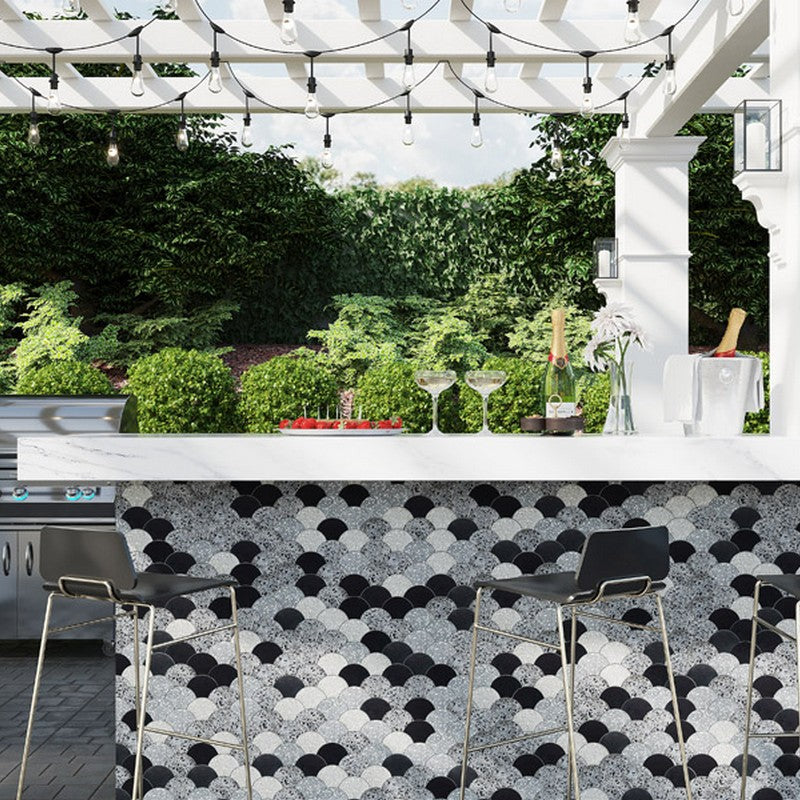
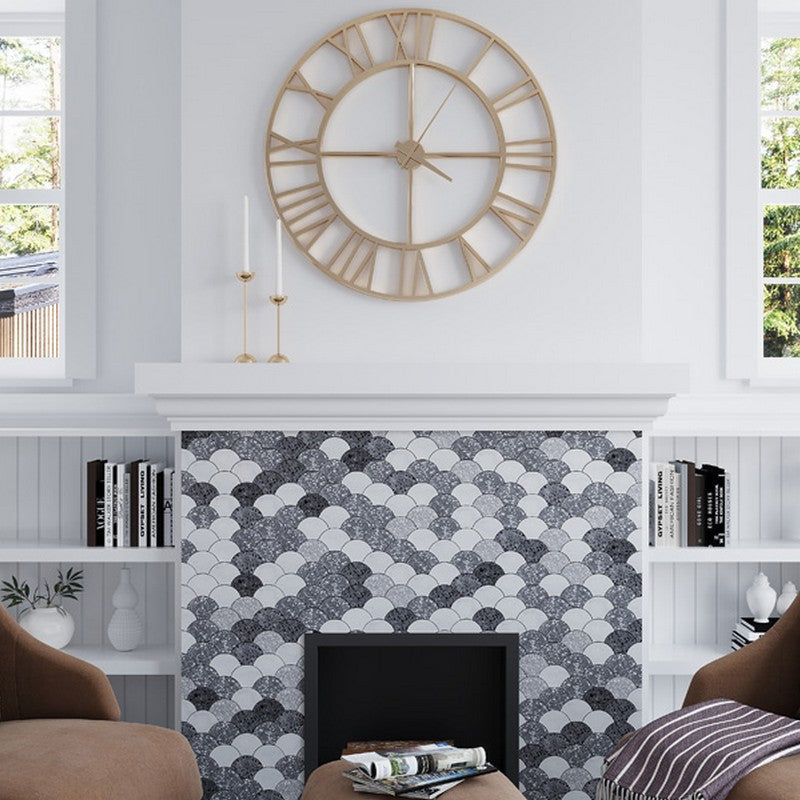
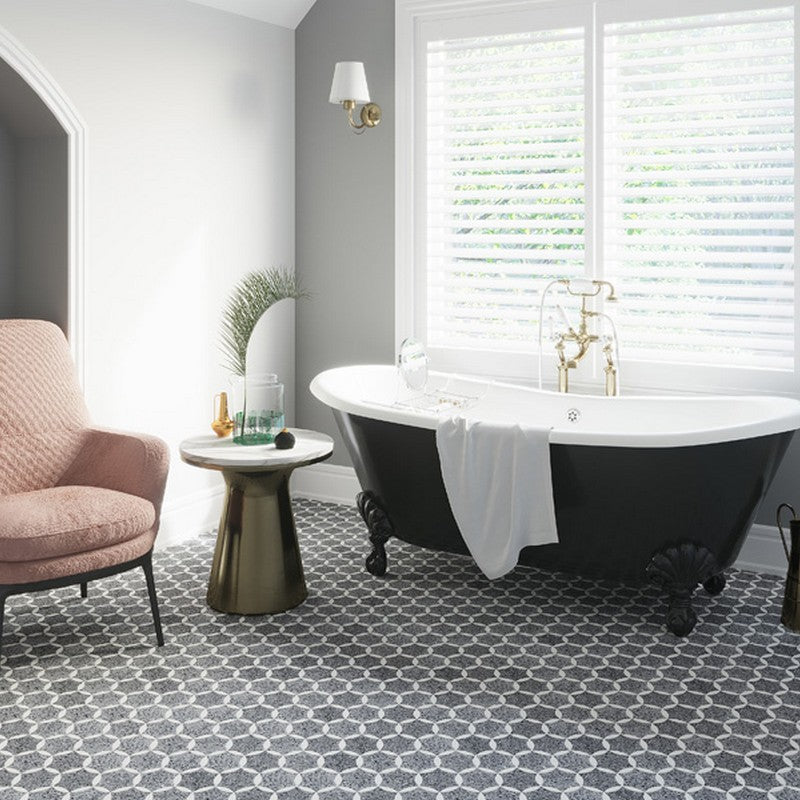
Smaller terrazzo mosaics introduce more grout structure and texture repetition. These formats are commonly used on shower floors, accent walls, backsplashes, and smaller feature areas where pattern detail becomes more visible at close range.
Where Terrazzo Tile Works Best
Terrazzo performs especially well in spaces where surfaces need movement without overwhelming the room visually.
Common applications include:
- Bathroom floors and walls.
- Kitchen floors and backsplashes.
- Hallways and entryways.
- Commercial interiors.
- Open-plan residential spaces.
- Feature walls and accent areas.
Because the aggregate pattern distributes visual interruption naturally, terrazzo works well across large surfaces where plain concrete or solid-color tile might feel too flat or empty.
How Much Do Terrazzo Tile Cost?
Terrazzo tile pricing varies depending on material type, format, and design complexity.
- Terrazzo tiles generally range from $15 to $70 or more per square foot.
- Porcelain terrazzo tiles tend to sit at the more affordable end of the range.
- Custom or large-format terrazzo tiles with intricate aggregate patterns lean toward the higher end.
-
Poured-in-place terrazzo typically costs more than pre-made terrazzo tiles.
Why Terrazzo Continues to Stay Relevant
Terrazzo remains popular because the surface creates movement without forcing strong directional patterns across the room.
Unlike wood grain or marble veining, terrazzo distributes visual texture randomly. This allows the surface to feel active while still maintaining balance across larger floors and walls.
That flexibility allows terrazzo tile to work across:
- modern interiors.
- commercial spaces.
- minimalist architecture.
- retro-inspired designs.
- contemporary bathrooms and kitchens.
FAQs
Q) Which is more expensive, terrazzo or quartz?
A) Terrazzo is generally more expensive than quartz, particularly for poured-in-place or custom designs. Terrazzo tiles range from $15 to $70 or more, while quartz varies from $50 to $120 or more. For mid-range comparisons, costs can be closer depending on design complexity and format.
Q) Is terrazzo tile hard to maintain?
A) Terrazzo tile is relatively low maintenance. Regular sweeping and mopping keep the surface clean. Sealing is recommended for cement-based terrazzo, while porcelain terrazzo requires less ongoing maintenance due to its denser surface.
Q) Can terrazzo tile be used outdoors?
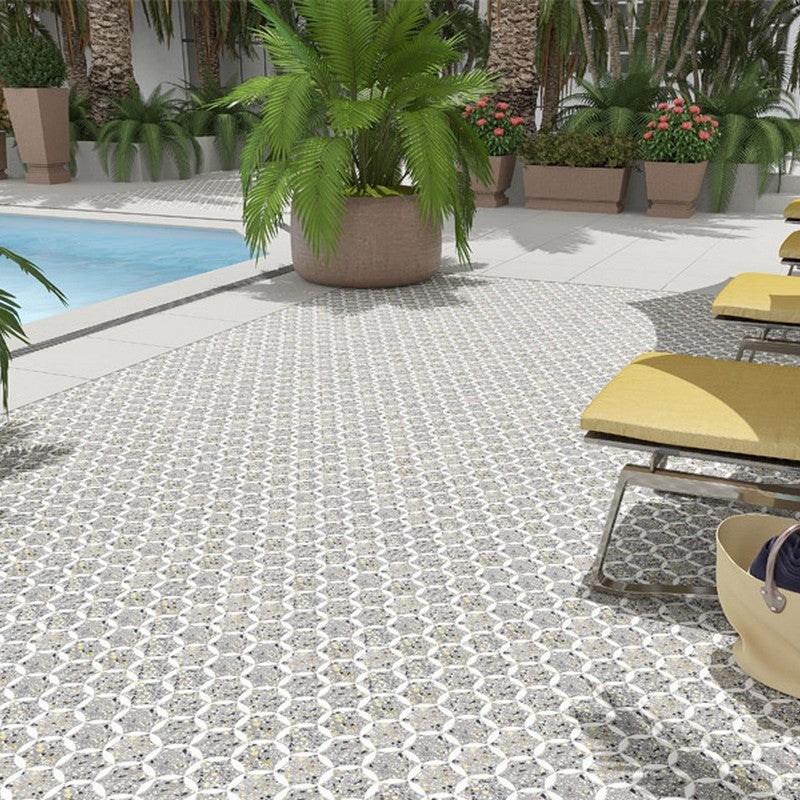
A) Some terrazzo tiles, particularly porcelain formats with textured finishes, can be used in outdoor spaces. Always check slip resistance ratings and confirm the tile is rated for outdoor use before installation.
Q) What is the difference between matte and polished terrazzo tile?
A) Matte terrazzo softens reflection and hides watermarks and dust more effectively. Polished terrazzo reflects more light and emphasizes the aggregate pattern, making it a popular choice for bathrooms and commercial spaces.