

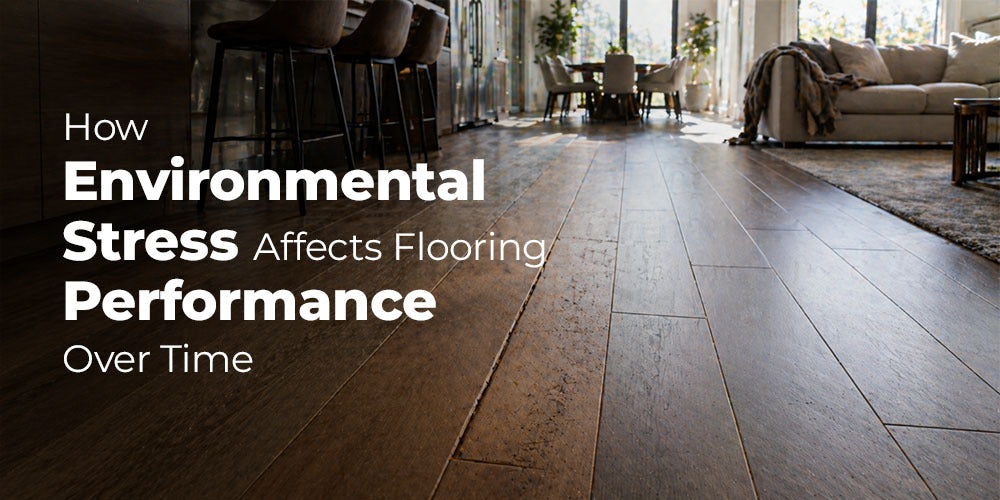
Flooring is one of the most used surfaces in any home, yet its long-term performance is often misunderstood. While homeowners focus on design, color, and cost, the real test of flooring begins after installation, when it starts reacting to its environment.
Over time, factors such as temperature changes, humidity, moisture exposure, and daily wear begin to affect how flooring looks, feels, and performs. These environmental stresses don’t always cause immediate damage, but they gradually impact durability, stability, and lifespan.
At Floors Center, we help homeowners choose flooring solutions that are built to handle real-world conditions. Understanding how environmental stress affects flooring is essential for making decisions that ensure long-term performance.
What Is Environmental Stress in Flooring?
Environmental stress refers to the external conditions that influence how flooring materials behave over time. These factors are often subtle but continuous, gradually affecting the structure and surface of the floor.
The most common environmental stress factors include:
- Temperature fluctuations.
- Humidity levels.
- Moisture exposure.
- Foot traffic and load pressure.
- Indoor air conditions.
Each of these elements interacts with flooring materials differently, which is why choosing the right type of flooring is critical.
Temperature Changes and Material Expansion

All flooring materials respond to temperature changes. As temperatures rise, materials expand. When temperatures drop, they contract.
This natural movement can lead to:
- Gaps between planks.
- Buckling or lifting.
- Surface stress over time.
For example, hardwood flooring is particularly sensitive to temperature and humidity changes, which is why proper installation and spacing are essential.
Modern flooring solutions are designed to handle these changes more effectively, but understanding this behavior helps prevent long-term issues.
Humidity: The Silent Influencer
Humidity levels inside a home can have a major impact on flooring performance.
High humidity can cause materials to absorb moisture and expand, while low humidity can lead to shrinkage and cracking. Over time, this repeated cycle weakens the structure of the flooring.
This is especially important in regions where seasonal humidity changes are significant.
Materials that handle humidity better include:
Choosing the right material for your environment reduces the risk of long-term damage.
Moisture Exposure and Long-Term Damage

Moisture is one of the most damaging environmental factors for flooring.
It can come from:
- Spills and cleaning.
- Subfloor moisture.
- Outdoor elements tracked indoors.
- Plumbing and roof leaks.
In rain- and hurricane-prone areas such as South Florida, timely roof repair in Boynton Beach can help prevent recurring water intrusion from reaching the subfloor and finished flooring.
Over time, moisture can cause:
- Warping in wood flooring.
- Adhesive failure.
- Mold growth beneath the flooring.
- Surface discoloration.
This is why moisture-resistant flooring is essential in areas like kitchens, bathrooms, and entryways.
Daily Foot Traffic and Surface Wear
Environmental stress is not limited to climate it also includes how flooring is used.
High-traffic areas experience:
- Continuous friction.
- Dirt and debris abrasion.
- Pressure from movement.
This leads to gradual surface wear, especially in areas like:
- Hallways.
- Living rooms.
- Entryways.
Durable materials such as vinyl, laminate, and tile are designed to handle this type of stress effectively.
Impact of Furniture and Load Pressure
Heavy furniture and appliances create constant pressure on flooring surfaces. Over time, this can lead to:
- Indentations.
- Uneven wear.
- Structural stress.
The ability of flooring to handle this pressure depends on its density and construction.
Carpet and softer materials may show compression, while harder surfaces like tile and laminate maintain their shape more effectively.
Indoor Air Conditions and Flooring Performance
Indoor air quality and ventilation also play a role in flooring longevity.
Poor ventilation can lead to:
- Increased humidity.
- Trapped moisture.
- Temperature inconsistencies.
These conditions accelerate wear and reduce the lifespan of flooring materials.
Maintaining a balanced indoor environment helps flooring perform consistently over time.
Subfloor and Environmental Interaction
Environmental stress doesn’t only affect the surface it also impacts what lies beneath.
Subfloors can absorb moisture, expand, or weaken under environmental pressure. When this happens, the flooring above it may:
- Shift or move.
- Develop uneven surfaces.
- Experience structural instability.
This is why proper subfloor preparation and moisture control are essential for long-term performance.
Choosing Flooring That Handles Environmental Stress
Best Flooring for Moisture-Prone Areas
Best Flooring for High-Traffic Homes
Best Flooring for Comfort and Design
Floors Center offers a wide range of options designed to handle different environmental conditions.
Preventing Environmental Damage
While environmental stress cannot be completely avoided, its impact can be minimized through smart decisions.
Key prevention strategies include:
- Choosing the right flooring material.
- Ensuring proper installation.
- Controlling indoor humidity levels.
- Cleaning regularly to reduce abrasion.
- Use protective pads under furniture.
These steps significantly extend the life of your flooring.
Why Floors Center Is the Right Choice
At Floors Center, we understand that flooring performance goes beyond appearance. Our focus is on helping customers select products that can withstand real-world conditions.
We offer:
- A wide range of flooring categories.
- High-quality materials designed for durability.
- Affordable solutions for every budget.
- Expert guidance based on your environment.
Whether you need hardwood, vinyl, laminate, tile, or carpet, Floors Center provides options that balance performance with design.
Final Thoughts
Environmental stress is one of the most important factors affecting flooring performance over time. Temperature changes, humidity, moisture, and daily use all play a role in determining how long your floors will last.
By understanding these factors, homeowners can make better decisions and avoid common issues such as warping, cracking, and premature wear.
Choosing the right flooring is not just about style, it’s about selecting materials that can adapt to your environment and maintain their performance over time.
With the right approach and the right products from Floors Center, you can invest in flooring that remains durable, stable, and visually appealing for years to come.
Frequently Asked Questions (FAQs)
Q) How does humidity affect flooring performance?
A) Humidity causes materials like wood to expand and contract, which can lead to gaps, warping, or structural damage over time.
Q) Which flooring is best for handling environmental stress?
A) Vinyl and tile flooring are highly resistant to moisture and temperature changes, making them ideal for challenging environments.
Q) Can environmental stress damage new flooring?
A) Yes, even new flooring can be affected if it is not suited to the environment or installed properly.
Q) How can I protect my flooring from environmental damage?
A) Maintaining proper humidity levels, cleaning regularly, and using protective measures like furniture pads can help extend flooring lifespan.
Q) Does subfloor condition affect flooring performance?
A) Yes, a poorly prepared subfloor can lead to uneven wear, movement, and reduced durability.