

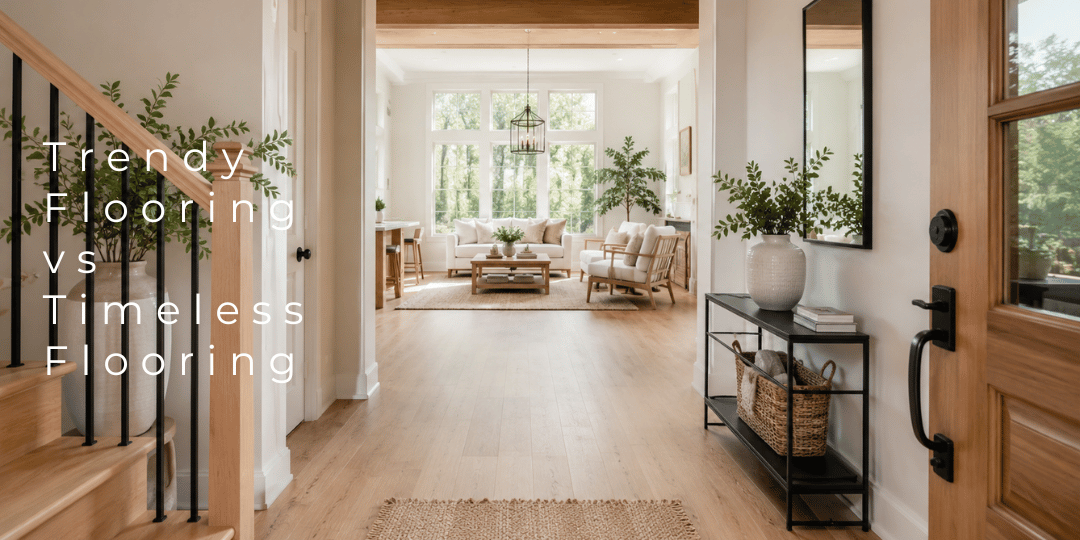
Flooring is one of the most important design decisions in any home. It covers a large visual surface, affects the atmosphere of every room, and plays a major role in how buyers judge the quality of a property. Because flooring is not something most homeowners replace frequently, the choice between trendy flooring and timeless flooring matters more than many people realize.
Trendy flooring can make a home feel fresh, current, and visually distinctive. Timeless flooring, on the other hand, focuses on long-term appeal, design flexibility, and lasting value. Both options can work well, but they serve different goals.
At Floors Center, we help homeowners choose flooring that fits their lifestyle, design taste, and long-term plans. If your goal is to maximize home value, reduce the risk of outdated interiors, and create a floor that still looks relevant years later, it is important to understand how trends and timeless design behave over time.
What Is Trendy Flooring?
Trendy flooring refers to styles, colors, patterns, or materials that become popular during a specific design period. These choices often reflect current interior design movements and are commonly seen across social media, model homes, renovation shows, and design magazines.
Examples of trendy flooring may include:
- Bold patterned tiles.
- High-contrast wood looks.
- Very dark or very pale floors.
- Strong gray tones.
- Unusual plank layouts.
- Highly dramatic color variation.
Trendy flooring can be exciting because it creates instant visual impact. It helps a home feel modern and personalized. However, the challenge is that trends change. A flooring style that feels fresh today may feel dated within a few years if it is too strongly tied to a short-term design movement.
What Is Timeless Flooring?
Timeless flooring refers to materials, colors, and designs that remain visually appealing across many years and design cycles. Instead of relying heavily on current trends, timeless flooring focuses on balance, quality, natural appearance, and adaptability.
Common timeless flooring features include:
- Natural wood tones.
- Neutral colors.
- Classic tile formats.
- Subtle texture.
- Balanced grain patterns.
- Matte or low-sheen finishes.
- Clean layouts.
Timeless flooring is not boring. It simply avoids extreme design choices that may lose appeal quickly. The goal is to create a floor that supports different furniture styles, wall colors, and decor updates over time.
Why Long-Term Value Matters in Flooring Decisions

Flooring is a long-term investment. Unlike paint, decor, or lighting, replacing flooring often requires more time, labor, and cost. It can also interrupt daily life, especially when multiple rooms are involved.
When evaluating long-term value, homeowners should consider:
- Durability.
- Maintenance needs.
- Resale appeal.
- Design flexibility.
- Replacement cost.
- Lifestyle compatibility.
A floor adds value when it continues to perform well, looks appropriate with changing interiors, and appeals to future buyers.
The Resale Impact of Flooring Choices
Homebuyers often notice flooring immediately when walking through a property. Floors that appear clean, durable, and visually balanced can make a home feel better maintained.
Timeless flooring usually has broader resale appeal because it does not force buyers into one specific design style. Neutral hardwood, natural-look vinyl, classic tile, and balanced laminate designs often feel easier for buyers to imagine with their own furniture.
Trendy flooring may appeal strongly to some buyers but may also limit interest if the design feels too specific. For example, a bold patterned floor may be loved by one buyer and disliked by another. In resale situations, broad appeal often matters more than personal expression.
When Trendy Flooring Makes Sense
Trendy flooring is not automatically a poor choice. In the right space, it can create strong character and increase engagement.
Trendy flooring works best when:
- The homeowner plans to stay long-term.
- The design reflects personal taste.
- The trend is used in a smaller area.
- The flooring can be replaced without major disruption.
- The rest of the interior is balanced.
For example, a bold mosaic tile in a powder room or a stylish backsplash tile in a kitchen can add personality without overwhelming the entire home.
Using trends selectively helps create visual interest while protecting long-term value.
Where Timeless Flooring Performs Best
Timeless flooring is often the smarter choice for large, high-visibility areas. Since these spaces influence the entire feel of the home, choosing a balanced flooring style reduces the risk of the interior looking outdated.
Timeless flooring works especially well in:
- Living rooms.
- Hallways.
- Kitchens.
- Open-concept spaces.
- Bedrooms.
- Main floors.
In these areas, homeowners often benefit from flooring that creates continuity and supports multiple design styles.
Hardwood Flooring: A Strong Timeless Choice
Hardwood flooring is one of the strongest examples of timeless flooring. Its natural texture, warmth, and long-standing appeal make it desirable across many home styles.
Classic hardwood choices such as oak, maple, walnut, hickory, ash, and acacia each bring their own character. Oak remains especially versatile because it works well with both traditional and modern interiors.
Hardwood can also add long-term value because many buyers associate it with quality and permanence. While certain stains may go in and out of style, natural and balanced wood tones tend to remain relevant longer than extreme colors.
Vinyl Flooring: Trend-Friendly and Practical
Vinyl flooring has become highly popular because it offers durability, water resistance, and design flexibility. It can replicate hardwood, stone, and tile looks while remaining easier to maintain in busy homes.
Vinyl can be either trendy or timeless depending on the design selected. A neutral wood-look vinyl plank can feel timeless, while a highly dramatic gray or high-contrast pattern may feel more trend-driven.
For homeowners who want practical performance with long-term appeal, vinyl plank in natural wood tones can be a strong choice.
Tile Flooring: Classic or Statement-Driven
Tile offers one of the widest ranges of design possibilities. It can be classic, modern, bold, or understated depending on size, color, material, and finish.
Timeless tile choices often include:
- Natural stone looks.
- Marble-inspired surfaces.
- Matte neutral tiles.
- Subway tiles.
- Large-format tiles.
Trendy tile can also be valuable when used carefully. Patterned tiles, glossy finishes, and bold shapes can create personality in bathrooms, backsplashes, and accent areas without dominating the entire home.
Laminate Flooring: Affordable Long-Term Style
Laminate flooring is a practical option for homeowners who want the look of wood at a more accessible price point. Modern laminate has improved significantly in durability, texture, and visual realism.
For long-term value, laminate flooring works best in natural wood tones, moderate plank widths, and finishes that are not overly glossy or overly gray. These choices help the floor feel more adaptable as interior styles change.
Carpet: Comfort vs Long-Term Value
Carpet remains useful in bedrooms, family rooms, and comfort-focused spaces. It provides softness, warmth, and sound absorption.
From a timeless perspective, carpet is usually safest in neutral tones such as beige, taupe, warm gray, or soft brown. Highly saturated colors or strong patterns can feel dated faster and may limit resale appeal.
Bamboo, Cork, and Rubber Flooring
Some homeowners want flooring that offers a more specialized performance benefit. Floors Center also includes bamboo, cork, and rubber flooring categories, each serving different needs.
Bamboo can feel modern and natural, cork offers softness and comfort, and rubber is practical for gyms, utility spaces, and high-impact areas. These options may not always be the first choice for resale-driven main living areas, but they can add value when matched to the right space.
Color Choice: The Biggest Difference Between Trendy and Timeless
Color is one of the fastest ways for flooring to become dated. Flooring colors that are too extreme often lose appeal sooner.
Trendy color choices may include:
- Very cool gray floors.
- Ultra-whitewashed finishes.
- Very dark espresso tones.
- High-contrast multi-tone planks.
Timeless color choices usually include:
- Natural oak.
- Warm beige.
- Light brown.
- Soft walnut.
- Balanced greige.
- Neutral stone tones.
A timeless color does not have to be plain. It simply needs enough flexibility to work with different furniture, wall colors, and decor trends.
Finish and Texture Matter Too
Flooring finish also affects long-term value. Glossy finishes can look dramatic but may show scratches, dust, and wear more easily. Matte and low-sheen finishes often age more gracefully because they reduce glare and hide minor imperfections.
Textured surfaces can add depth and help flooring feel more natural. However, overly heavy texture may become harder to clean or too style-specific.
The best long-term choice is usually a balanced finish that provides character without becoming visually overwhelming.
The Smartest Approach: Use Trends in Smaller Areas

Homeowners do not have to choose only trendy or only timeless flooring. The most practical strategy is often to combine both.
Use timeless flooring in:
- Main living areas.
- Hallways.
- Large open spaces.
- Bedrooms.
- Resale-sensitive rooms.
Use trendy flooring in:
- Powder rooms.
- Laundry rooms.
- Backsplashes.
- Accent walls.
- Small bathrooms.
This approach allows homeowners to enjoy current design styles while keeping the larger investment more stable.
Which Choice Adds More Long-Term Value?
For most homeowners, timeless flooring adds more long-term value because it offers broader appeal, better design flexibility, and reduced risk of looking outdated.
However, trendy flooring can still add value when used strategically. It can make a home feel updated, memorable, and stylish, especially in smaller areas where bold design creates impact without overwhelming the property.
The best flooring decision depends on your goals:
- If you want resale appeal, choose timeless flooring.
- If you want personality, use trends selectively.
- If you want both, keep major floors neutral and add trend-driven details in accent spaces.
Why Floors Center Helps Homeowners Make Smarter Flooring Decisions
At Floors Center, flooring is not treated as a simple style choice. We help homeowners think about how flooring will perform visually and practically over time.
Whether you are considering hardwood, vinyl, laminate, tile, carpet, bamboo, cork, or rubber flooring, the right decision should support your lifestyle, design goals, and long-term value.
A smart flooring choice should look good today and continue to make sense years from now.
Final Thoughts
Trendy flooring can bring personality, freshness, and visual interest to a home. Timeless flooring provides stability, flexibility, and stronger long-term value. Both have a place in good design, but they should be used with different levels of commitment.
For large areas and resale-sensitive spaces, timeless flooring is usually the safer and more valuable investment. For smaller rooms and accent areas, trendy flooring can create character without creating long-term risk.
The best home interiors are not built by avoiding trends completely. They are built by knowing where trends belong and where timeless choices matter most.
Frequently Asked Questions
Q) Is trendy flooring bad for resale value?
A) Not always. Trendy flooring can improve visual appeal when used carefully, but highly specific styles may reduce resale appeal if buyers see them as outdated or difficult to match.
Q) What flooring style is considered timeless?
A) Natural hardwood, neutral vinyl plank, classic porcelain tile, subway tile, natural stone looks, and balanced wood tones are commonly considered timeless flooring choices.
Q) Should I choose trendy flooring if I plan to sell my home?
A) If resale is a priority, choose timeless flooring for major areas and use trendy designs only in smaller spaces such as powder rooms, backsplashes, or laundry rooms.
Q) What flooring color adds the most long-term value?
A) Natural wood tones, warm neutrals, soft browns, balanced greige, and neutral stone colors usually provide stronger long-term design flexibility than extreme gray, black, or high-contrast tones.
Q) Can vinyl flooring be timeless?
A) Yes. Vinyl flooring can be timeless when selected in natural wood tones, subtle textures, and balanced plank formats. It becomes more trend-driven when the color or pattern is too extreme.
1 comment
Bathroom Designing services
Great article! I especially liked the point about using trendy flooring in smaller spaces such as bathrooms while keeping larger areas more timeless. Choosing the right tiles, colors, textures, and finishes can make a big difference in creating a stylish and practical bathroom. Professional bathroom designing services can also help homeowners combine modern trends with functional design without making the space feel outdated too quickly. For bathroom Designing services visit website https://eliteconstruction.com.pk/services/bathroom-designing-services/