
Bedrosians Brick Tiles
2 products
Showing 1 - 2 of 2 products


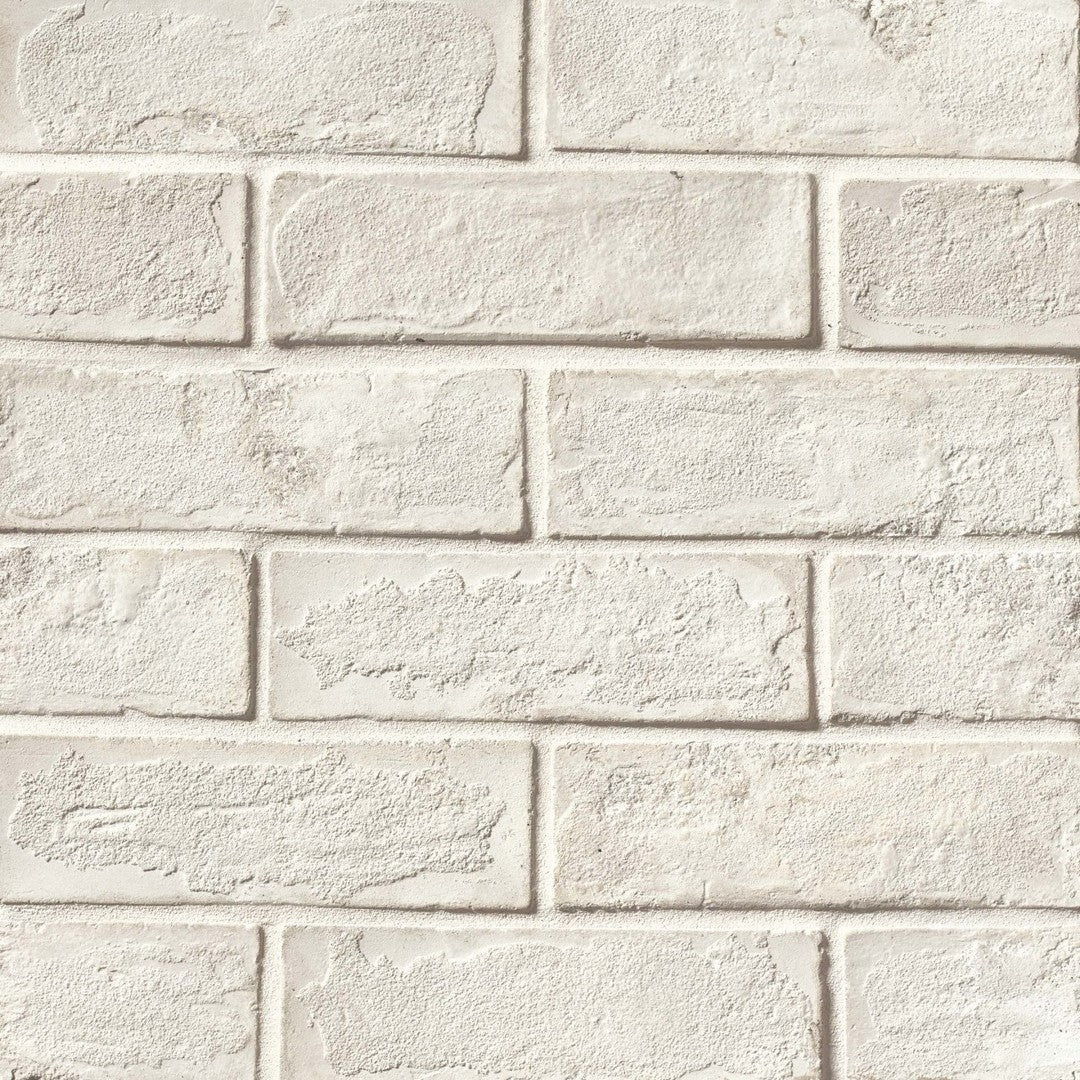
Bedrosians Avondale 2" x 8" Matte Antik Brick TileWhat Defines Brick Tile
Brick tile collections are built around narrow rectangular formats inspired by traditional brick layouts but adapted for modern interior surfaces.
Because the format contains more joints and edge interruption, light behaves differently across the surface. Glossy brick tile tends to exaggerate glaze movement and edge variation, while matte finishes soften reflection and create a flatter, more grounded appearance.
This is one reason brick tile continues to remain popular across both modern and traditional interiors. The format creates movement and texture without depending on oversized patterns or heavy visual contrast.
Bedrosians Brick Tile
Bedrosians brick tile uses elongated formats, layered glazes, and surface variation to create movement across walls and backsplashes without relying on oversized patterns. Smaller brick layouts break the surface into repeated directional lines, which changes how light, grout, and texture behave once installed.
Where Bedrosians Brick Tile Works Best
Brick tile performs best in vertical applications where surface texture, grout structure, and directional layout remain visible at close range.
Common applications include:
- Kitchen backsplashes.
- Bathroom walls and shower surrounds.
- Fireplace surrounds.
- Accent walls and niches.
- Bar areas and decorative panels.
In smaller spaces, brick tile adds texture without overwhelming the wall. The repeated narrow format creates movement across the surface while still keeping the layout controlled.
Finish and Surface
Finish selection changes how brick tile reacts to light, maintenance visibility, and surface movement.
Matte Brick Tile
Matte finishes absorb more light and reduce glare across the surface. This creates a softer appearance and hides fingerprints, water spots, and uneven reflection more effectively in kitchens and bathrooms.
Matte brick tile tends to feel flatter and more grounded visually, especially when paired with lighter grout tones.
Glossy Brick Tile
Glossy brick tile reflects more light and increases visual contrast across edges, grout joints, and glaze variation.
Under direct lighting, glossy finishes make surface rippling and handmade edges more noticeable. This is why glossy brick tile is commonly used on backsplashes and feature walls where reflection helps create depth across smaller tile formats.
Darker grout with glossy brick tile creates stronger separation between each piece, while matching grout produces a more continuous surface.
Handmade and Textured Looks
Many Bedrosians collections intentionally include slight edge irregularities, glaze variation, and surface movement to prevent the wall from appearing flat after installation.
These variations become especially visible under under-cabinet lighting, bathroom vanity lighting, or direct natural light. Instead of creating a perfectly uniform wall, the surface shifts slightly across each tile, adding depth without introducing large-scale pattern repetition.
Brick Tile Layout Options
Layout direction changes how brick tile spreads movement across the wall.
Common installation patterns include:
- Classic offset brick layout
- Horizontal stacked layout
- Vertical stacked layout
- Herringbone installation
Horizontal layouts stretch visual movement across the wall, making backsplashes and feature areas feel wider.
Vertical layouts emphasize height and create cleaner directional lines, especially in modern bathrooms and shower walls.
Herringbone layouts introduce more interruption and directional change, making the surface feel more active and textured.
Why Brick Tile Continues to Stay Relevant
Brick tile survives design shifts because the format reacts well to changing finishes, grout styles, and installation patterns.
A glossy handmade brick tile can feel highly decorative under direct lighting, while a matte stacked layout with matching grout can feel restrained and architectural. The format adapts without losing the surface movement that makes smaller tile layouts visually effective.
Unlike large-format walls that rely heavily on slab visuals or minimal grout lines, brick tile uses repetition, spacing, and edge definition to create texture across the installation itself.
That flexibility is what keeps brick tile relevant across:
- modern kitchens.
- farmhouse interiors.
- transitional bathrooms.
- contemporary feature walls.
without the layout feeling tied to a single design trend.


