


Homogeneous Sheet Vinyl
14 products
Showing 1 - 14 of 14 products


Tarkett Melodia 6'6" x 75.5' Homogeneous Vinyl Sheet

Armstrong Natralis 6' x 52.5' Low Gloss Vinyl Homogeneous Sheet

Tarkett iQ Granit Acoustic 6'6" x 75' Homogeneous vinyl Sheet 2mil

Tarkett iQ Optima Acoustic 6'6" x 82' Homogeneous vinyl Sheet 2mil

Tarkett iQ Granit 6'6" x 82'7" Homogeneous Vinyl Sheet 2mil

Tarkett iQ Eminent Unisense 6'6" x 75.5' Homogeneous Vinyl Sheet 2mil

Tarkett Granit Safe-T 6'6" x 82'7" Homogeneous Vinyl Sheet

Tarkett iQ Eminent 6'6" x 75.5' Homogeneous Vinyl Sheet 2mil

Tarkett iQ Granit Sense 6'6" x 82'7" Homogeneous Vinyl Sheet 2mil

Tarkett iQ Granit SD 6'6" x 76' Homogeneous Vinyl Sheet

Tarkett Standard Plus 6'6" x 75'9" Homogeneous Vinyl Sheet 2mil

Armstrong Medintone 6'.6" x 65.62" Low Gloss Vinyl Homogeneous Sheet

Tarkett Aria 6'6" x 75.5' Homogeneous Vinyl Sheet

Tarkett iQ Optima 6'6" x 82'7" Homogeneous Vinyl Sheet 2milHomogeneous sheet vinyl flooring is made from a single layer of material that runs consistently through the entire thickness of the floor. Unlike layered vinyl flooring that relies on a printed surface design, homogeneous vinyl maintains the same material composition from top to bottom. This construction changes how the floor behaves under wear, scratches, and long-term traffic.
Why the Single-Layer Construction Matters
Most residential vinyl flooring products are built in layers. They typically include a backing layer, a printed visual layer, and a protective wear surface. Once that upper surface becomes damaged, the layer underneath may appear different in color or texture.
Homogeneous sheet vinyl behaves differently because the material remains consistent throughout the floor.
If the surface becomes scratched or worn in high-traffic areas, the visible material underneath remains similar to the rest of the floor. This helps maintain a more consistent appearance over time, especially in environments with constant movement, rolling loads, or frequent cleaning.
Homogeneous vs Heterogeneous Vinyl Flooring
The main difference between homogeneous and heterogeneous vinyl flooring is the construction.
- Homogeneous flooring uses a single consistent material layer throughout the product.
- Heterogeneous vinyl flooring uses multiple layers, often including printed visuals and separate wear layers designed to replicate wood, stone, or other surfaces.
Because of this, homogeneous flooring is typically selected for performance-focused environments where durability, maintenance consistency, and long-term wear behavior matter more than decorative surface realism.
Where Homogeneous Sheet Vinyl Performs Best
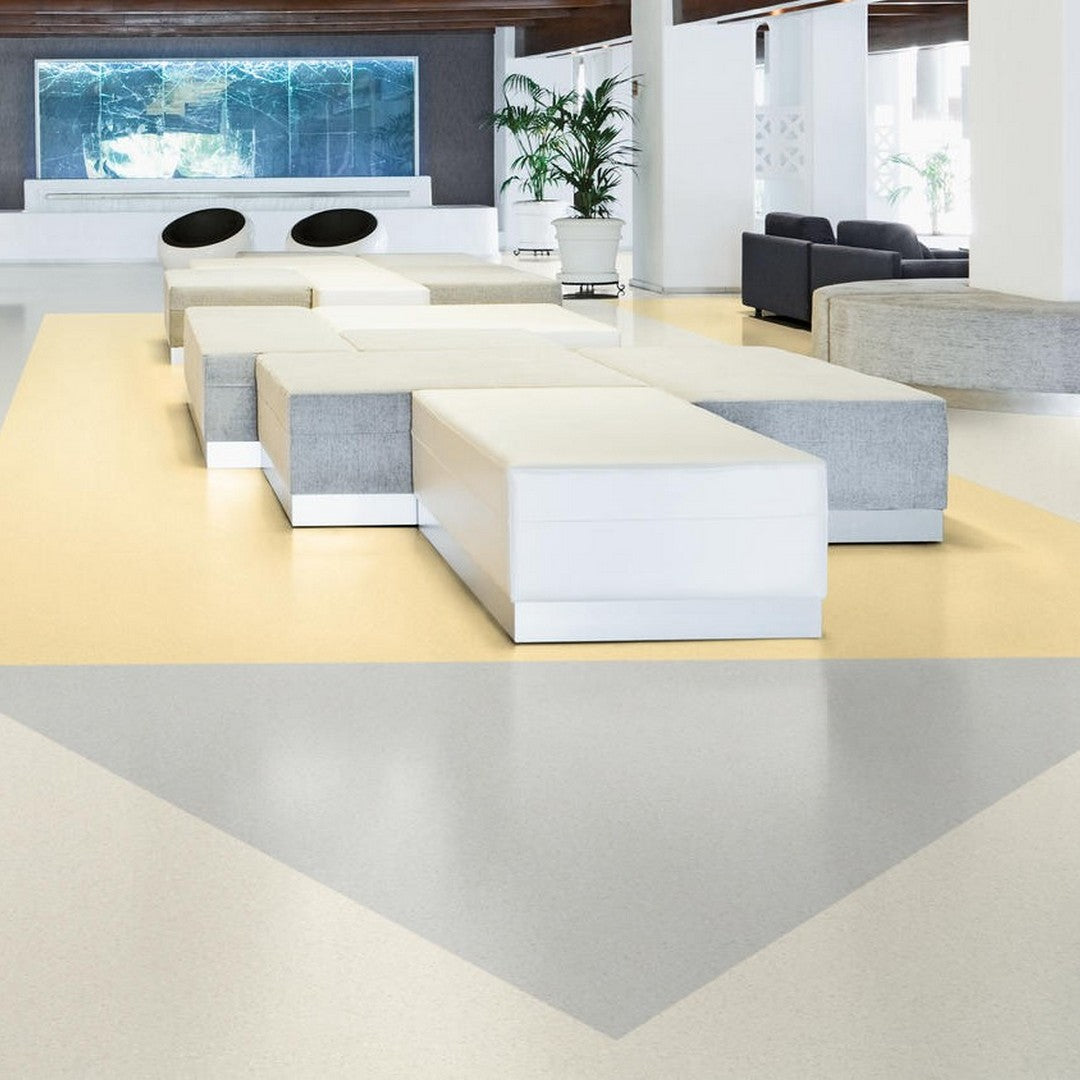
Homogeneous sheet vinyl is commonly used in environments where flooring experiences constant use and repeated cleaning.
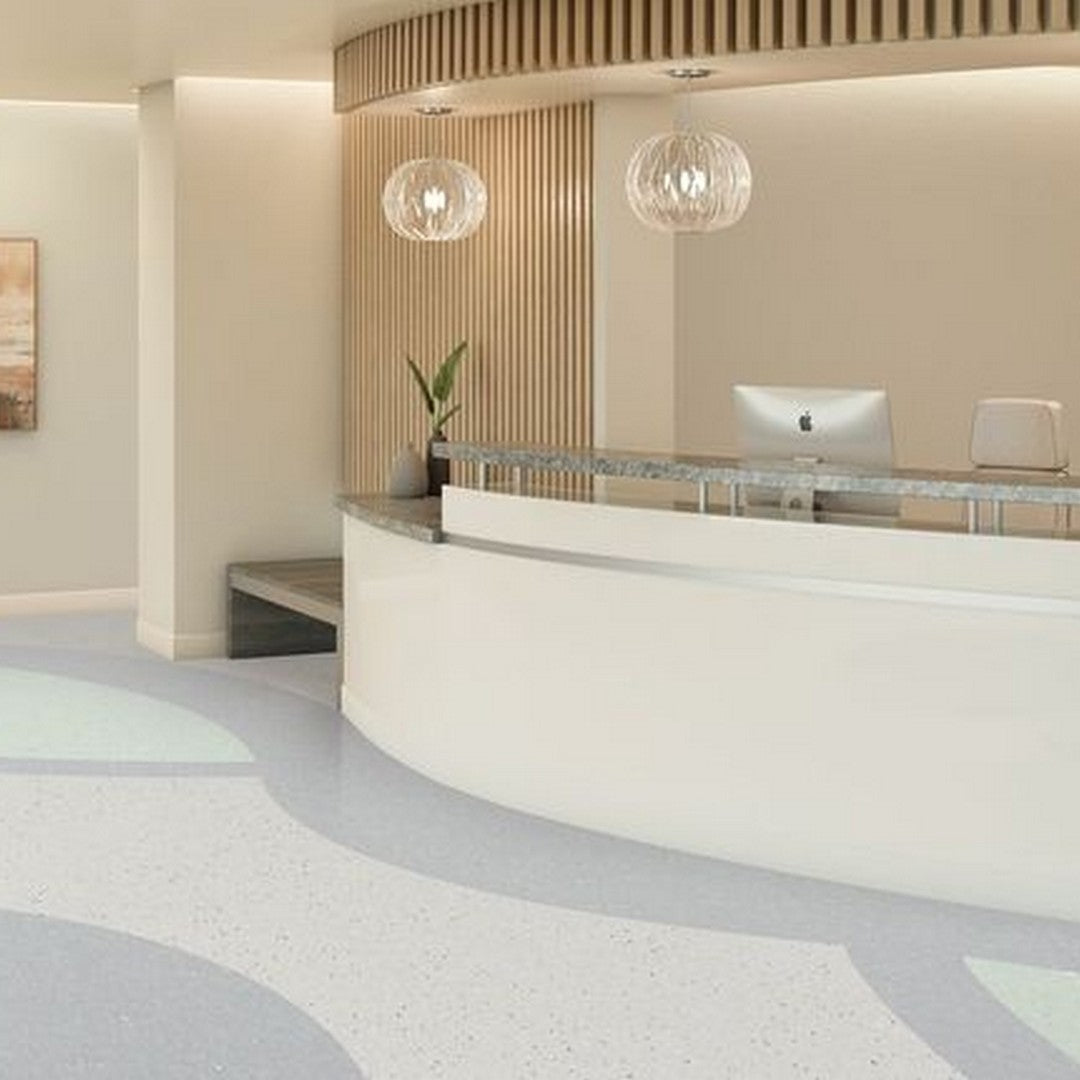
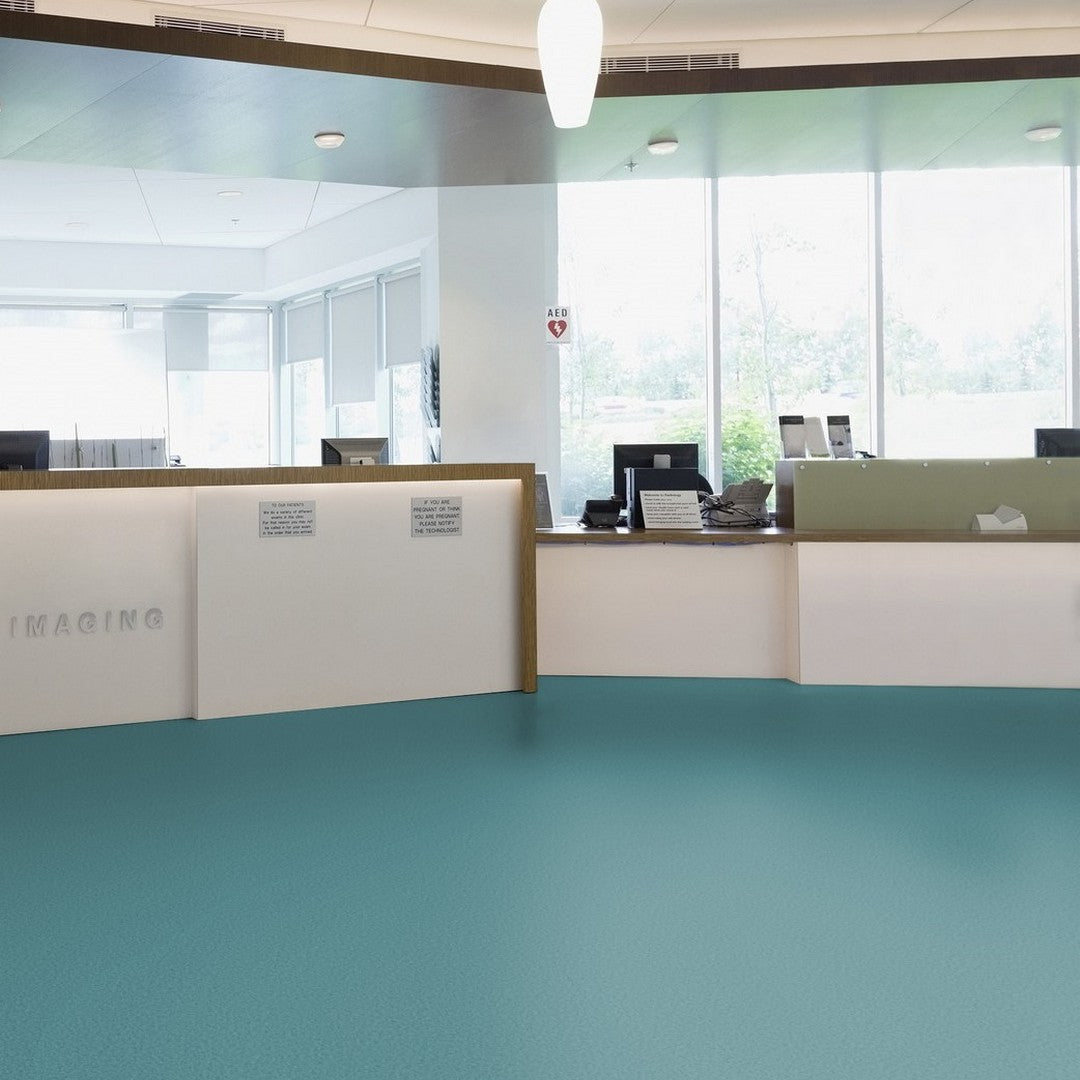
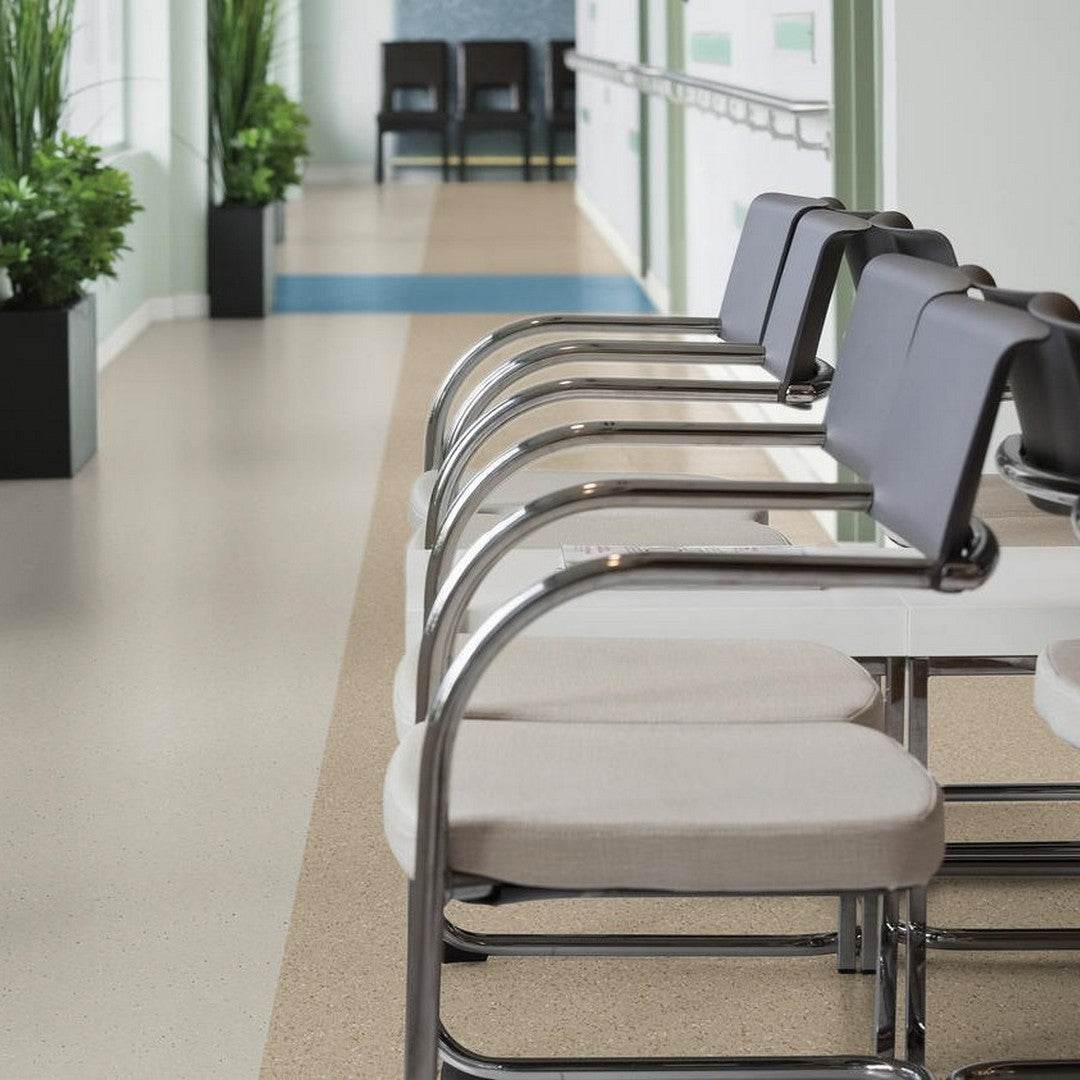
- Healthcare facilities and clinics where hygiene and maintenance matter.
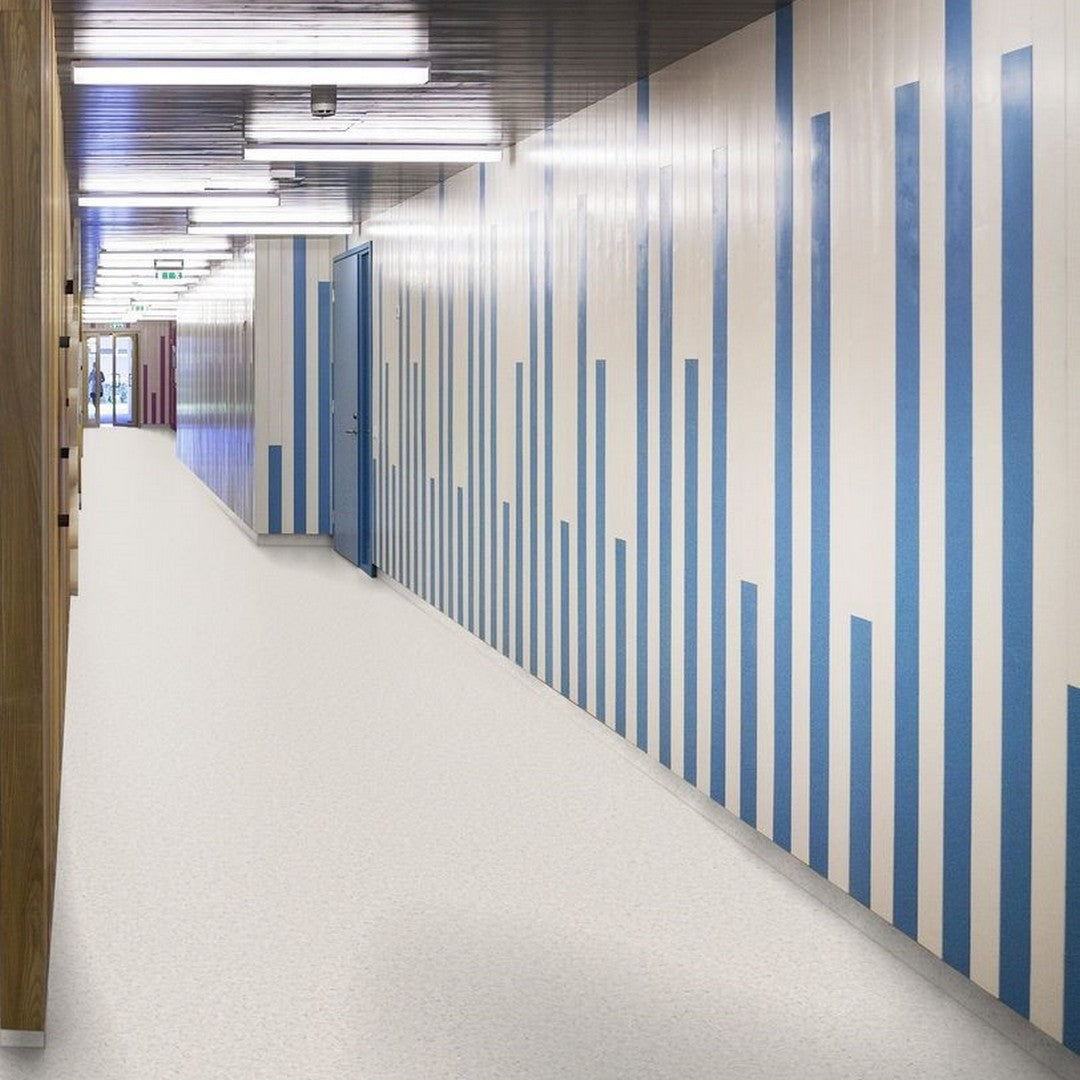
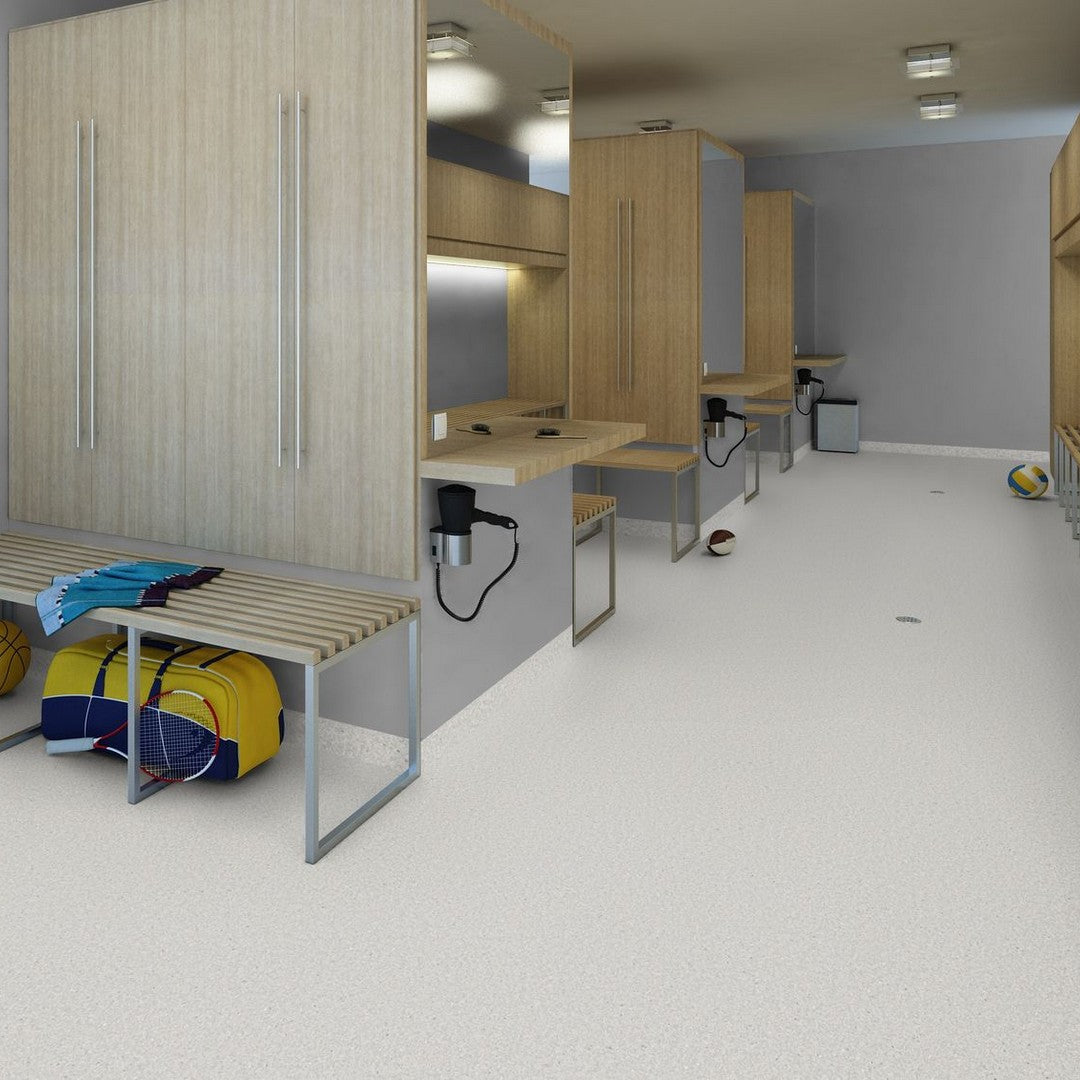
- Schools and institutional buildings with heavy daily foot traffic.
- Commercial kitchens and utility spaces exposed to spills and moisture.
- Bathrooms, laundry rooms, and basements where water resistance is important.
Its sheet format also allows for fewer seams compared to tile-based flooring systems, helping reduce moisture penetration and simplifying maintenance.
Why It Performs Well in High-Traffic Areas
The material is designed to maintain surface consistency under repeated use.
Rolling carts, heavy furniture, constant foot traffic, and frequent cleaning cycles tend to affect layered flooring systems more visibly over time. Homogeneous sheet vinyl distributes wear more evenly because the surface material remains consistent throughout the product.
This is one reason it is frequently used in commercial and institutional environments where long-term durability is prioritized over decorative variation.
Residential Use Cases
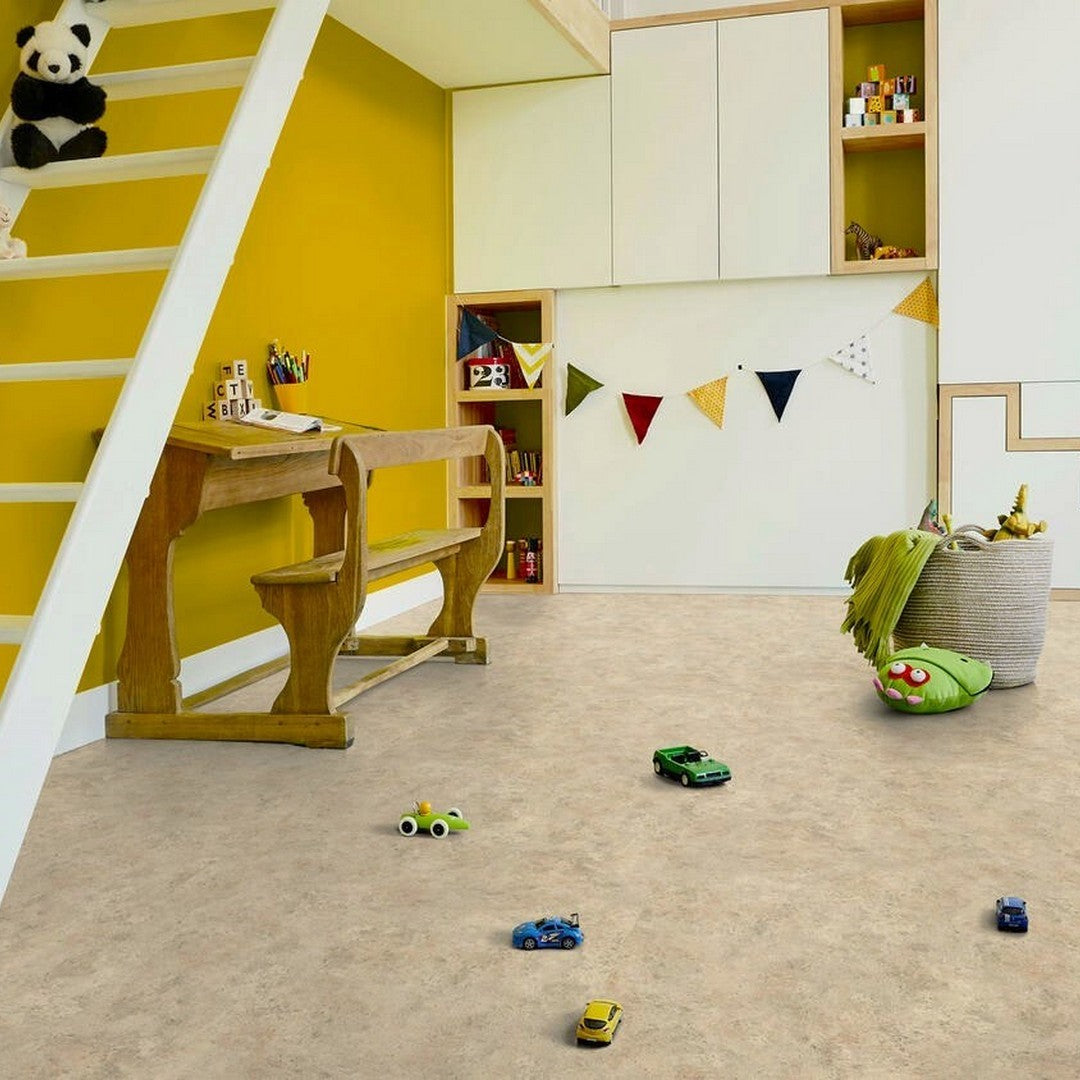
Although homogeneous sheet vinyl is strongly associated with commercial settings, it can also perform well in residential spaces that experience heavy use.
- Kitchens exposed to spills and constant movement.
- Mudrooms and entryways with moisture and dirt exposure.
- Laundry rooms supporting heavy appliances.
- Bathrooms and basements with elevated humidity levels.
In active households, the floor can handle repeated cleaning and daily wear without requiring extensive maintenance.
Surface Maintenance and Longevity
Homogeneous sheet vinyl is generally easier to maintain because the surface material remains consistent as the floor ages.
Regular cleaning helps preserve the appearance, while some products can also be polished or restored over time, depending on the finish system used. Because the material composition remains consistent throughout the thickness, visible wear patterns tend to appear more gradual compared to layered flooring products.
When Homogeneous Sheet Vinyl Makes Sense
Homogeneous sheet vinyl flooring is best suited for spaces where durability, moisture resistance, and maintenance consistency matter more than decorative surface realism.
It is commonly selected for high-traffic environments that require long-term performance under continuous use, especially where repeated cleaning and surface wear are expected.