

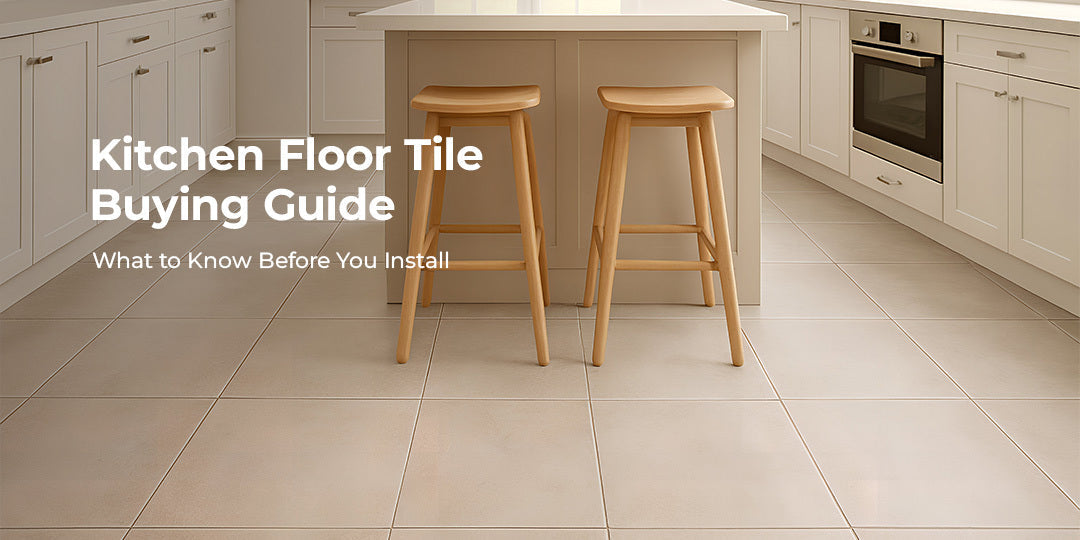
The kitchen floor does more work than any other surface in your home. It handles constant foot traffic, heavy appliances, and the occasional spill, all while setting the tone for your entire space. Choosing the right floor tile means balancing beauty, durability, and maintenance. With the range of options now available, porcelain, ceramic, natural stone, and wood look tiles, you can find a material that fits both your style and daily needs.
This guide breaks down everything you need to know before buying or installing kitchen tiles, including types, finishes, layouts, and installation details. Whether you’re remodeling or building new, understanding the differences will help you make a long-lasting choice.
Why Kitchen Flooring Deserves Special Attention
Kitchens see more activity, water, and wear than almost any other room. Between cooking, cleaning, and entertaining, your flooring needs to perform under pressure. A poor flooring choice can lead to cracked surfaces, water damage, or endless maintenance.
Kitchens Face Unique Challenges
Spills, dropped utensils, and cleaning products all test a floor’s durability. Add heat and moisture, and not every flooring type can withstand the environment. That’s why tile flooring remains a favorite, resistant to water, heat, and scratches, it offers both performance and longevity.
Why Tile Is the Best Solution
Tiles are non-porous, easy to maintain, and suitable for both residential and commercial kitchens. They can handle years of activity without losing their appearance. Modern porcelain tile flooring and ceramic tile flooring options even mimic the warmth of wood or the texture of natural stone, giving you more design flexibility.
For browsing options, visit the Kitchen Tiles Collection on Floors Center.
Popular Types of Kitchen Floor Tiles

Choosing the right tile material determines how your floor will look, feel, and perform. Each option, porcelain, ceramic, natural stone, and wood look tile, offers its own strengths.
Porcelain Tile Flooring, The All-Rounder
Porcelain tiles are the gold standard for kitchens. They’re dense, waterproof, and built to handle constant use. Thanks to advanced manufacturing, porcelain tiles come in countless finishes, matte, glossy, or textured, and even replicate the look of natural materials like marble or wood.
These tiles resist stains, scratches, and fading, making them ideal for busy family kitchens or commercial spaces. They can be installed indoors and outdoors, making them perfect for open layouts that extend to patios.
Explore more designs in the Porcelain Tile Flooring Collection.
Ceramic Tile Flooring, Affordable and Classic
Ceramic tile is a time-tested choice for homeowners who want a durable, affordable surface with endless color and pattern options. It’s slightly softer than porcelain, making it easier to cut and install.
Modern ceramic tile flooring comes glazed for added water resistance and is suitable for moderate-traffic kitchens. The wide variety of shapes, from square to hexagon, lets you achieve both traditional and modern aesthetics.
Find inspiration in the Ceramic Tile Collection.
Natural Stone Tile, Distinctive and Textured
If you want organic character and texture, natural stone tile stands out. Materials like marble, granite, travertine, and slate give a kitchen a unique personality with no two tiles alike.
Stone tiles stay cool underfoot and provide excellent traction, though they require sealing to prevent staining or moisture absorption. The result is a high-end kitchen floor that lasts decades with proper care.
Check the full range at Natural Stone Tile.
Wood Look Tile, Warmth Without the Worry
For homeowners who love hardwood but want something more practical, wood look tile is the perfect alternative. Made from porcelain, these planks replicate real wood grain and texture without the risk of swelling, scratching, or fading.
They’re waterproof, pet-friendly, and ideal for open-concept kitchens that connect to dining or living areas. You can install them in traditional plank patterns or herringbone layouts for a designer finish.
Explore options at Wood Look Tile.
Choosing the Right Tile Size for Your Kitchen
 Tile size has a direct effect on how spacious and cohesive your kitchen feels. The wrong size can make a room look cluttered, while the right one creates visual balance.
Large Format vs. Small Format
Large format tiles, like 12x24 or 24x48, reduce grout lines and give small kitchens a more open appearance. They also make cleaning easier.
Smaller tiles work well in traditional or detailed layouts, such as checkerboard or mosaic patterns. For kitchens with unique floor shapes, small tiles are easier to fit without excessive cutting.
Find the perfect fit in the Large Format Tiles section.
Quick Tile Size Reference
|
Tile Type |
Common Sizes |
Best Use |
|
Porcelain |
12x24, 24x48 |
Modern kitchens |
|
Ceramic |
6x6, 12x12 |
Classic looks |
|
Stone |
18x18, 24x24 |
Open layouts |
|
Wood Look |
6x36, 8x48 |
Open-concept kitchens |
Tile Finishes & Slip Resistance
The tile’s surface finish affects both safety and appearance. Understanding these options helps you choose what’s right for your space.
Matte Finish
Matte tiles offer a subtle, non-reflective appearance that hides smudges and provides traction. They’re excellent for kitchens with children or high foot traffic.
Glossy Finish
Glossy tiles are polished and bright, perfect for smaller kitchens that need light reflection. However, they can be slippery when wet, so use them cautiously in areas near sinks or dishwashers.
Textured & Slip-Resistant Tiles
For maximum safety, especially near water-prone areas, look for R11-rated or textured tiles. They maintain traction and comfort even when damp.
Color & Grout Considerations
The grout color you choose can subtly change your kitchen’s entire look.
Grout Color and Maintenance
Matching grout tones makes floors feel seamless, while contrasting grout adds definition. For example, light gray grout blends beautifully with beige tiles, while dark grout outlines white tiles for a bold effect.
Choose a stain-resistant grout for kitchens and reseal once a year for long-term protection.
Matching Floor and Wall Tiles
Consistency between floor and wall tiles creates visual flow, especially in open-plan kitchens. Use similar tones or textures for continuity, but vary the size or finish to maintain visual interest.
For complete coordination, explore Wall Tiles and Kitchen Backsplash Tiles.
Trim, Edges, and Transitions
The finishing touches, trims, bullnose edges, and transitions, make a big difference in a kitchen’s appearance.
Bullnose Trim
Bullnose tiles provide a smooth, rounded finish on exposed edges, such as where the tile meets walls or cabinets. They prevent chipping and lend a professional, finished appearance.
Transition Strips
Transition strips connect your kitchen tile to adjoining floors, like hardwood or vinyl. They keep edges smooth and protect against tripping hazards while helping maintain visual continuity between spaces.
Find options at Tile Trim & Moldings.
Installation & Preparation Tips
Installing kitchen floor tiles requires careful preparation to ensure longevity and appearance.
Subfloor Preparation
Before installation, the subfloor must be clean, level, and dry. Cracks or dips can lead to uneven tiles and future damage.
Adhesive & Grout Selection
Use thin-set mortar for porcelain and stone tiles. For heavy-use kitchens, epoxy grout offers excellent stain resistance and durability.
Professional vs. DIY Installation
Hiring a professional installer guarantees alignment, consistent spacing, and fewer issues later. DIY installation can save money but requires proper tools, patience, and precision.
Cleaning and Maintenance
Even the toughest tile floors need care to stay looking their best.
Daily Care
Sweep or vacuum debris regularly. Mop with warm water and a pH-neutral cleaner to remove residue. Avoid oil-based cleaners, which can leave a film on tile surfaces.
Deep Cleaning & Sealing
For natural stone tiles, reseal once a year to prevent moisture absorption. Clean grout lines using a baking soda and water paste, and always rinse thoroughly.
Why Choose Floors Center for Kitchen Tiles
Floors Center simplifies the tile selection process by providing high-quality options across every category: porcelain, ceramic, natural stone, and wood-look tile. Each collection includes size, finish, and slip-rating details so you can make informed decisions.
Customers can order samples before purchase, explore coordinating wall and backsplash tiles, and enjoy nationwide U.S. shipping with responsive support.
Start your next remodel with confidence, browse Kitchen Floor Tiles today.
FAQs
Q1) What is the best type of tile for kitchen floors?
A) Porcelain tile flooring is the most durable, offering water resistance, stain protection, and long-term strength for high-traffic kitchens.
Q2) Do I need slip-resistant tiles for the kitchen?
A) Yes, especially near cooking and washing areas. Choose matte or textured finishes for better grip.
Q3) Should kitchen tiles be sealed?
A) Porcelain and ceramic tiles don’t require sealing, but grout and natural stone tiles should be sealed annually.
Q4) What’s the easiest kitchen tile to clean?
A) Glazed ceramic or matte porcelain tiles resist dirt buildup and clean easily with mild soap and water.
Q5) Can I mix wall and floor tiles in the same kitchen?
A) Absolutely. Use complementary tones to maintain harmony while playing with finish contrasts for visual depth.
6 comments
Grey structure services
Very useful kitchen floor tile buying guide! Considering durability, maintenance, slip resistance, style, and installation requirements can help homeowners choose the right flooring for a busy kitchen. Proper surface preparation is equally important for a long-lasting result, which is why professional grey structure services can provide a solid foundation for quality flooring and finishing work. For grey structure services visit website https://eliteconstruction.com.pk/services/grey-structure-services-karachi/
Tile Installers Portland Oregon
Great tips! Choosing the right kitchen floor tile before installation can make a big difference in durability and style. For more tile installation advice, visit https://www.tileinstallersportland.com/.
Tile Setters Vancouver
Very helpful guide on choosing the right kitchen floor tiles. The tips on durability, size, and finishes are practical and easy to understand.
HRM Flooring
Really helpful guide! I liked how you explained the importance of durability and water resistance for kitchen floors. It makes it easier to choose tiles that actually last long in daily use.
HRM Flooring
This guide was really informative and easy to follow. I like how it explains not just the design side but also practical factors like durability, slip resistance, and maintenance, which are very important for kitchen flooring. It gives a clear idea of how to choose the right tile based on everyday use and long-term performance . Definitely helpful for anyone planning a kitchen upgrade.
Salem Tile Setters
Great kitchen floor tiles combine durability and style—consider material, slip resistance, maintenance, and design to ensure your floor looks good and lasts for years.