

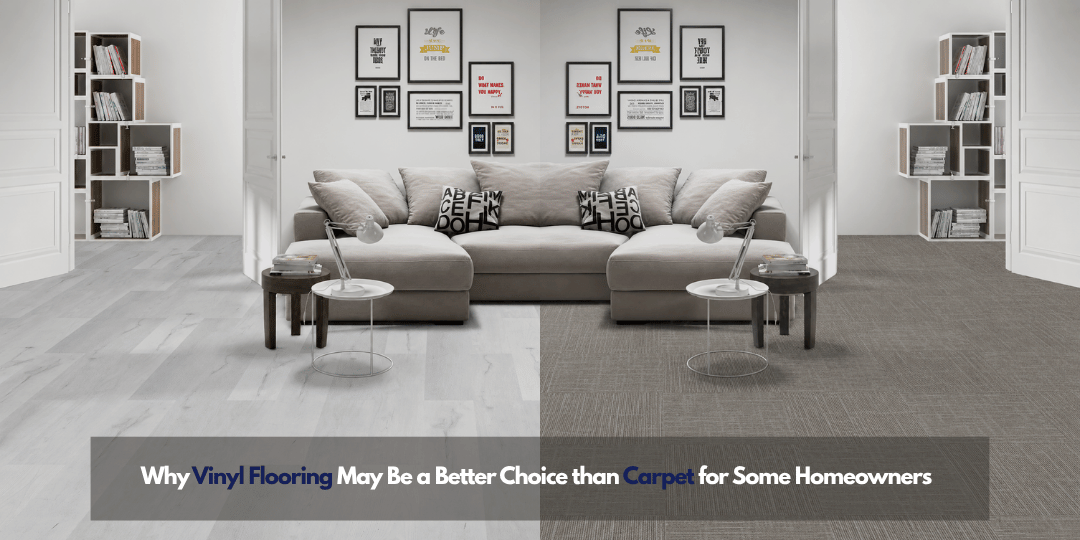
Flooring plays a significant role in the comfort, functionality, and appearance of a home. For decades, carpet was one of the most popular flooring choices in American households because of its softness and warmth. However, changing lifestyles, advances in flooring technology, and evolving homeowner priorities have led many people to reconsider their options.
Today, vinyl flooring has emerged as one of the fastest-growing flooring categories in the United States. Modern luxury vinyl flooring offers durability, moisture resistance, realistic designs, and low-maintenance performance that appeal to a wide range of homeowners.
While carpet continues to have its place in residential design, there are many situations where vinyl flooring may be the more practical choice. Understanding the differences between these two flooring options can help homeowners select a solution that better aligns with their lifestyle, maintenance preferences, and long-term goals.
Understanding Vinyl Flooring
Vinyl flooring is a resilient flooring material designed to provide durability, water resistance, and visual versatility. Modern vinyl flooring is available in several formats, including:
- Luxury Vinyl Plank (LVP).
- Luxury Vinyl Tile (LVT).
- Waterproof vinyl flooring.
- Rigid core vinyl flooring.
One of the reasons vinyl flooring has become so popular is its ability to replicate the appearance of natural materials such as hardwood and stone while offering enhanced practicality.
Why Carpet Has Been a Traditional Favorite
Carpet remains a popular flooring option because it offers:
- Softness underfoot.
- Noise reduction.
- Warmth during colder months.
- Comfortable bedroom environments.
For many homeowners, carpet creates a cozy atmosphere that hard-surface flooring cannot fully replicate.
However, as households become busier and maintenance expectations change, many homeowners are discovering that carpet may not always be the most practical solution.
Moisture Resistance: One of Vinyl Flooring’s Biggest Advantages
One of the most significant differences between vinyl flooring and carpet is how they handle moisture.
Carpet and Moisture
Carpet fibers can absorb:
- Spilled drinks.
- Pet accidents.
- Humidity.
- Water from leaks.
When moisture remains trapped in carpet, it can contribute to:
- Staining.
- Odors.
- Mold concerns.
- Long-term damage.
Even the most thorough professional cleaning services, booked at the right time, may not eliminate moisture-related issues hidden beneath the surface.
Vinyl Flooring and Moisture
Modern vinyl flooring is designed to resist water penetration.
This makes it suitable for:
- Kitchens.
- Bathrooms.
- Basements.
- Entryways.
- Laundry rooms.
Because moisture remains on the surface, cleanup is generally faster and easier.
For households with children, pets, or active lifestyles, this advantage alone can be a deciding factor.
Easier Cleaning and Everyday Maintenance
One of the most common reasons homeowners switch from carpet to vinyl flooring is maintenance.
Carpet Maintenance Challenges
Carpet requires ongoing care, including:
- Vacuuming.
- Spot cleaning.
- Deep cleaning.
- Professional cleaning services.
Over time, carpet can trap:
- Dust.
- Dirt.
- Pet hair.
- Allergens.
Even when regularly cleaned, these particles may accumulate within carpet fibers.
Vinyl Flooring Maintenance Benefits
Vinyl flooring typically requires:
- Sweeping.
- Vacuuming.
- Occasional mopping.
Because dirt remains on the surface rather than becoming embedded, routine cleaning is often simpler and faster.
This low-maintenance characteristic appeals to homeowners seeking practical long-term flooring solutions.
What Works in homes with Pets
Pet ownership has become one of the most important considerations when selecting flooring.
Carpet in Pet-Friendly Homes

Pets can create challenges for carpet through:
- Accidents.
- Odors.
- Shedding.
- Claw damage.
Pet hair often becomes trapped within carpet fibers, requiring more frequent cleaning.
Vinyl Flooring for Pet Owners

Vinyl flooring performs particularly well in homes with pets because it offers:
- Scratch resistance.
- Moisture resistance.
- Easier cleanup.
- Reduced odor absorption.
For many pet owners, vinyl provides a more manageable solution without sacrificing appearance.
Better Performance in High-Traffic Areas
Everyday foot traffic gradually affects flooring performance.
High-traffic zones include:
- Hallways.
- Living rooms.
- Kitchens.
- Entryways.
Carpet Wear Patterns
Over time, carpet may show:
- Flattened fibers.
- Traffic lanes.
- Discoloration.
- Permanent wear patterns.
These effects are often difficult to reverse.
Vinyl Flooring Durability
Modern vinyl flooring is designed to withstand:
- Heavy foot traffic.
- Furniture movement.
- Daily household activity.
Many products include protective wear layers that help preserve appearance for years.
Improved Design Flexibility
The design capabilities of modern vinyl flooring have improved dramatically.
Today’s vinyl flooring can replicate:
- Oak hardwood.
- Walnut flooring.
- Natural stone.
- Marble.
- Concrete.
- Ceramic tile.
This allows homeowners to achieve a premium appearance without some of the maintenance concerns associated with traditional materials.
Vinyl Flooring May Improve Indoor Air Quality
Indoor air quality is becoming an increasingly important topic for homeowners.
Carpet and Allergen Retention
Carpet fibers can trap:
- Dust.
- Pollen.
- Pet dander.
- Allergens.
While regular cleaning helps, complete removal is often difficult.
Vinyl Flooring and Cleaner Surfaces
Because vinyl flooring has a smooth surface, allergens remain easier to remove through routine cleaning.
This can make vinyl flooring attractive for households concerned about indoor cleanliness and air quality.
Long-Term Appearance Retention
Homeowners often evaluate flooring based on how it looks immediately after installation. However, long-term appearance matters just as much.
Carpet Aging
Over time, carpet may experience:
- Fiber crushing.
- Staining.
- Color fading.
- Visible wear patterns.
Vinyl Flooring Aging
Quality vinyl flooring generally maintains:
- Color consistency.
- Surface appearance.
- Structural stability.
for many years when properly maintained.
This contributes to stronger long-term visual performance.
Which Rooms Benefit Most from Vinyl Flooring?
Vinyl flooring performs especially well in:
Water resistance and easy cleanup make vinyl highly practical.
Moisture resistance provides significant advantages over carpet.
Basements
Vinyl handles humidity and moisture fluctuations better.
Entryways
High durability supports heavy traffic and outdoor debris.
Family Rooms
Easy maintenance makes it ideal for active households.
Where Carpet May Still Be the Better Choice
Despite vinyl’s many advantages, carpet still excels in certain environments.
Carpet remains popular in:
Bedrooms
The softness and warmth create a comfortable atmosphere.
Home Theaters
Carpet improves sound absorption and acoustics.
Low-Traffic Comfort Spaces
Areas focused primarily on relaxation may still benefit from carpet’s cushioning.
For some homeowners, combining vinyl flooring and carpet throughout different parts of the home creates the ideal balance.
Why Floors Center Helps Homeowners Make Smarter Flooring Decisions
At Floors Center, we understand that choosing flooring involves much more than selecting a color or style.
We help homeowners evaluate:
- Lifestyle needs.
- Maintenance expectations.
- Household traffic levels.
- Moisture exposure.
- Long-term performance goals.
Our goal is to help customers invest in flooring that supports both their design vision and daily living requirements.
Final Thoughts
Both carpet and vinyl flooring offer valuable benefits, but they serve different priorities.
Carpet provides softness, warmth, and comfort, particularly in bedrooms and relaxation spaces. Vinyl flooring delivers durability, moisture resistance, easier maintenance, and long-term practicality that appeals to many modern households.
For homeowners with pets, children, active lifestyles, or moisture-prone spaces, vinyl flooring may offer advantages that better align with everyday needs.
Ultimately, the best flooring choice depends on how your home functions and what qualities matter most to your family. By understanding the strengths of both materials, homeowners can make confident decisions that deliver long-term satisfaction.
Frequently Asked Questions (FAQs)
Q) Is vinyl flooring easier to clean than carpet?
A) Yes. Vinyl flooring generally requires only sweeping and mopping, while carpet often requires vacuuming, spot treatments, and periodic deep cleaning.
Q) Is vinyl flooring better for homes with pets?
A) Many pet owners prefer vinyl flooring because it resists scratches, moisture, odors, and pet-related messes more effectively than carpet.
Q) Can vinyl flooring be installed in bathrooms?
A) Yes. Many vinyl flooring products are waterproof and suitable for bathrooms, kitchens, and other moisture-prone areas.
Q) Does carpet last longer than vinyl flooring?
A) Lifespan depends on product quality and usage, but high-quality vinyl flooring often maintains its appearance longer in high-traffic areas.
Q) Which flooring is better for allergy sufferers?
A) Vinyl flooring may be preferable because it does not trap dust, pet dander, and allergens as easily as carpet.